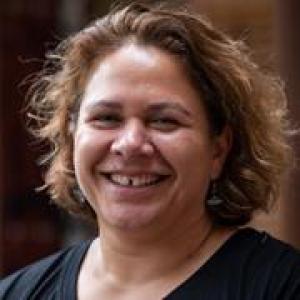
 Professor Tracey McIntosh
" loading="lazy" decoding="async">
Professor Tracey McIntosh
" loading="lazy" decoding="async">
Tracey McIntosh (Ngāi Tūhoe) is Professor of Indigenous Studies and Co-Head of Te Wānanga o Waipapa at the University of Auckland. She previously taught in the sociology and criminology programme at the University of Auckland. Tracey brings a high level of experience to her roles in international work, community development, student equity and in her wider contributions to the academic community. Tracey has lectured at the University of the South Pacific in Fiji, was a Fulbright Visiting Lecturer in New Zealand Studies at Georgetown University in Washington D.C. in 2004, and has served on Fulbright selection panels and as a Fulbright student advisor since then.
Tracey's recent research focuses on incarceration (particularly of indigenous peoples), inequality, poverty and justice. She also sits on a number of external research assessment panels including the Marsden Fund Social Science Panel, the Rutherford Discovery Humanities and Social Science Panel and on the FoRST Te Tipu o te Wānanga Māori Research Investment Panel. In 2012 she was the co-chair of the Children’s Commissioner’s Expert Advisory Group on Solutions to Child Poverty. She sits on a number of boards particularly in the area of social harm reduction including the Robson Hanan Trust: Rethinking Crime and Punishment and Te Waka Moemoea: Being the Change Trust.
Rangahau · Related projects
This kaupapa Māori project addresses one of the most devastating impacts of colonisation in Aotearoa – the forced institutionalisation of Māori children between 1950–1999. Drawing on the Abuse in Care Royal Commission of Inquiry and leveraging large-scale data sets like the IDI, this study developed innovative methodologies to trace historical trauma and…
View projectDeveloping methodological approaches to tracking historical trauma
This kaupapa Māori project addresses one of the most devastating impacts of colonisation in Aotearoa – the forced institutionalisation of Māori children between 1950–1999. Drawing on the Abuse in Care Royal Commission of Inquiry and leveraging large-scale data sets like the IDI, this study developed innovative methodologies to trace historical trauma and its intergenerational effects. Without burdening affected whānau through direct contact, the research seeks to highlight systemic harm, measure outcomes such as reduced life expectancy, and support future tools of justice, healing, and whānau empowerment.
Kairangahau · Researchers
-
 Dr Emerald Muriwai
Dr Emerald Muriwai
Emerald Muriwai (Ngāti Ira, Ngai Tamahaua, Ngāti Patumoana, Te Whakatōhea, Airihi) is a Clinical Psychologist with a background in kaupapa Māori research, public health, indigenous psychology and sport psychology.She is a Clinical Psychologist at Te Whatu Ora Te Toka Tumai Auckland in Adult Mental Health. She also serves as co-chair on the Executive Governance Board for Ngā Pou Mana Tangata Whenua Allied Health, which was established to provide a forum for Māori allied health professionals to discuss Māori allied health issues within and between professions. Emerald is also a certified Les… -
 Professor Tracey McIntosh
Professor Tracey McIntosh
Tracey McIntosh (Ngāi Tūhoe) is Professor of Indigenous Studies and Co-Head of Te Wānanga o Waipapa at the University of Auckland. She previously taught in the sociology and criminology programme at the University of Auckland. Tracey brings a high level of experience to her roles in international work, community development, student equity and in her wider contributions to the academic community. Tracey has lectured at the University of the South Pacific in Fiji, was a Fulbright Visiting Lecturer in New Zealand Studies at Georgetown University in Washington D.C. in 2004, and has served on… -
 Associate Professor Lara Greaves

Associate Professor Lara Greaves
Associate Professor Lara Greaves (Ngāpuhi, Pākehā, Tararā) is an associate professor in politics at Victoria University of Wellington and a senior research fellow in statistics at the University of Auckland.She is a Royal Society of New Zealand Rutherford Discovery Fellow (2024-2029), investigating improvements to democracy and participation in New Zealand, particularly focusing on Māori and intersectionality.With colleague Dr Rituparna Roy, she co-leads a work package or EU-CIEMBLY, funded by Horizon Europe. The project seeks to make citizens' assemblies more inclusive, also focusing on… -
Dr Jose Romeo
Dr Jose Romeo
Ētahi atu · Other people
 Dr Jade Le Grice
Ngāi Tupoto, Ngāti Korokoro, Te Pouka, Ngāti Wharara, Te Mahurehure
Waipapa Taumata Rau, University of Auckland
Jade Le Grice (Te Rarawa, Ngāpuhi) is a Senior Lecturer in the School of Psychology at the University of Auckland. Her…
Dr Jade Le Grice
Ngāi Tupoto, Ngāti Korokoro, Te Pouka, Ngāti Wharara, Te Mahurehure
Waipapa Taumata Rau, University of Auckland
Jade Le Grice (Te Rarawa, Ngāpuhi) is a Senior Lecturer in the School of Psychology at the University of Auckland. Her…
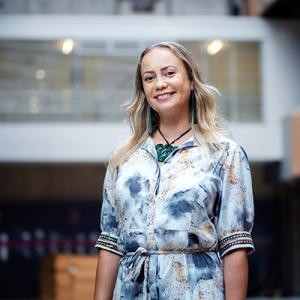
Dr Jade Le Grice
 Professor Peter Adds
Te Ātiawa
Te Herenga Waka Victoria University of Wellington
Peter Adds is an Associate Professor at Te Kawa a Maui - the School of Māori Studies at Victoria University of…
Professor Peter Adds
Te Ātiawa
Te Herenga Waka Victoria University of Wellington
Peter Adds is an Associate Professor at Te Kawa a Maui - the School of Māori Studies at Victoria University of…

Professor Peter Adds
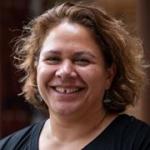 Associate Professor Hiria McRae
Te Arawa, Tūhoe, Ngāti Kahungunu
Te Herenga Waka Victoria University of Wellington
Hiria Mcrae (Te Arawa,Tūhoe,Ngāti Kahungunu) is an Associate Professor in the School of Education and Associate Dean…
Associate Professor Hiria McRae
Te Arawa, Tūhoe, Ngāti Kahungunu
Te Herenga Waka Victoria University of Wellington
Hiria Mcrae (Te Arawa,Tūhoe,Ngāti Kahungunu) is an Associate Professor in the School of Education and Associate Dean…