About this research
Project Summary
Extensive international scholarship demonstrates Indigenous people are particularly and uniquely affected by historical trauma through colonisation. Specific acts of oppression that remain unaddressed often result in the intergenerational transfer of trauma and trauma responses.
In Aotearoa New Zealand, one such act of oppression was the forced removal of Māori children from their families to be placed in a range of state and church managed institutions often for spurious reasons. A recent Royal Commission of Inquiry was undertaken to investigate what happened to children, young people and vulnerable adults in State and faith-based care in Aotearoa New Zealand between the years 1950-99.
This project sought to develop appropriate Kaupapa Māori methodological approaches to track those affected by this specific act of historical trauma, any compound effects on the survivors and any intergenerational effects. The research explored utilisation of existing statistical and other data sets, such as the IDI (Integrated Data Infrastructure) to highlight the trauma responses (and resiliency factors) of those who experienced abuse in care and any traceable intergenerational transmission of trauma to subsequent generations.
Research Questions
- What might Kaupapa Māori methodology reveal about examining real time effects of historical trauma for Māori abused in state and faith-based care during 1950-1999 and their descendants?
- What effects can already be ascertained using current data sets without burdening affected whānau?
- What opportunities exist for whānau to affect their own stories and whānau narratives with available data sources?
Lead Researcher
Dr Belinda Borell, Ngāti Ranginui, Ngāi Te Rangi, Te Whakatōhea, Massey University
Research Team
Dr Emerald Muriwai, Ngāti Ira, Ngāi Tamahaua, Ngāti Patumoana, Te Whakatōhea & Airihi, Auckland DHB
Professor Tracey McIntosh, Tūhoe, University of Auckland
Assoc Prof Lara Greaves, Ngāpuhi, Victoria University of Wellington
Dr Jose Romeo, Massey University
Highlights
- Groundbreaking use of IDI to trace trauma-related health and mortality outcomes
- Showed stark inequalities in life expectancy and death causes for care cohort
- Built a kaupapa Māori methodological model for historical trauma analysis
- Demonstrated the utility of big data in driving Indigenous justice narratives
Select Outputs
Borell, B., & Romeo, J. (2024, November 12). Beyond the “intellectual conversation”: What the IDI can reveal about Māori in state care. International Indigenous Research Conference, Auckland
Borell, B., & Romeo, J. (2025, February 5). 24 years of life lost: People placed in state care have died earlier, more violent deaths – new study. The Conversation.
👉 Read article
This kaupapa Māori project addresses one of the most devastating impacts of colonisation in Aotearoa – the forced institutionalisation of Māori children between 1950–1999. Drawing on the Abuse in Care Royal Commission of Inquiry and leveraging large-scale data sets like the IDI, this study developed innovative methodologies to trace historical trauma and its intergenerational effects. Without burdening affected whānau through direct contact, the research seeks to highlight systemic harm, measure outcomes such as reduced life expectancy, and support future tools of justice, healing, and whānau empowerment.
Kairangahau · Researchers
 Professor Tracey McIntosh
Tūhoe
Ngā Pae o te Māramatanga / University of Auckland
Tracey McIntosh (Ngāi Tūhoe) is Professor of Indigenous Studies and Co-Head of Te Wānanga o Waipapa at the University…
Professor Tracey McIntosh
Tūhoe
Ngā Pae o te Māramatanga / University of Auckland
Tracey McIntosh (Ngāi Tūhoe) is Professor of Indigenous Studies and Co-Head of Te Wānanga o Waipapa at the University…
Professor Tracey McIntosh
 Associate Professor Lara Greaves
Ngā Puhi
Te Herenga Waka Victoria University of Wellington
Lara Greaves (Ngāpuhi, Pākehā, Tararā) is an associate professor in politics at Victoria University of Wellington and a…
Associate Professor Lara Greaves
Ngā Puhi
Te Herenga Waka Victoria University of Wellington
Lara Greaves (Ngāpuhi, Pākehā, Tararā) is an associate professor in politics at Victoria University of Wellington and a…
Associate Professor Lara Greaves
Ētahi atu · Other projects
Māori doctoral scholars often face significant challenges in universities dominated by Western academic traditions. These environments can clash with Māori cultural values and needs, reflecting colonial legacies that marginalise Indigenous knowledge and methodologies. To address these challenges, the Te Kupenga o MAI (MAI) programme was created in the late…
View projectTahatū-o-te-rangi: a study of the experiences and contributions of MAI Te Kupenga PhD scholars
Māori doctoral scholars often face significant challenges in universities dominated by Western academic traditions. These environments can clash with Māori cultural values and needs, reflecting colonial legacies that marginalise Indigenous knowledge and methodologies. To address these challenges, the Te Kupenga o MAI (MAI) programme was created in the late 1990s by Professor Graham Smith. This initiative supports Māori and Indigenous PhD students across Aotearoa New Zealand, providing mentorship, resources, and community connections grounded in Māori cultural values. MAI helps reduce isolation and creates culturally safe spaces for Māori scholars to succeed academically while maintaining their cultural identity.
This research focuses on understanding the long-term impact of the MAI programme by examining the experiences of recent Māori PhD graduates. It aims to explore their motivations, challenges, and the role MAI played in supporting them, as well as their career pathways and contributions to their communities after completing their studies. The findings will inform future efforts to support Māori doctoral scholars, ensuring they thrive in academia and contribute meaningfully to their whānau, hapū, iwi, and society.
Kairangahau · Researchers
-
 Associate Professor Deborah Heke
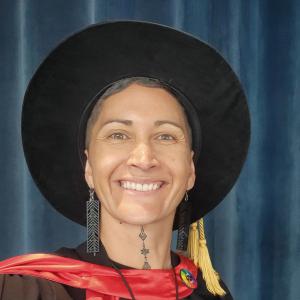
Associate Professor Deborah Heke
Associate Professor Deborah Heke (Ngā Puhi, Te Arawa) is the Director of Ngā Wai a Te Tūī Māori and Indigenous Research Centre at Unitec. With a background in Exercise Physiology, Psychology, and Public Health, her current research centres on Mana Wahine scholarship. Recent work includes an exploration of Māori and Indigenous women’s embodied practices and physical activity in te taiao as a means for connecting, communicating, and healing. Deborah is also passionate about building the capability and capacity of Māori and Indigenous (future) scholars and providing spaces for Indigenous… -
 Associate Professor Hinekura Smith
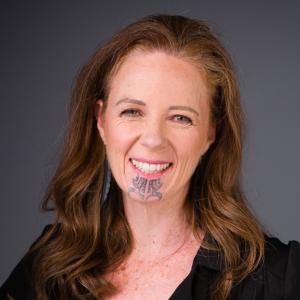
Associate Professor Hinekura Smith
Dr Hinekura Smith (Te Rarawa, Ngāpuhi) is NPM's Emerging Researchers’ Leader, providing further national leadership and coordination of MAI Te Kupenga and developing and nurturing initiatives that contribute to the outcomes and objectives of NPM’s Capability and Capacity Strategy.Hinekura was initially a secondary school te reo Māori teacher then moved into teacher education research almost 10 years ago, when she commenced her postgraduate studies. She has worked as a professional development facilitator in Māori medium schools, te reo Māori facilitator in English-medium schools and a… -
 Dr Tim West-Newman
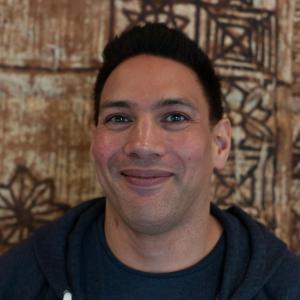
Dr Tim West-Newman
Tim West-Newman develops and implements technical business solutions including websites for Ngā Pae o te Māramatanga. Tim has a PhD in Human Computer Interaction and has worked mainly in web and information technology systems development, having worked in The University of Auckland and AUT University, as well as an independent contractor for various organisations. -
Associate Professor Lara Greaves
Associate Professor Lara Greaves
Lara Greaves (Ngāpuhi, Pākehā, Tararā) is an associate professor in politics at Victoria University of Wellington and a senior research fellow in statistics at the University of Auckland. She is a Royal Society of New Zealand Rutherford Discovery Fellow (2024-2029), investigating improvements to democracy and participation in New Zealand, particularly focusing on Māori and intersectionality. With colleague Dr Rituparna Roy, she co-leads a work package or EU-CIEMBLY, funded by Horizon Europe. The project seeks to make citizens' assemblies more inclusive, also focusing on intersectionality. She…
PhD Candidate: Jennifer Tokomauri McGregor (Ngati Raukawa (Waikato)) Primary Supervisor(s): Dr. Alayne Mikahere-Hall Background: Despite being a long-term government priority, the inequity of Māori nurses in the health workforce is long-standing, suggesting that that recruitment and retention of Māori into the nursing workforce is problematic. Māori nurses…
View projectKawa Whakaruruhau: Culturally-safe spaces for Māori nurse practice development
Kairangahau · Researchers
-
Dr Alayne Mikahere-Hall
Dr Alayne Mikahere-Hall
This research programme dives beneath the surface to expose how efforts to address racism in Aotearoa can be symbolic, sidelining Māori worldviews and limiting true transformation. Led through a kaupapa Māori lens, this programme challenges narrow, imported definitions of racism and equity, and confronts how dominant systems create and maintain Māori…
View projectResearch to Interrupt Racism and (In)equity (RIRI)
This research programme dives beneath the surface to expose how efforts to address racism in Aotearoa can be symbolic, sidelining Māori worldviews and limiting true transformation.
Led through a kaupapa Māori lens, this programme challenges narrow, imported definitions of racism and equity, and confronts how dominant systems create and maintain Māori ‘vulnerability’. It aims to reframe equity on Māori terms—grounded in rangatiratanga, Indigenous knowledge, and the realities of colonisation.
Kairangahau · Researchers
-
 Associate Professor Donna Cormack
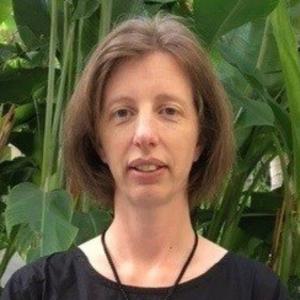
Associate Professor Donna Cormack
Dr Donna Cormack (Kai Tahu, Kāti Māmoe) is an Associate Professor at Te Kupenga Hauora Māori, University of Auckland.Donna is course director for the postgraduate papers MAORIHTH 710 Kaupapa Māori Theory, and MAORIHTH 709 Transformative Research for Māori Health, and co-convenes MAORIHTH711 Kaupapa Māori quantitative research. Donna teaches into other undergraduate and postgraduate papers in the Faculty of Medical and Health Sciences. She is also an active member of Tōmaiora Research Centre within Te Kupenga Hauora Māori. Her research focuses on racism and other forms of oppression… -
 Professor Sarah-Jane Paine
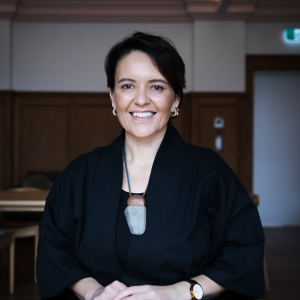
Professor Sarah-Jane Paine
Professor Sarah-Jane Paine (Tūhoe) is a leading Māori health researcher and internationally respected authority on Indigenous child wellbeing. She is Research Director and Principal Investigator of Growing Up in New Zealand, Aotearoa’s flagship longitudinal study of child development, and a Professor at Te Kupenga Hauora Māori, Waipapa Taumata Rau, University of Auckland.Her work in Kaupapa Māori epidemiology has influenced national policy in maternal and child health, racism and child wellbeing, food security, and youth wellbeing. Known for combining scientific rigour with strong community… -
 Professor Papaarangi Reid
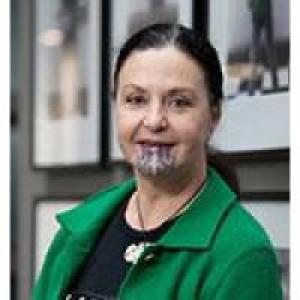
Professor Papaarangi Reid
Papaarangi is Tumuaki and Head of Department of Maori Health at the Faculty of Medical and Health Sciences, University of Auckland, New Zealand. She holds science and medical degrees from the University of Auckland and is a specialist in public health medicine. She has tribal affiliations to Te Rarawa in the Far North of Aotearoa and her research interests include analysing disparities between indigenous and non-indigenous citizens as a means of monitoring government commitment to indigenous rights. -
 Professor Ricci Harris

Professor Ricci Harris
Professor Ricci Harris (Ngāti Kahungunu, Ngāi Tahu, Ngāti Raukawa) is a public health physician and Kaupapa Māori epidemiologist at Te Rōpū Rangahau Hauora a Eru Pōmare.Her research is primarily concerned with upholding Māori rights to health and health equity as ensured by Te Tiriti o Waitangi and in-line with International Indigenous Rights.She draws on Kaupapa Māori Research theory to undertake and develop decolonial approaches to epidemiology that centre Māori and are contextualised within systems of ongoing racism and colonialism. This has included research into the classification of… -
 Dr Arama Rata
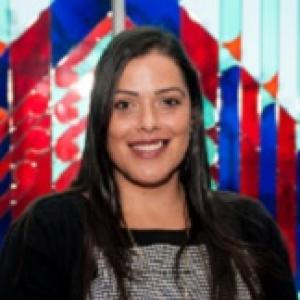
Dr Arama Rata
Arama is of Ngāti Maniapoto, Taranaki, and Ngāruahine descent. She completed her PhD in Psychology at Victoria University of Wellington in 2012, which focused on Māori cultural engagement, identity, and psychological well-being in State secondary schools. Arama then lectured at Te Kawa a Māui (the School of Māori Studies), where she received a Research Establishment Grant to study Māori collective remembering of the New Zealand Wars. Dr Rata is currently involved with research relating to Māori health experiences, Māori in rural communities, as well as iwi consultancy. -
Hana Burgess
Hana Burgess
Hana (Ngäpuhi, Te Roroa, Te Ätihaunui a Päpärangi, Ngäti Tüwharetoa) (she/her) is doing a PhD in Mäori health, with supervision from Donna (Käi Tahu, Käti Mämoe) (she/her) and Papaarangi (Te Rarawa) (she/her)