About this research
How can a pūtaiao ‘living laboratory’ approach that uses local learning environments help rangatahi Māori reclaim science in Te Hiku?
Our aim is to “science-up” Māori communities by exploring the untapped potential of our
local environments as living laboratories for rangatahi Māori so that they become more engaged with science at school and in their lives. The proposal responds to needed improvements in science education outcomes for Te Hiku rangatahi and will inform and contribute to new initiatives to be negotiated with education authorities and environmental strategies that strengthen Māori medium and mainstream science education for rangatahi Maori.
Levels of participation and attainment for rangatahi in science subjects, particularly at secondary school, are low when compared to non-Māori, resulting in low levels of participation in tertiary education and ultimately a dearth of Māori scientists. Our experience shows that rangatahi Māori do not have positive science experiences in schools or experiences of science concepts embedded in matauranga (knowledge) Māori.
Unsupportive learning environments and systems and a lack of learning relevant to student realities are identified as areas for necessary change. Local environments have enormous resource potential to ground rangatahi curiosity, knowledge and learning particularly for science education. In the context of post-settlement and the return of assets, capability and capacity to sustainably develop and manage land and waterways for the benefit of our people, the regional and national economy, is paramount.
We propose to optimise engagement with local environments using a ‘living laboratory’ pūtaiao approach where science concepts already embedded in matauranga Māori, te reo me ona tikanga, are enhanced by Māori pedagogies and grounded in accessible local environments - better alignment of Māori science and conventional science concepts to make education more meaningful for rangatahi. Identifying possible learning interactions within local environments in ways that are relevant to rangatahi is a starting point to lift achievement levels in pūtaiao and increase numbers of Māori pursuing careers in this area. It builds on the experiential learning kaupapa of the annual Te Rarawa Noho Taiao programme that worked from the context and culture of the tauira (student).
A literature review of living laboratory, pūtaiao and applied science approaches with attention to alignment with understandings of critical Māori educational theory will occur. Data will be gathered in collaboration with local schools and existing pūtaiao clusters through a series of hui and interviews with up to 12 key informants. A case study of a pūtaiao ‘living laboratory’ model will commence at 6 months into the project to understand the potential impacts of the approach.
Ētahi atu · Other projects
What are the implications of reclaiming and reviving the mātauranga associated with nga atua Māori and how does it contribute to reimagining the role of atua Māori in the modern world? How and why are atua Māori, and associated mātauranga, being referenced in different fields today? For example: Sport, recreation, and nutrition; Health and environmental…
View projectTe rangiwhāwhā o ngā Atua Māori: The widespread influence of atua Māori in a modern world
Kairangahau · Researchers
-
 Dr Dean Mahuta
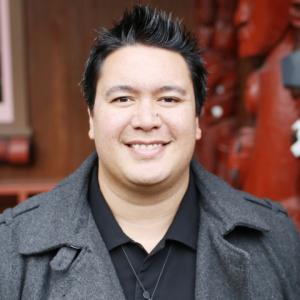
Dr Dean Mahuta
Dean conducts research into traditional Māori knowledge, revitalisation of te reo Māori (the Māori language), Māori history, the representation of Māori customs, language and lore in video games, Māori digital media and identities. He also supervises a number of Masters and PhD students at AUT.
How can a mātauranga Māori based Heke Ngaru contribute to flourishing whānau? Māori continue to experience health inequalities in terms of the social determinants of health. Indeed, rangatahi Māori are a demographic who face significant challenges in life compared to non-Māori. However, the evidence suggests that a strong Māori cultural sense of…
View projectWai-Tai, Wai-Rua: A mātauranga Māori approach to Heke Ngaru
Kairangahau · Researchers
-
 Dr Jordan Waiti
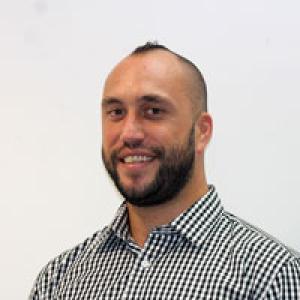
Dr Jordan Waiti
Jordan started as a lecturer within Te Hautaki Waiora Faculty of Health, Sport and Human Performance at the University of Waikato in early 2018. Previously, he was a Māori Health Consultant based out of Whaingaroa/Raglan. He completed his PhD at Massey University, which focussed on Māori notions of ‘Resilience’ and how they are utilised by whānau who had experienced adversity. He has Honours and Masters degrees from Otago University, with research expertise that is broadly based in the area of Māori Health. He has also been a volunteer facilitator for the Te Taitimu Youth Trust in Hawkes Bay.
What are the knowledge gaps pertaining to the impact of incarceration on whānau health and wellbeing, what is the nature and scope of current initiatives for whānau who have a family member incarcerated, and what are the barriers and challenges for whānau utilising current initiatives for these whānau members? The over-representation of Māori in New Zealand…
View projectThe Impact of Incarceration on Whānau Health and Wellbeing
Kairangahau · Researchers
-
 Professor Emma Wyeth
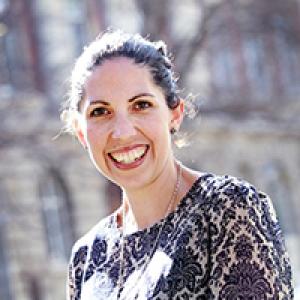
Professor Emma Wyeth
Emma Wyeth (Kāi Tahu, Te Ātiawa, Ngāti Tama, Ngāti Mutunga) was a Deputy Director at Ngā Pae o te Māramatanga 2016 to 2018. Emma is the Director of Te Rōpū Rangahau Hauora Māori o Ngāi Tahu (Ngāi Tahu Māori Health Research Unit) and a Professor in Māori Health, both in the Department of Preventive and Social Medicine.Emma has a range of research expertise and interests within the field of hauora Māori.She is currently the Principal Investigator on the Health Research Council of New Zealand (HRC)-funded POIS-10 Māori: Outcomes and experiences in the decade following injury study (2019-2022)…