Kairangahau · Researchers
145 people
-
 Fiona Wiremu
Tūhoe, Ngāti Ranginui
Te Whare Wānanga o Awanuiārangi
Fiona is Chairperson of Te Puna Ora o Mataatua and Med Central (Whakatāne medical practice) and is also an executive…
Fiona Wiremu
Tūhoe, Ngāti Ranginui
Te Whare Wānanga o Awanuiārangi
Fiona is Chairperson of Te Puna Ora o Mataatua and Med Central (Whakatāne medical practice) and is also an executive…
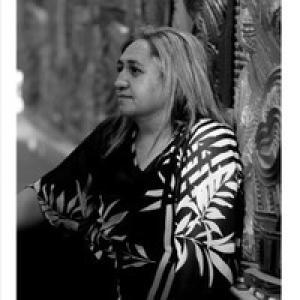
Fiona Wiremu
Fiona is Chairperson of Te Puna Ora o Mataatua and Med Central (Whakatāne medical practice) and is also an executive director at Te Whare Wānanga o Awanuiārangi. Her research interests are focused on Māori health outcomes and economic initiatives.
-
 Associate Professor Hinekura Smith
Te Rarawa, Ngāpuhi
Waipapa Taumata Rau, University of Auckland
Dr Hinekura Smith (Te Rarawa, Ngāpuhi) is NPM's Emerging Researchers’ Leader, providing further national leadership and…
Associate Professor Hinekura Smith
Te Rarawa, Ngāpuhi
Waipapa Taumata Rau, University of Auckland
Dr Hinekura Smith (Te Rarawa, Ngāpuhi) is NPM's Emerging Researchers’ Leader, providing further national leadership and…
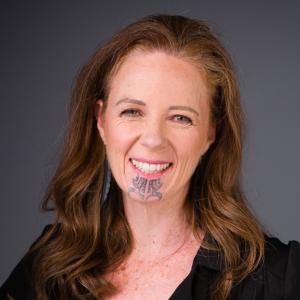
Associate Professor Hinekura Smith
Dr Hinekura Smith (Te Rarawa, Ngāpuhi) is NPM's Emerging Researchers’ Leader, providing further national leadership and coordination of MAI Te Kupenga and developing and nurturing initiatives that contribute to the outcomes and objectives of NPM’s Capability and Capacity Strategy.
Hinekura was initially a secondary school te reo Māori teacher then moved into teacher education research almost 10 years ago, when she commenced her postgraduate studies. She has worked as a professional development facilitator in Māori medium schools, te reo Māori facilitator in English-medium schools and a professional teaching fellow at Te Puna Wānanga, School of Māori and Indigenous Education. Since February 2017 she has been a lecturer and academic developer Māori at the Centre for Learning and Research in Higher Education, University of Auckland.
Her research grounded in kaupapa Māori theory, includes the reclamation and revitalisation of Māori language, culture and identity - particularly for Māori women and children as well as the development of qualitative Kaupapa Māori and art-based methodologies.
From 2018-2020 Hinekura is a co-Principal Investigator on a 2 year intercultural Ako Aotearoa project named He Vaka Moana, which is focused on developing and evaluating an inter-institutional Oceanic research fellowship to support Māori and Pasifika student success and retention.
-
 Dr Marama Muru-Lanning
Waikato-Ngāti Maniapoto
Waipapa Taumata Rau, University of Auckland
Marama holds a PhD in Anthropology from the University of Auckland. She is a Senior Research Fellow and Acting Director…
Dr Marama Muru-Lanning
Waikato-Ngāti Maniapoto
Waipapa Taumata Rau, University of Auckland
Marama holds a PhD in Anthropology from the University of Auckland. She is a Senior Research Fellow and Acting Director…
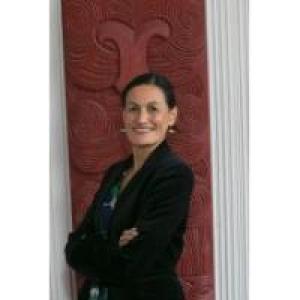
Dr Marama Muru-Lanning
Marama holds a PhD in Anthropology from the University of Auckland. She is a Senior Research Fellow and Acting Director at the James Henare Māori Research Centre. Marama also advises on elderly health projects in the School of Population Health. Her research is primarily concerned with debates and critical challenges in social anthropology where she focuses on the cultural specificity of iwi-Māori and their unique sense of place and belonging in New Zealand. What distinguishes Marama nationally as a social scientist is her specialization in water, environment and indigenous rights. She currently holds a Royal Society Marsden Research Grant, is on the Board of the Association for Social Anthropology in Oceania and is a Council member of the Journal of the Polynesian Society, New Zealand’s oldest scholarly journal.
Her book Tūpuna Awa: People and Politics of the Waikato River, was published by Auckland University Press in 2016. Marama was awarded a Visiting Chilean Research Fellowship in 2015 and has conducted research with scholars from Pontificia Catolica Universidad examining the impacts of increased privatised geothermal and hydro electricity generation on Mapuche who reside in the Araucania of Chile. She also has research collaborations with other University of Auckland scholars that involve improving the water quality of New Zealand Rivers and investigating the resilience of Maori buildings.
Marama is from Turangawaewae Marae and is of Waikato and Ngati Maniapoto descent.
-
 Melanie Mark-Shadbolt
Ngāti Porou, Te Arawa, Te Ātiawa, Ngāti Raukawa, Ngāti Tūwharetoa
Lincoln University
Melanie is an Indigenous environmental sociologist, and the Māori Research Manager – Kaiārahi for the Bio-Protection…
Melanie Mark-Shadbolt
Ngāti Porou, Te Arawa, Te Ātiawa, Ngāti Raukawa, Ngāti Tūwharetoa
Lincoln University
Melanie is an Indigenous environmental sociologist, and the Māori Research Manager – Kaiārahi for the Bio-Protection…
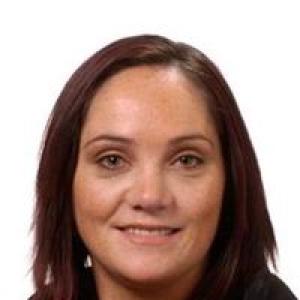
Melanie Mark-Shadbolt
Melanie is an Indigenous environmental sociologist, and the Māori Research Manager – Kaiārahi for the Bio-Protection Research Centre (a Centre of Research Excellence) based at Lincoln University.
She is also the Māori Manager for New Zealand’s Biological Heritage National Science Challenge, a founding member of Te Tira Whakamātaki; the Māori Biosecurity Network and a project leader and researcher in a number of National Science Challenge, Tertiary Education Commission and Ministry of Business, Innovation and Employment programmes including ‘Mātauranga Māori characterisation of NZ’s biodiversity,’ ‘Protecting NZ’s primary sector from plant pests: a toolkit for the urban battlefield,’ and ‘Protecting New Zealand from extreme fire.’
Since 2011 Melanie has been funded through various research institutes and government agencies to examine disaster risk reduction (DRR) and the effects of the Canterbury earthquakes on Māori communities, work that she believes links closely to the biosecurity sector. Melanie worked for Te Runanga o Ngāi Tahu and its education subsidiary Te Tapuae o Rehua from 2001-2008.
-
 Dr Phil Lyver
Landcare Research Manaaki Whenua
Phil’s research has used ecological science and indigenous and local knowledge to interpret changes in demographic…
Dr Phil Lyver
Landcare Research Manaaki Whenua
Phil’s research has used ecological science and indigenous and local knowledge to interpret changes in demographic…
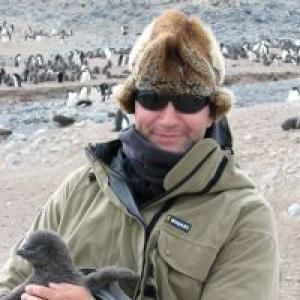
Dr Phil Lyver
Phil’s research has used ecological science and indigenous and local knowledge to interpret changes in demographic trends and abundance of wildlife populations (e.g. terrestrial and marine birds). The key focus of his research has been on climatic and anthropogenic (e.g. harvest) drivers of population change, and the development of models to forecast population trends. He has expertise in interpreting ecosystem structure and function within scientific and indigenous worldviews, in particular the ways that different cultures ‘sense’ the environment. Phil has experience interfacing both scientific and cultural frameworks to design and interpret biodiversity indicators for Māori resource users, scientists, policymakers, and government and non-government officials. Strong cross-cultural partnerships with indigenous people, especially Māori, are core to his research. Also of interest are the arrangements used by Māori and indigenous people internationally to achieve governance and management over their lands and natural resources.
For the last decade, Phil has worked as part of national and international multidisciplinary teams, comprising ecologists, modellers, social scientists, and school teachers. Outcomes include amendments to government policy resulting in the re-establishment of a customary harvest of grey-faced petrel chicks; presentation of principles and priorities for the future governance and management of Te Urewera; and the restoration of coastal forest ecosystems using palaeo-pollen records and mātauranga. His results contribute significantly to understanding biodiversity and ecology in New Zealand and Antarctica, and have been communicated through international and national peer-reviewed journals and conferences, community newsletters, TV and print media, school journals, and the NCEA Year 10–13 Geography curriculum.
-
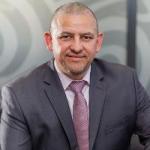 Dr Jason Paul Mika
Tūhoe, Ngāti Awa, Whakatōhea, Ngāti Kahungunu
Massey University
Jason MIka is a senior lecturer and Co-Director of Te Au Rangahau, the Māori Business & Leadership Research. His…
Dr Jason Paul Mika
Tūhoe, Ngāti Awa, Whakatōhea, Ngāti Kahungunu
Massey University
Jason MIka is a senior lecturer and Co-Director of Te Au Rangahau, the Māori Business & Leadership Research. His…
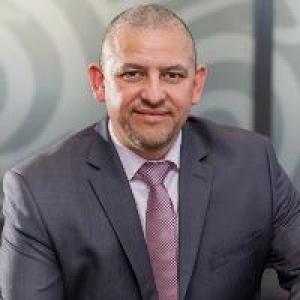
Dr Jason Paul Mika
Jason MIka is a senior lecturer and Co-Director of Te Au Rangahau, the Māori Business & Leadership Research. His research interests include indigenous entrepreneurship, management and methodologies.
-
 Professor Jenny Bol Jun Lee-Morgan
Waikato, Ngāti Mahuta, Ngāti Te Ahiwaru
Te Whare Wananga o Wairaka Unitec
Dr Lee-Morgan is Professor of Māori Research and was a founding Director of Ngā Wai a te Tui Māori Research Centre, Te…
Professor Jenny Bol Jun Lee-Morgan
Waikato, Ngāti Mahuta, Ngāti Te Ahiwaru
Te Whare Wananga o Wairaka Unitec
Dr Lee-Morgan is Professor of Māori Research and was a founding Director of Ngā Wai a te Tui Māori Research Centre, Te…
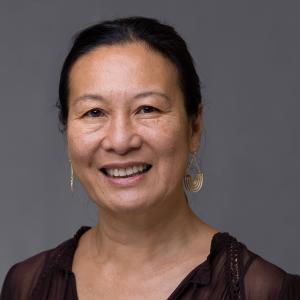
Professor Jenny Bol Jun Lee-Morgan
Dr Lee-Morgan is Professor of Māori Research and was a founding Director of Ngā Wai a te Tui Māori Research Centre, Te Whare Wananga o Wairaka Unitec. Initially a secondary school teacher, she became a teacher educator and kaupapa Māori researcher in education with a focus on Maori pedagogy and methodology. In 2106, she was awarded Te Tohu Pae Tawhiti Award by the New Zealand Association for Research in Education for her significant and high-quality research contribution to Māori education. Dr Lee-Morgan’s co-edited book ‘Decolonisation in Aotearoa: Research, education and practice’(Hutchings & Lee-Morgan, 2016) won Te Kōrero Pono (non-fiction category) in the Ngā Kupu Ora Aotearoa Māori Book Awards 2017.
-
 Dr Tony Trinnick
Te Whānau a Āpanui
University of Auckland
Tony’s research interests are broadly focused on a number of areas in the teaching and learning of mathematics in the…
Dr Tony Trinnick
Te Whānau a Āpanui
University of Auckland
Tony’s research interests are broadly focused on a number of areas in the teaching and learning of mathematics in the…
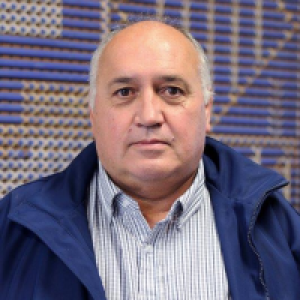
Dr Tony Trinnick
Tony’s research interests are broadly focused on a number of areas in the teaching and learning of mathematics in the medium of Maori.
This includes researching the complex relationship between te reo Maori and mathematics, particularly the development of the mathematics register and the teaching and learning of the register.
His research also focuses on student achievement in Maori medium mathematics and the factors that support and impinge on student progress.