Kairangahau · Researchers
145 people
-
 Associate Professor Carla Anne Houkamau
Waipapa Taumata Rau, University of Auckland
Carla Houkamau (PhD) is an Associate Professor in the Department of Management and International Business, the Director…
Associate Professor Carla Anne Houkamau
Waipapa Taumata Rau, University of Auckland
Carla Houkamau (PhD) is an Associate Professor in the Department of Management and International Business, the Director…
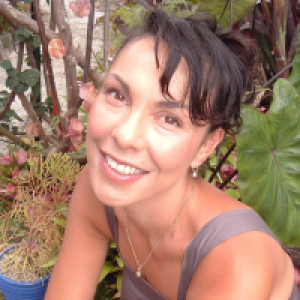
Associate Professor Carla Anne Houkamau
Carla Houkamau (PhD) is an Associate Professor in the Department of Management and International Business, the Director of the Mira Szászy Research Centre for Māori and Pacific Economic Development and the Associate Dean for Māori and Pacific Development for the Business School.
Carla is of Ngāti Porou, Ngāti Kahungunu, Ngāi Tahu and Pākehā descent. She holds a deep personal interest in the history of Māori-Pākehā relations and promoting cultural understanding. Her current research focuses mainly on intergroup relations, chiefly how group memberships influence attitudes and behaviour. Her publications typically examine how ethnicity helps reproduce socio-economic inequalities but can be leveraged to address them.
Reflecting her role in the Business School her work has broadened to include diversity management, identity economics and implicit bias. Her research using the Multidimensional Model of Māori identity and Cultural Engagement (MMM-ICE) has been recognised nationally and internationally for advancing ethnic identity research using psychometric measures and large samples.
-
 Dr Brad Combes
Kati Mamoe, Ngāti Kahungunu
Waipapa Taumata Rau, University of Auckland
Brad's research focus is the participation of indigenous peoples in conservation management and environmental planning…
Dr Brad Combes
Kati Mamoe, Ngāti Kahungunu
Waipapa Taumata Rau, University of Auckland
Brad's research focus is the participation of indigenous peoples in conservation management and environmental planning…
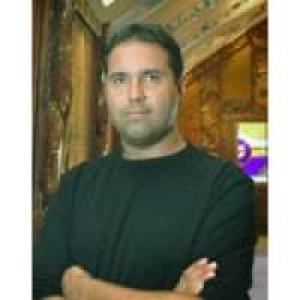
Dr Brad Combes
Brad's research focus is the participation of indigenous peoples in conservation management and environmental planning. This research focuses on the obstacles to establishing partnership approaches, and the appropriateness of comanagement, collaborative science and community-based management for resolving conservation conflicts.
He has been involved in several research projects which were commissioned to support the environmental claims of iwi (Maori tribes) before the Waitangi Tribunal. Those projects focus on the capacity of indigenous peoples to influence landscape change and halt environmental degradation through the planning process. They also emphasise the impacts of conservation on the communities which surround national parks, and the search for policies which attempt coexistence between conservation, development and Treaty rights.
He also has research interests in long-standing dilemmas in environmental management, conflicts about and approaches to promoting indigenous habitat protection and water quality control on private land, strategies to motivate the public to participate in environmental projects and community-based restoration projects throughout New Zealand.
-
 Professor Tīmoti Kāretu
Ngāi Tūhoe, Ngāti Kahungunu
Auckland University of Technology (AUT)
Dr Kāretu, of Tūhoe and Ngāti Kahungunu descent, is one of three Directors of Te Panekiretanga o Te Reo Māori (School…
Professor Tīmoti Kāretu
Ngāi Tūhoe, Ngāti Kahungunu
Auckland University of Technology (AUT)
Dr Kāretu, of Tūhoe and Ngāti Kahungunu descent, is one of three Directors of Te Panekiretanga o Te Reo Māori (School…
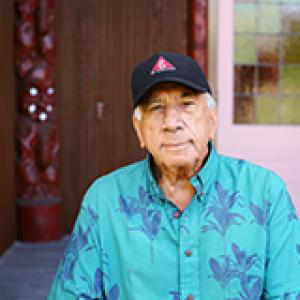
Professor Tīmoti Kāretu
Dr Kāretu, of Tūhoe and Ngāti Kahungunu descent, is one of three Directors of Te Panekiretanga o Te Reo Māori (School of Māori Language Excellence) at Te Wānanga o Aotearoa. He is considered a master of te reo Māori (the Māori language) and is recognised nationally and internationally for his knowledge and work in the language.
In 1992, he received the Queen’s Service Order (QSO) for services to the Māori language. In 1970, he was appointed as the first Professor of Māori Studies at the University of Waikato. In 1987 he became the first Māori Language Commissioner at Te Taura Whiri i te Reo Māori (The Māori Language Commission). He continued in the role until 1999. From 2003, Dr Kāretu was the Head of Te Kōhanga Reo National Trust (Māori language and culture preschools).
He has been involved in numerous Māori performing arts competitions as a tutor, a composer, a judge and an organiser. He was the head of the national Māori performing arts competition for many years. He is also one of the three New Zealand Fellows of the International Centre for Language Revitalisation.
-
 Professor Te Kani Kingi
Ngāti Pukeko, Ngāti Awa
Massey University
Te Kani Kingi is Director of Te Mata o te Tau, The Academy for Māori Research and Scholarship at Massey University in…
Professor Te Kani Kingi
Ngāti Pukeko, Ngāti Awa
Massey University
Te Kani Kingi is Director of Te Mata o te Tau, The Academy for Māori Research and Scholarship at Massey University in…
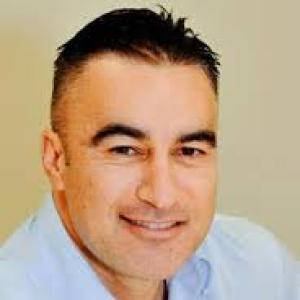
Professor Te Kani Kingi
Te Kani Kingi is Director of Te Mata o te Tau, The Academy for Māori Research and Scholarship at Massey University in Wellington. His specialist interests are in mental health research, psychometrics and Māori health.
He has been an executive member of the New Zealand Public Health Association, the Mental Health Advocacy Coalition, the National Ethics Advisory Committee, the National Health Committee and the Public Health Advisory Committee.
He currently sits on Statistics New Zealand’s Māori Advisory Group, the Pharmacy Council and is Chair of the Mental Health Commission’s Advisory Board. He was born and raised in Poroporo and attended St Stephens Māori Boys College in South Auckland. He has tribal affiliations to Ngāti Pukeko, Ngāti Awa and Ngāi Tai.
-
 Professor Tania Ka'ai
Ngāti Porou, Ngāi Tahu, Hawaiian, Cook Islands, Samoan
Auckland University of Technology (AUT)
Professor Tania Ka‘ai has worked in tertiary education for over 20 years. As an Indigenous scholar Professor Ka‘ai uses…
Professor Tania Ka'ai
Ngāti Porou, Ngāi Tahu, Hawaiian, Cook Islands, Samoan
Auckland University of Technology (AUT)
Professor Tania Ka‘ai has worked in tertiary education for over 20 years. As an Indigenous scholar Professor Ka‘ai uses…
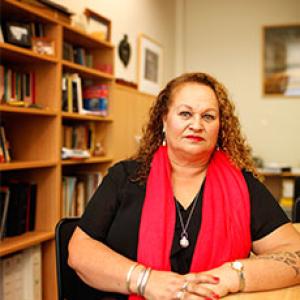
Professor Tania Ka'ai
Professor Tania Ka‘ai has worked in tertiary education for over 20 years. As an Indigenous scholar Professor Ka‘ai uses the cultural values transmitted to her by her elders and mentors as an epistemological framework which informs her own academic writing and teaching (including supervision) within the university academy.
Her work as Director of Te Ipukarea and Te Whare o Rongomaurikura, provides an opportunity to share her knowledge not only with students and staff at AUT and others nationally, but internationally too.
Professor Ka‘ai’s work with endangered and minority languages has taken her around the globe to showcase the research being undertaken within the Institute and the Centre.
Tania teaches in Indigenous research methodologies and her research focuses on language revitalisation strategies and in particular Māori and Pacific languages, Indigenous epistemologies and methodologies, and Māori education
-
 Dr Rachel Wolfgramm
Te Aupouri, Ngāi Takoto, Whakatōhea, Ngāti Patumoana, Tonga
University of Auckland
Rachel's training has been multi-disciplinary, incorporating the fields of organisation, consumption, leadership and…
Dr Rachel Wolfgramm
Te Aupouri, Ngāi Takoto, Whakatōhea, Ngāti Patumoana, Tonga
University of Auckland
Rachel's training has been multi-disciplinary, incorporating the fields of organisation, consumption, leadership and…
Dr Rachel Wolfgramm
Rachel's training has been multi-disciplinary, incorporating the fields of organisation, consumption, leadership and economic theory and practice. She has taught undergraduate and postgraduate courses in Management, Organisation Behaviour, Māori Enterprise, Sustainability, Business, Culture and Society, Business Ethics and Sustainability.
Rachel is currently investigating the “Romance of Sustainability; enchantment, illusion, entrapment and re-enchantment”. This is examined in the context of management, consumption and leadership theory and practice. She is also co-leading a longitudinal research project “Echoes from the future, status and sustainability in new lifestyle trends” and is supervising a cohort of postgraduate and doctoral students whose interests cohere around business in society and business futures.
Her research activity also includes Māori organisation and enterprise (with a recent focus on the dynamics of Māori careers and leadership in the creative industry), leadership for sustainability (with a specific focus on global initiatives involving universities) and spirituality at work.
Research interests: Sustainability, socio-economic trends, Māori organisation and enterprise.
-
 Dr Robert Joseph
Ngāti Raukawa ki Wharepuhunga, Te Pae o Raukawa, Ngäti Paretekawa o Ngāti Maniapoto
University of Waikato
Robert is a Barrister and Solicitor of the High Court of New Zealand and was a senior research fellow for the Te…
Dr Robert Joseph
Ngāti Raukawa ki Wharepuhunga, Te Pae o Raukawa, Ngäti Paretekawa o Ngāti Maniapoto
University of Waikato
Robert is a Barrister and Solicitor of the High Court of New Zealand and was a senior research fellow for the Te…
Dr Robert Joseph
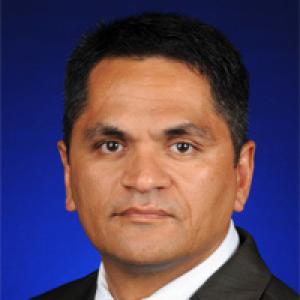
Robert is a Barrister and Solicitor of the High Court of New Zealand and was a senior research fellow for the Te Mātāhauariki Research Institute at the University of Waikato under the leadership of Judge Michael Brown and Dr Alex Frame. Dr Robert Joseph was the second Māori in New Zealand - and the first Māori male - to graduate with a PhD in Law in 2006.
Robert's research interests are many and varied: the realisation of the Treaty of Waitangi rights and responsibilities, the interface of traditional Māori knowledge systems and western science; internal self-determination rights and responsibilities of Indigenous institutions; Canadian and North American Indigenous studies; treaty processes and post-settlement development; dispute resolution processes, particularly with respect to resolving disputes between different cultures; and Māori and Indigenous Peoples' governance in settler nation-states. He is currently writing a biography of his paternal tupuna (ancestors), who fought at the famous 1864 Battle of Orakau during the Waikato Wars.
-
 Garth Harmsworth
Te Arawa, Ngāti Tūwharetoa, Ngāti Raukawa
Landcare Research Manaaki Whenua
Garth is a senior environmental scientist based in Palmerston North and has worked for Landcare Research since 1992…
Garth Harmsworth
Te Arawa, Ngāti Tūwharetoa, Ngāti Raukawa
Landcare Research Manaaki Whenua
Garth is a senior environmental scientist based in Palmerston North and has worked for Landcare Research since 1992…
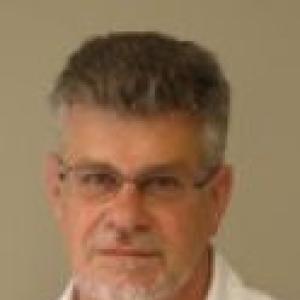
Garth Harmsworth
Garth is a senior environmental scientist based in Palmerston North and has worked for Landcare Research since 1992. His career spans over 28 years in resource management, land resource assessment, national environmental databases, GIS applications, and indigenous research. Garth pioneered much of the Māori led research in Manaaki Whenua-Landcare Research Ltd., working on a wide range projects with Māori organisations and regional councils throughout New Zealand, particularly in the areas of land use planning, ecosystem health, bio-physical and cultural indicators, restoring indigenous landscapes, climate change, sustainable iwi/hapu resource development, building Māori research capability, collaborative learning, and indigenous Māori knowledge and values.
Major achievements and publications reflect an in-depth relationship and extensive networking during the last 29 years, work in at least 40 Māori research projects, and a large number of consultancies/working relationships/supply of information to staff in: iwi and hapu organisations; central and local government; non government organisations.
-
 Dr Chellie Spiller
Ngāti Kahungunu
Dr Chellie Spiller, of Māori and Pākehā lineage, is a senior lecturer and Associate Dean Māori and Pacific at the…
Dr Chellie Spiller
Ngāti Kahungunu
Dr Chellie Spiller, of Māori and Pākehā lineage, is a senior lecturer and Associate Dean Māori and Pacific at the…
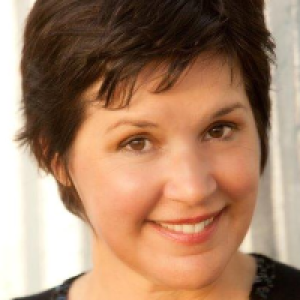
Dr Chellie Spiller
Dr Chellie Spiller, of Māori and Pākehā lineage, is a senior lecturer and Associate Dean Māori and Pacific at the University of Auckland Business School. She has over 30 years of corporate experience in tourism, finance and marketing, holding senior executive positions in New Zealand and abroad, and brings this experience to her academic work and leadership and management development programmes. Her research explores how Māori and indigenous businesses create authentic and sustainable wealth and wellbeing.
Chellie was a Fulbright Senior Scholar at the Harvard Kennedy School and the University of Arizona between November 2011 and March 2012. She is a recipient of a 2011 Dame Mira Szászy Māori Alumni Award, 2011 National Māori Academic Excellence Award, and 2010 AuSM Best Lecturer Award, AUT University. In 2013 she released a co-edited book with Professor Donna Ladkin titled Reflections on Authentic Leadership: Concepts, Coalescences and Clashes published by Edward Elgar Press, which was nominated in the top ten leadership books of 2013 (University of San Diego Outstanding Leadership Book Awards).
Chellie is a co-author of a book on traditional Polynesian navigation Wayfinding Leadership: Groundbreaking Wisdom for Developing Leaders with Hoturoa Barclay-Kerr and John Panoho. She is a co-editor of Indigenous spiritualties at work: Transforming the spirit of business enterprise with Dr Rachel Wolfgramm and a co-editor on two special issues: “Intellectual Shamans, Wayfinders, Edgewalkers, Difference Makers, Social Entrepreneurs, and Other Change Makers” for the Journal of Corporate Citizenship and “Indigenous leadership” for Leadership.