About this research
Lynley Uerata (Ngati Mahuta, Ngati Tahinga), University of Waikato
The proposed research will explore the precarious realities of eight Māori households and their culturally-patterned responses to socio-economic marginalisation. The Māori precariat are a growing social class whose lives are rendered precarious by flexible and unstable employment, unliveable incomes, inadequate state support, low resources, stigma and marginalisation (Hodgetts & Griffin, 2015; Standing, 2014).
Literature suggests that precariat persons are becoming increasingly alienated from civic life and their rights are being eroded as they are transformed from citizens to morally and materially marginalised denizens (Hodgetts et al., 2013; 2014; Standing, 2014). Through examining factors that support and impinge upon their precarious reality and capacity for human flourishing. the research will generate a detailed profile and understanding of these people who are often judged for the precarious realities they contend with.
To ensure that the research is mutually beneficial and transformative, the research team will work with Refuge staff and participants to develop ways to improve service provision and the everyday lives of participants. The research will engage with whānau who have reached their lowest ebb – where relationships have broken down and the structural violence faced by Māori has become internalised within households - and are on their way back up. This project has benefits for households in providing a respectful space to consider options for addressing barriers to flourishing, to increase access to resources, and to articulate their own plans for the future. Society in general will benefit from our efforts to enrich public deliberations regarding inequalities and precarity and effective responses. The research will also highlight structural and societal forces that impact upon their realities.
Resolving precarity also requires structural change, including changes to labour laws as well as the reorientation of many government and non-government agencies towards perceiving whānau as the victims of current inequitable socio-economic systems. One of the aims of the research is to cultivate more humane understandings of whānau in need as a step towards the necessary structural changes required to reverse the growth of the precariat. The research can inform policy decisions in this area and the design of community responses to whānau needs. The research will promote humane responses to whānau and a shift back from the current focus on ‘penal welfare’, which pervades government and charity responses. It is important that the research generate insights into the problems such punitive approaches cause in stigmatising and marginalising whānau in order to support efforts to promote the need for social and political change.
Lynley Uerata (Ngati Mahuta, Ngati Tahinga), University of Waikato
The proposed research will explore the precarious realities of eight Māori households and their culturally-patterned responses to socio-economic marginalisation.
The Māori precariat are a growing social class whose lives are rendered precarious by flexible and unstable employment, unliveable incomes, inadequate state support, low resources, stigma and marginalisation (Hodgetts & Griffin, 2015; Standing, 2014).
Literature suggests that precariat persons are becoming increasingly alienated from civic life and their rights are being eroded as they are transformed from citizens to morally and materially marginalised denizens (Hodgetts et al., 2013; 2014; Standing, 2014). Through examining factors that support and impinge upon their precarious reality and capacity for human flourishing. the research will generate a detailed profile and understanding of these people who are often judged for the precarious realities they contend with.
Ētahi atu · Other projects
PHD Candidate: Coral Wiapo (Ngati Whātua) Primary Supervisor(s): Dr Sue Adams Work is underway in Te Tai Tokerau to strengthen the Māori nursing workforce by supporting kaimahi to enter the nursing profession; and registered nurses to advance their scope of practice to become nurse prescribers or nurse practitioners (NPs). Improving access to healthcare for…
View projectAhakoa he iti, he pounamu: How do wahine Māori nurses utilise mātauranga Māori as a means to address health equity in Te Tai Tokerau?
Kairangahau · Researchers
-
 Dr Sue Adams
Dr Sue Adams
How do fat Indigenous wāhine reclaim body sovereignty as a form of resistance? This research centred on the lived experiences of fat Māori wāhine, challenging colonial and biomedical narratives through the lens of mātauranga Māori. It reclaims tino rangatiratanga and mana motuhake of the body, and reimagines access, wellbeing, and worth beyond systems of…
View projectMana Tinana, Mana Mōmona, Mana Wāhine: Ngā Pūrākau o Ngā Tinana Body Sovereignty and Fat Māori Wāhine
How do fat Indigenous wāhine reclaim body sovereignty as a form of resistance? This research centred on the lived experiences of fat Māori wāhine, challenging colonial and biomedical narratives through the lens of mātauranga Māori. It reclaims tino rangatiratanga and mana motuhake of the body, and reimagines access, wellbeing, and worth beyond systems of oppression.
What does Māori women’s leadership in governance look like when told through their own voices? This project centres wāhine rangatira experiences and mentorship to develop a mana wāhine-led model of leadership and governance—from wāhine, for wāhine.
View projectMō ngā uri whakatipu: Women leaders paving a pathway for future generations in governance
What does Māori women’s leadership in governance look like when told through their own voices? This project centres wāhine rangatira experiences and mentorship to develop a mana wāhine-led model of leadership and governance—from wāhine, for wāhine.
Kairangahau · Researchers
-
 Professor Chellie Spiller
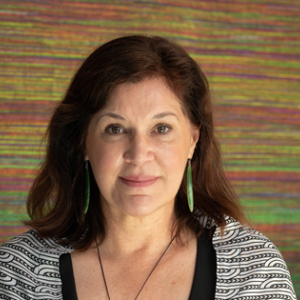
Professor Chellie Spiller
Dr Chellie Spiller, of Matawhaiti Iwitea, Ngāti Kahungunu ki Wairoa, is Professor of Management and Leadership, and Associate Dean Māori at the University of Waikato. She was previously a senior lecturer and Associate Dean Māori and Pacific at the University of Auckland Business School. She has over 30 years of corporate experience in tourism, finance and marketing, holding senior executive positions in New Zealand and abroad, and brings this experience to her academic work and leadership and management development programmes. Her research explores how Māori and indigenous businesses create…