About this research
Zak Waipara (Ngati Porou, Rongowhakaata, Ngati Ruapani, Ngati Kahungnu), Auckland University of Technology
All pūrākau are concerned with how to make sense of our world and ourselves, especially so for indigenous people, because so much has been lost that our stories can be a beacon to find our way home again. “Genuine folklore has been created to teach and to preserve … explanations of the natural, supernatural, and human phenomena ... [reflecting] lifestyle, customs, values, beliefs, ideas, dispositions, humor, and many other aspects of a people.”
Pūrakau Māori are no different in this regard. The stories are codes for living in society, created by that society. Maui’s hook is not just a magic fishhook, but a jawbone, a metaphor for speech. In an oral culture like our own, this metaphor is important. Sound preceded all things in the universe. Our creation story is a chant, and speech is the means by which cultural knowledge is transmitted. Although one aspect of my PhD deals with topical issues around cultural stories, remix, re-telling and appropriation, from a Māori perspective, my primary reasons for pursuing this project are the bilingual creative components. These assert the rightful place of te reo Māori in retelling Maori stories, but also provide English text as a bridge, for those still finding their way toward te reo rangatira.
Storytelling practices are part of how Māori communities communicate te reo Māori and tikanga Māori, and this research explores this practice within broader notions of society.
Mō te rangahau ō tenei kaupapa, ka kohi ai au ki ēra tumomo kōrero ō ngā kaumatua kaituhi, hei pataka matauranga mō ngā kaituhi, kairangahau, kaipakiwaituhi, mō te iwi whānui hoki. I believe there would be great value in interviewing our esteemed Māori writers and artists who work in this creative sphere, in order to provide illumination on this predominantly Pākehā focused craft. The specific context pertains to Māori pūrākau and the social implications of story design, from a Māori perspective, but these issues are broader, encompassing all indigenous peoples and the threats of cultural appropriation, and all manner of social and economic issues facing our tamariki in an increasingly globalised world.
Zak Waipara (Ngati Porou, Rongowhakaata, Ngati Ruapani, Ngati Kahungnu), Auckland University of Technology
All pūrākau are concerned with how to make sense of our world and ourselves, especially so for indigenous people, because so much has been lost that our stories can be a beacon to find our way home again. “Genuine folklore has been created to teach and to preserve … explanations of the natural, supernatural, and human phenomena ... [reflecting] lifestyle, customs, values, beliefs, ideas, dispositions, humor, and many other aspects of a people.”
Ētahi atu · Other projects
PHD Candidate: Coral Wiapo (Ngati Whātua) Primary Supervisor(s): Dr Sue Adams Work is underway in Te Tai Tokerau to strengthen the Māori nursing workforce by supporting kaimahi to enter the nursing profession; and registered nurses to advance their scope of practice to become nurse prescribers or nurse practitioners (NPs). Improving access to healthcare for…
View projectAhakoa he iti, he pounamu: How do wahine Māori nurses utilise mātauranga Māori as a means to address health equity in Te Tai Tokerau?
Kairangahau · Researchers
-
 Dr Sue Adams
Dr Sue Adams
How do fat Indigenous wāhine reclaim body sovereignty as a form of resistance? This research centred on the lived experiences of fat Māori wāhine, challenging colonial and biomedical narratives through the lens of mātauranga Māori. It reclaims tino rangatiratanga and mana motuhake of the body, and reimagines access, wellbeing, and worth beyond systems of…
View projectMana Tinana, Mana Mōmona, Mana Wāhine: Ngā Pūrākau o Ngā Tinana Body Sovereignty and Fat Māori Wāhine
How do fat Indigenous wāhine reclaim body sovereignty as a form of resistance? This research centred on the lived experiences of fat Māori wāhine, challenging colonial and biomedical narratives through the lens of mātauranga Māori. It reclaims tino rangatiratanga and mana motuhake of the body, and reimagines access, wellbeing, and worth beyond systems of oppression.
What does Māori women’s leadership in governance look like when told through their own voices? This project centres wāhine rangatira experiences and mentorship to develop a mana wāhine-led model of leadership and governance—from wāhine, for wāhine.
View projectMō ngā uri whakatipu: Women leaders paving a pathway for future generations in governance
What does Māori women’s leadership in governance look like when told through their own voices? This project centres wāhine rangatira experiences and mentorship to develop a mana wāhine-led model of leadership and governance—from wāhine, for wāhine.
Kairangahau · Researchers
-
 Professor Chellie Spiller
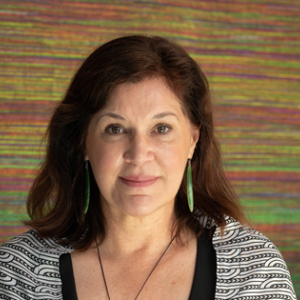
Professor Chellie Spiller
Dr Chellie Spiller, of Matawhaiti Iwitea, Ngāti Kahungunu ki Wairoa, is Professor of Management and Leadership, and Associate Dean Māori at the University of Waikato. She was previously a senior lecturer and Associate Dean Māori and Pacific at the University of Auckland Business School. She has over 30 years of corporate experience in tourism, finance and marketing, holding senior executive positions in New Zealand and abroad, and brings this experience to her academic work and leadership and management development programmes. Her research explores how Māori and indigenous businesses create…