About this research
Jordan Aria Housiaux (Te Ati Awa ki Whakarongotai, Ngāti Raukawa, Ngāti Toa), Massey University
This doctoral project clearly sits within the Ngā Pae o Māramatanga Research Theme: Te Tai Ao. Specifically, this research was established to develop a solution to the disarray often associated with whale stranding events. Unmethodical management and handling practises can lead to further stress experienced by stranded animals, and ultimately higher rates of death.
Despite their regular occurrence over time, whale stranding events are still not well understood. To date, research attributes a combination of factors including, but not limited to, human impacts (such as acoustic disturbance), sickness, social behaviour (following leaders to stranding), and geographic structures affecting sonar (gradual shoreline gradients and sandy or muddy sediments).
Though we may not fully comprehend the reason for stranding events, we can determine the nature of our response, by adequately preparing a solution derived from māori values and knowledge. The practical methodologies and protocols developed through this research, particularly in the rohe of Te Ati Awa ki Whakarongotai and Golden Bay, will be highly useful on a local scale, but can also be used to guide and inform resources specific to other rohe.
Cetacean (whales, dolphins, porpoises) strandings are not simply an event occurring within the environment. There are deeper elements that may only be described through Mātauranga Māori. Practical resources and responses must, therefore, be strongly guided by this body of knowledge in order to maintain our integrity to te taiao. The inclusion of methods derived from western science in this project, ensures a multidisciplinary approach to the research.
Ongoing engagement and guidance from māori communities is essential to the kaupapa of this research, and the development of practical, well-informed stranding protocols. This project will be actively engaged with not only the māori community of the case study iwi, Te Ati Awa ki Whakarongotai, but also with mana whenua from rohe where stranding events may occur.
Consultation with the Te Ati Awa ki Whakarongotai Taiao Committee has already begun. Hui, interviews, and workshops are scheduled to be carried out in the future, where mana whenua will be given the opportunity to contribute to the project to their level of comfort.
In addition, a rangatahi workshop with students from the Massey University Pūhoro Māori Science Academy, is scheduled to take place in 2018. This workshop will aim to engage students with mātauranga māori and tertiary education, particularly in the marine space, and in working with taonga species.
Jordan Aria Housiaux (Te Ati Awa ki Whakarongotai, Ngāti Raukawa, Ngāti Toa), Massey University
This doctoral project clearly sits within the Ngā Pae o Māramatanga Research Theme: Te Tai Ao. Specifically, this research was established to develop a solution to the disarray often associated with whale stranding events. Unmethodical management and handling practises can lead to further stress experienced by stranded animals, and ultimately higher rates of death.
Ētahi atu · Other projects
PHD Candidate: Coral Wiapo (Ngati Whātua) Primary Supervisor(s): Dr Sue Adams Work is underway in Te Tai Tokerau to strengthen the Māori nursing workforce by supporting kaimahi to enter the nursing profession; and registered nurses to advance their scope of practice to become nurse prescribers or nurse practitioners (NPs). Improving access to healthcare for…
View projectAhakoa he iti, he pounamu: How do wahine Māori nurses utilise mātauranga Māori as a means to address health equity in Te Tai Tokerau?
Kairangahau · Researchers
-
 Dr Sue Adams
Dr Sue Adams
How do fat Indigenous wāhine reclaim body sovereignty as a form of resistance? This research centred on the lived experiences of fat Māori wāhine, challenging colonial and biomedical narratives through the lens of mātauranga Māori. It reclaims tino rangatiratanga and mana motuhake of the body, and reimagines access, wellbeing, and worth beyond systems of…
View projectMana Tinana, Mana Mōmona, Mana Wāhine: Ngā Pūrākau o Ngā Tinana Body Sovereignty and Fat Māori Wāhine
How do fat Indigenous wāhine reclaim body sovereignty as a form of resistance? This research centred on the lived experiences of fat Māori wāhine, challenging colonial and biomedical narratives through the lens of mātauranga Māori. It reclaims tino rangatiratanga and mana motuhake of the body, and reimagines access, wellbeing, and worth beyond systems of oppression.
What does Māori women’s leadership in governance look like when told through their own voices? This project centres wāhine rangatira experiences and mentorship to develop a mana wāhine-led model of leadership and governance—from wāhine, for wāhine.
View projectMō ngā uri whakatipu: Women leaders paving a pathway for future generations in governance
What does Māori women’s leadership in governance look like when told through their own voices? This project centres wāhine rangatira experiences and mentorship to develop a mana wāhine-led model of leadership and governance—from wāhine, for wāhine.
Kairangahau · Researchers
-
 Professor Chellie Spiller
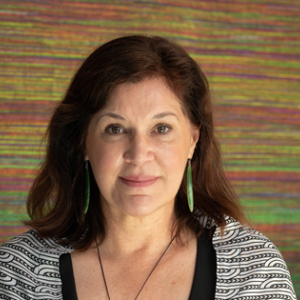
Professor Chellie Spiller
Dr Chellie Spiller, of Matawhaiti Iwitea, Ngāti Kahungunu ki Wairoa, is Professor of Management and Leadership, and Associate Dean Māori at the University of Waikato. She was previously a senior lecturer and Associate Dean Māori and Pacific at the University of Auckland Business School. She has over 30 years of corporate experience in tourism, finance and marketing, holding senior executive positions in New Zealand and abroad, and brings this experience to her academic work and leadership and management development programmes. Her research explores how Māori and indigenous businesses create…