About this research
Morgan Jones (Ngāi Tahu), The University of Otago
The heterogenic nature of cancer and the ability for cancers to undergo metastasis has presented researchers with a major hurdle towards finding a cure or preventive measures for cancer development. Although cancer metastasis is the main cause of cancer-related deaths, the underlying mechanisms or mutational events that cause metastasis have not been identified.
Cell free DNA (cfDNA) in human body fluids is made up of short DNA fragments around 160-180bp; results from recent studies suggest that tumour derived cfDNA, termed circulating tumour DNA (ctDNA) is present in the blood of cancer patients. DNA methylation changes occur early during tumorigenesis and metastasis and are present throughout the entire cancer process, thus suggesting that methylation pattern analysis of ctDNA may provide a robust and achievable approach for identifying the likely presence of secondary tumours and finding predictor markers of cancer metastasis.
Our first objective will involve developing a standardised method which we can use to analyse ctDNA from cancer patient plasma samples using whole genome bisulfite sequencing (WGBS) and an adapted version of single-cell reduced-representation bisulfite sequencing (scRRBS). Following this we will attempt to identify potential epigenetic markers, drivers or mechanisms of colorectal cancer metastasis by comparing matched primary and secondary tissues along with analyzing genomes from global databases.
Morgan Jones (Ngāi Tahu), The University of Otago
The heterogenic nature of cancer and the ability for cancers to undergo metastasis has presented researchers with a major hurdle towards finding a cure or preventive measures for cancer development. Although cancer metastasis is the main cause of cancer-related deaths, the underlying mechanisms or mutational events that cause metastasis have not been identified.
Cell free DNA (cfDNA) in human body fluids is made up of short DNA fragments around 160-180bp; results from recent studies suggest that tumour derived cfDNA, termed circulating tumour DNA (ctDNA) is present in the blood of cancer patients. DNA methylation changes occur early during tumorigenesis and metastasis and are present throughout the entire cancer process, thus suggesting that methylation pattern analysis of ctDNA may provide a robust and achievable approach for identifying the likely presence of secondary tumours and finding predictor markers of cancer metastasis.
Ētahi atu · Other projects
PHD Candidate: Coral Wiapo (Ngati Whātua) Primary Supervisor(s): Dr Sue Adams Work is underway in Te Tai Tokerau to strengthen the Māori nursing workforce by supporting kaimahi to enter the nursing profession; and registered nurses to advance their scope of practice to become nurse prescribers or nurse practitioners (NPs). Improving access to healthcare for…
View projectAhakoa he iti, he pounamu: How do wahine Māori nurses utilise mātauranga Māori as a means to address health equity in Te Tai Tokerau?
Kairangahau · Researchers
-
 Dr Sue Adams
Dr Sue Adams
How do fat Indigenous wāhine reclaim body sovereignty as a form of resistance? This research centred on the lived experiences of fat Māori wāhine, challenging colonial and biomedical narratives through the lens of mātauranga Māori. It reclaims tino rangatiratanga and mana motuhake of the body, and reimagines access, wellbeing, and worth beyond systems of…
View projectMana Tinana, Mana Mōmona, Mana Wāhine: Ngā Pūrākau o Ngā Tinana Body Sovereignty and Fat Māori Wāhine
How do fat Indigenous wāhine reclaim body sovereignty as a form of resistance? This research centred on the lived experiences of fat Māori wāhine, challenging colonial and biomedical narratives through the lens of mātauranga Māori. It reclaims tino rangatiratanga and mana motuhake of the body, and reimagines access, wellbeing, and worth beyond systems of oppression.
What does Māori women’s leadership in governance look like when told through their own voices? This project centres wāhine rangatira experiences and mentorship to develop a mana wāhine-led model of leadership and governance—from wāhine, for wāhine.
View projectMō ngā uri whakatipu: Women leaders paving a pathway for future generations in governance
What does Māori women’s leadership in governance look like when told through their own voices? This project centres wāhine rangatira experiences and mentorship to develop a mana wāhine-led model of leadership and governance—from wāhine, for wāhine.
Kairangahau · Researchers
-
 Professor Chellie Spiller
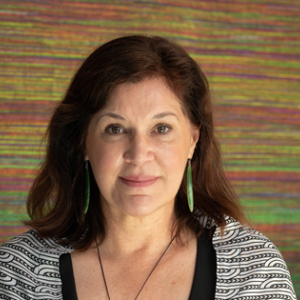
Professor Chellie Spiller
Dr Chellie Spiller, of Matawhaiti Iwitea, Ngāti Kahungunu ki Wairoa, is Professor of Management and Leadership, and Associate Dean Māori at the University of Waikato. She was previously a senior lecturer and Associate Dean Māori and Pacific at the University of Auckland Business School. She has over 30 years of corporate experience in tourism, finance and marketing, holding senior executive positions in New Zealand and abroad, and brings this experience to her academic work and leadership and management development programmes. Her research explores how Māori and indigenous businesses create…