About this research
Project Summary
The best knowledge and technology are coming together for Tahamata Incorporation and shareholders’ coastal farm, Kuku, Horowhenua. Not only is Tahamata Incorporation aligning itself with the Whenua Haumanu program run by Ministry for Primary Industries and Massey University to explore diverse pastures and regenerative management practices for lower North Island coastal farming, but this dedicated iwi-led research team communicated with shareholders/board/operations via mapping and visuals at winter wānanga.
The project team participated in a working week of ground-based preparations on the coastal farm, followed by two-day wānanga on former pā sites, led by iwi researchers with long track record of impactful research. On these ancestral sites by the Ōhau River and Kuku Stream, iwi researchers worked with landscape architect/ GIS and LiDAR expert and a hydro-ecologist/artist to help raise discussions around what enhanced management practices might look like for a case study farm.
Extending on previous research, this project brought together mātauranga Māori/local intergenerational knowledge of place with environmental, economic, hydro-ecological and mapping technologies to enable discussions about whole-of-farm approaches with Tahamata shareholders/board/farm operations; develop comprehensive plans via GIS and LiDAR mapping for better monitoring of all paddocks; discuss regenerative farming practices, and inform on farming emission reductions within current climate change precarities.
Research Question
How might LiDAR (Light Detecting and Ranging) and up-to-date GIS (geographic information system) technologies enhance decision-making for a coastal Māori farm experiencing climate change problems?
Lead Researcher
Professor Huhana Smith, Ngāti Tukorehe, Ngāti Raukawa ki te Tonga, Massey University
Research Team
Moira Poutama, Ngāti Tukorehe, Ngāti Wehiwehi, Ngāti Kikopiri, Ngāti Raukawa ki te Tonga, Te Iwi o Ngāti Tukorehe Trust
Hayden Fowler, Independent
Nathan Galluzzo, McGregor Coxall, Sydney
Highlights
- Completion of a Masters – and supervising the student
- Supervising and completing a summer internship project
- Presenting and engaging with the community and Board
- Invited presentation
- Technical report providing gap-filling for an inquiry
Bringing together cutting-edge mapping tools, mātauranga Māori, and regenerative farming practices, this iwi-led project empowers Tahamata Incorporation to reimagine the future of their coastal farm. Through GIS, LiDAR, and deep local knowledge, the team is creating new ways to see, plan, and care for the whenua—together.
Kairangahau · Researchers
Ētahi atu · Other projects
This research supports iwi-led, tikanga-informed innovation, grounded in Kaupapa Māori methodology. Through wānanga and co-design with Ngāti Tukorehe, the team is developing safe, solvent-free dye processes that respect tikanga and are reproducible in community settings.
View projectTe Rangianiwaniwa a Te Harakeke – The Harakeke’s Rainbow
This research supports iwi-led, tikanga-informed innovation, grounded in Kaupapa Māori methodology. Through wānanga and co-design with Ngāti Tukorehe, the team is developing safe, solvent-free dye processes that respect tikanga and are reproducible in community settings.
Kairangahau · Researchers
-
 Sonya Withers
Sonya Withers
-
Tanya Ruka
Tanya Ruka
-
Briar Moffat
Briar Moffat
Kō Tainui te WakaKō Tararua te MaungaKō Ōtaki me Ōhau ngā AwaKō Ngāti Tukorehe me Ngāti Raukawa te iwiKō Briar Moffatt tāku ingoaI am the Founder and Director of Whare Kōtare -
William Xu
William Xu
-
Ally Ataria
Ally Ataria
-
Julia Hope
Julia Hope
-
Huhana Smith
Huhana Smith
-
Faith Kane
Faith Kane
He oranga whānau: mahi ngātahi: Whānau livelihoods within the context of work and Māori economies of wellbeing. These groundbreaking works celebrate Māori futures rooted in kaupapa Māori values while fostering pathways for responsible relationships, meaningful lives, and flourishing Indigenous wellbeing economies. By emphasising the central role of whānau…
- Mana Touchstones
- Te Ahunga atu ki ngā Ōhanga Oranga Māori: Towards Māori Economies of Wellbeing
- He Rauhī Kupu
He oranga whānau: mahi ngātahi: Whānau livelihoods within the context of work and Māori economies of wellbeing
He oranga whānau: mahi ngātahi: Whānau livelihoods within the context of work and Māori economies of wellbeing. These groundbreaking works celebrate Māori futures rooted in kaupapa Māori values while fostering pathways for responsible relationships, meaningful lives, and flourishing Indigenous wellbeing economies. By emphasising the central role of whānau, these publications provide actionable insights and inspiration for transformative change in economic and cultural systems.
- Mana Touchstones
- Te Ahunga atu ki ngā Ōhanga Oranga Māori: Towards Māori Economies of Wellbeing
- He Rauhī Kupu
Kairangahau · Researchers
-
 Professor Chellie Spiller
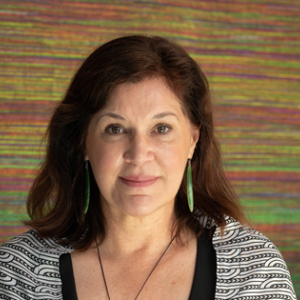
Professor Chellie Spiller
Dr Chellie Spiller, of Matawhaiti Iwitea, Ngāti Kahungunu ki Wairoa, is Professor of Management and Leadership, and Associate Dean Māori at the University of Waikato. She was previously a senior lecturer and Associate Dean Māori and Pacific at the University of Auckland Business School. She has over 30 years of corporate experience in tourism, finance and marketing, holding senior executive positions in New Zealand and abroad, and brings this experience to her academic work and leadership and management development programmes. Her research explores how Māori and indigenous businesses create… -
 Professor Jarrod Haar

Professor Jarrod Haar
Professor Jarrod Haar (PhD) is a Professor of Human Resource Management in the Department of Management and has tribal affiliations of Ngati Maniapoto and Ngati Mahuta. In 2018, Professor Haar was appointed as a Member of the Marsden Fund Council and is the Convenor of the Marsden Economics and Human Behavioural Sciences panel. He is a Fellow of the Royal Society of New Zealand Te Apārangi (2020), a Research Fellow of the Australia & New Zealand Academy of Management (since 2012), and Chartered Fellow of the Human Resource Institute of New Zealand (HRINZ). He won the inaugural HRINZ HR… -
 Dr John Reid
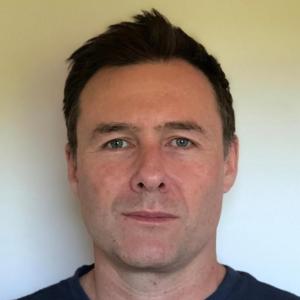
Dr John Reid
John is a Senior Research Fellow at the University of Canterbury’s Ngai Tahu Research Centre. He is a specialist in leading and developing multi-disciplinary research and development programmes focused on addressing interrelated social, economic, and environmental problems. His research explores the way in which Indigenous and Western cultures shape identity, sense of place, and approaches to social and economic development. John's current research interests are focused on sustainable development within indigenous tribal communities and in fostering novel approaches to development through… -
 Professor Jason Paul Mika
Professor Jason Paul Mika
Jason Paul Mika Ko Ranginui e tū iho nei, ko Papatūānuku e takoto nei, ko te ira tangata kei waenganui i raro i te kaitiakitanga o ngā atua, o te manaakitanga o te Runga Rawa. Tīhei mauri ora! Ko Ngāi Tūhoe, ko Ngāti Awa, ko Te Whakatōhea, ko Ngāti Kahungunu ōku iwi. Ko Jason Mika ahau. I was born in Whakatāne and raised mainly in Rotorua. In November 2024, I was fortunate join Waipapa Taumata Rau University of Auckland as a Professor of Māori Management and Associate Dean Māori in He Manga Tauhokohoko Auckland Business School. My research, teaching, writing, and practice centres on Māori and… -
 Dr Matthew Rout
Dr Matthew Rout
Matt works on indigenous socio-economic development and environmental sustainability initiatives and projects with a focus on applied outcomes through theoretical synthesis. He has a particular interest in how philosophical insights from ontology and epistemology can be used in practical ways to aid indigenous development. Indigenous and modernist ontology and epistemology Institutional economics Postcolonial psychology Settler colonisation Sustainable development
This internship compiled a database of traditional Māori food preservation practices to better understand archaeological midden sites and mahinga kai history. Working with Otago’s SPAR team, the project links historical knowledge with contemporary preservation techniques across Aotearoa.
View projectInvestigating traditional mahinga kai practices of preservation throughout Aotearoa
This internship compiled a database of traditional Māori food preservation practices to better understand archaeological midden sites and mahinga kai history.
Working with Otago’s SPAR team, the project links historical knowledge with contemporary preservation techniques across Aotearoa.