About this research
The overarching research platform questions include:
- What strategies/approaches grounded in tikanga Māori can Māori institutions utilise in order to adapt and respond to climate change and natural hazards?
- What are the key short to medium term priorities for Māori communities to respond to climate change and what are the pathways for implementation of strategies/approaches responsive to mitigating the impacts of climate change?
- What alternative economy (e.g. community or collaborative economy) strategies or approaches grounded in tikanga Māori can be utilised to improve Māori community well-being in the aftermath of a natural hazard?
Climate change is widely regarded as one of the most serious global health threats of the 21st century and it is expected to have major implications for future and existing well-being in New Zealand. Its impacts will be disproportionately borne by the most disadvantaged populations including indigenous peoples. For Māori in Aotearoa/New Zealand, as with other indigenous peoples worldwide, colonisation has led to dispossession of land and destabilisation of cultural foundations as well as social, economic and political marginalisation.
Māori continue to have long-term interests in the land that remains and are also heavily invested in primary industries, which are exposed to a range of vulnerabilities from both present and future projected climatic conditions.
Through multiple collaborations across Nga Pae o te Maramatanga research theme areas (Whai Rawa, Mauri Ora, Te Reo me ngā Tikanga, Te Taiao) and across National Science Challenges, in this project we are:
- Co-ordinating a multidisciplinary team of Māori researchers with respect to climate change to; consolidate a repository of Māori and indigenous research with respect to climate change,
- Identifying climate change mitigation and adaption solutions for Māori,
- Promoting Māori responsiveness to climate change with a range of key stakeholders and partners including: whanau/hapū/iwi, Māori business and entrepreneurs, local and central government.
This platform project is the first of many collaborative, multi-institutional and holistic Nga Pae o te Maramatanga projects.
Our transformative approach will change mind-sets and create socially-optimal outcomes, maximising the well-being of communities in response to climate change, the most significant challenge facing our whanau/hapū/iwi.
This is an NPM Platform Project
This project brought together a multidisciplinary Māori research team to identify tikanga-based strategies for climate change adaptation and mitigation.
It consolidated Indigenous knowledge, promoted Māori-led solutions, and developed pathways for enhanced community wellbeing in the face of climate challenges.
Kairangahau · Researchers
 Dr Shaun Awatere
Ngāti Porou
Manaaki Whenua
Shaun Awatere (Ngāti Porou) is a resource economist for Landcare Research in Hamilton. He has been working to improve…
Dr Shaun Awatere
Ngāti Porou
Manaaki Whenua
Shaun Awatere (Ngāti Porou) is a resource economist for Landcare Research in Hamilton. He has been working to improve…
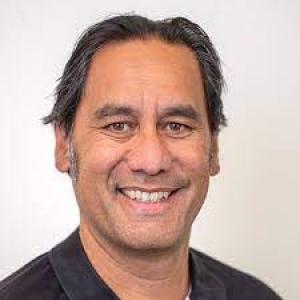
Dr Shaun Awatere
 Dr John Pirker
Ngāi Tahu
University of Canterbury
John's fields of research include marine ecology, aquaculture and marine algae and his research interests centre around…
Dr John Pirker
Ngāi Tahu
University of Canterbury
John's fields of research include marine ecology, aquaculture and marine algae and his research interests centre around…
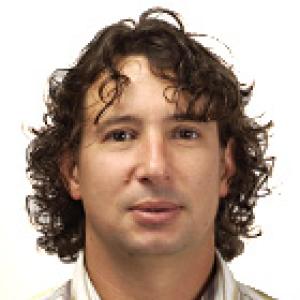
Dr John Pirker
Ētahi atu · Other projects
Exploring horticultural futures in Wairoa, this project identified saffron, feijoa, and gevuina as promising crops to protect whenua from erosion and support sustainable Māori land use.
View projectNgā Kōwhiringa Whenua Māori – Māori land-use opportunities
Exploring horticultural futures in Wairoa, this project identified saffron, feijoa, and gevuina as promising crops to protect whenua from erosion and support sustainable Māori land use.
Kairangahau · Researchers
-
Dr Shaun Awatere
Dr Shaun Awatere
Shaun Awatere (Ngāti Porou) is a resource economist for Landcare Research in Hamilton. He has been working to improve the incorporation of Mātauranga Māori (Māori knowledge and values) into local government planning by developing the systems and processes that will enable Māori values to be integrated into urban design and development.
The significance of this research project lies in its contribution to deeper understand what role Māori SMEs have as critical constituents of the Māori Economy. Recent years have seen attention paid to the merit of the Māori economy, based on the potential of an economy worth an estimated $42.6bn in 2013 (Nana, Khan, & Schulze, 2015). However, this type of…
View projectThe Intergenerational Reality for Māori Small and Medium sized Enterprises (SME): Building resilience of Māori SMEs for the future
Kairangahau · Researchers
-
 Professor Diane Ruwhiu
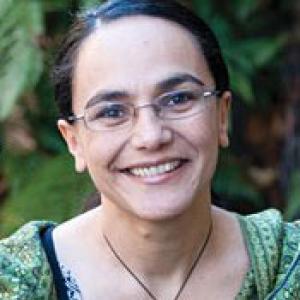
Professor Diane Ruwhiu
Diane Ruwhiu (Ngāpuhi) teaches strategic operations and supply chain management at under and post-graduate levels. In addition, she also introduces Māori values and practice into other areas, such as entrepreneurship, research methods, business communication, and organisations and sustainability.Diane's PhD, 'The Sleeping Taniwha: Exploring the practical utility of kaupapa Māori in firm performance', engaged with the premise that improved Māori firm performance and sustainable advantage, are not merely an outcome of economic activity, but are also determinants of the value derived from… -
Dr Shaun Awatere
Dr Shaun Awatere
Shaun Awatere (Ngāti Porou) is a resource economist for Landcare Research in Hamilton. He has been working to improve the incorporation of Mātauranga Māori (Māori knowledge and values) into local government planning by developing the systems and processes that will enable Māori values to be integrated into urban design and development.
The challenge for Māori carrying out development is to determine how to balance the drivers of a neo-liberal economic approach with the very ideals and principles that define us as Māori to ensure quality social and environmental outcomes for future generations. Through a previous NPM research project "Whakatipu rawa mā ngā uri whakatipu" the team has…
View projectEconomic and Spatial Modelling for informed Māori Land Development
The challenge for Māori carrying out development is to determine how to balance the drivers of a neo-liberal economic approach with the very ideals and principles that define us as Māori to ensure quality social and environmental outcomes for future generations. Through a previous NPM research project "Whakatipu rawa mā ngā uri whakatipu" the team has developed a prototype decision-making framework for collective assets, which takes into account well-being indices, tikanga Māori and financial measures.
Kairangahau · Researchers
-
Dr Shaun Awatere
Dr Shaun Awatere
Shaun Awatere (Ngāti Porou) is a resource economist for Landcare Research in Hamilton. He has been working to improve the incorporation of Mātauranga Māori (Māori knowledge and values) into local government planning by developing the systems and processes that will enable Māori values to be integrated into urban design and development.