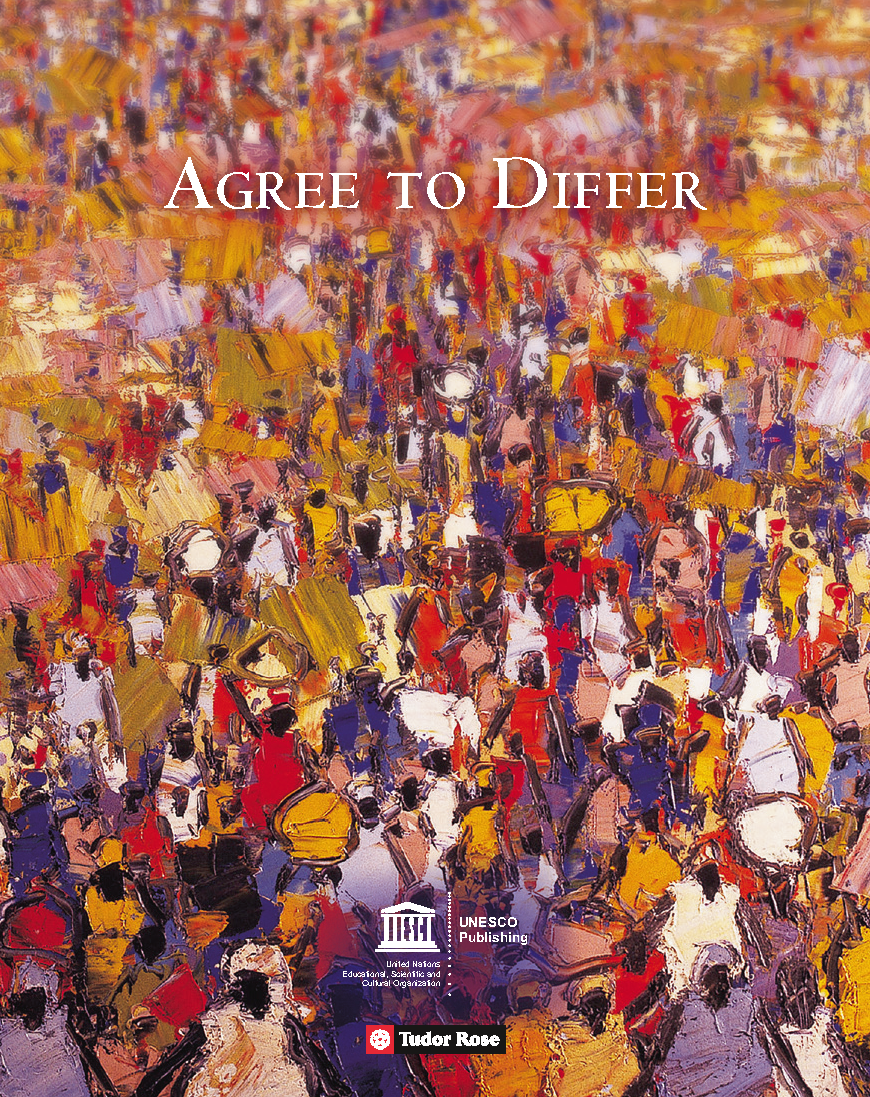
The landmark UNESCO publication, Agree to Differ, was launched on Tuesday 18th May, on Day One of the 3rd World Forum on Intercultural Dialogue in Baku. This book is part of a celebration of the International Decade for the Rapprochement of Cultures which runs from 2013 to 2022. Ngā Pae o te Māramatanga (NPM) accepted an invitation to provide a contribution to the publication and Director Tracey McIntosh has written a section titled ‘Sites of understanding and transformation: Māori and cross-cultural research’. The publication includes contributions from many esteemed academics and authors from around the globe, detailing their work in enhancing the mutual understanding and reciprocal knowledge of cultural, ethnic, linguistic and religious diversity, conributing to the ongoing reconciliation efforts between cultures, building frameworks for commonly shared values which foster social cohesion, proposing and disseminating intercultural dialogue through education and the media and fostering conversations around sustainable development and its ethical, social and cultural dimensions. NPM has been asked to host a copy of the book on our website, and a digital version can now be accessed below. You can also access an interactive copy of the E-Book on the Tudor Rose site from this page.
Ētahi atu · Other publications
 Book
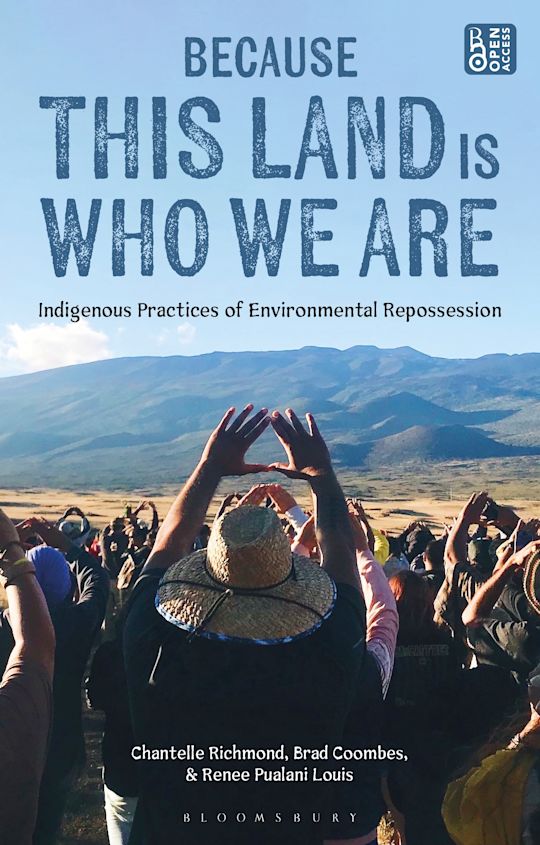
Because This Land is Who We Are: Indigenous Practices of Environmental Repossession
Because This Land Is Who We Are is an exploration of environmental repossession, told through a collaborative case study approach, and…
Book
Because This Land is Who We Are: Indigenous Practices of Environmental Repossession
Because This Land Is Who We Are is an exploration of environmental repossession, told through a collaborative case study approach, and…
Because This Land is Who We Are: Indigenous Practices of Environmental Repossession
Because This Land Is Who We Are is an exploration of environmental repossession, told through a collaborative case study approach, and engaging with Indigenous communities in Canada (Anishinaabe), Hawai'i (Kanaka Maoli) and Aotearoa (Maori). The co-authors are all Indigenous scholars, community leaders and activists who are actively engaged in the movements underway in these locations, and able to describe the unique and common strategies of repossession practices taking place in each community.This open access book celebrates Indigenous ways of knowing, relating to and honouring the land…
 Book
The Politics of Urban Potentiality
This volume examines how urban potentiality emerges in performances that reclaim the city, acting as an emancipatory force when dominant…
Book
The Politics of Urban Potentiality
This volume examines how urban potentiality emerges in performances that reclaim the city, acting as an emancipatory force when dominant…
The Politics of Urban Potentiality
This volume examines how urban potentiality emerges in performances that reclaim the city, acting as an emancipatory force when dominant patterns of urban behaviour are thrown into crisis. It can result in establishing new habits of inhabiting city space, collective experiences shaping practices of urban commoning, re-inventing community relations, and freeing collaboration from capitalist expropriation. Instead of problematizing such radical change through the modernist belief in heroic unique acts, we need to explore the power dissident performances acquire when repeated. In search of an…
 Book
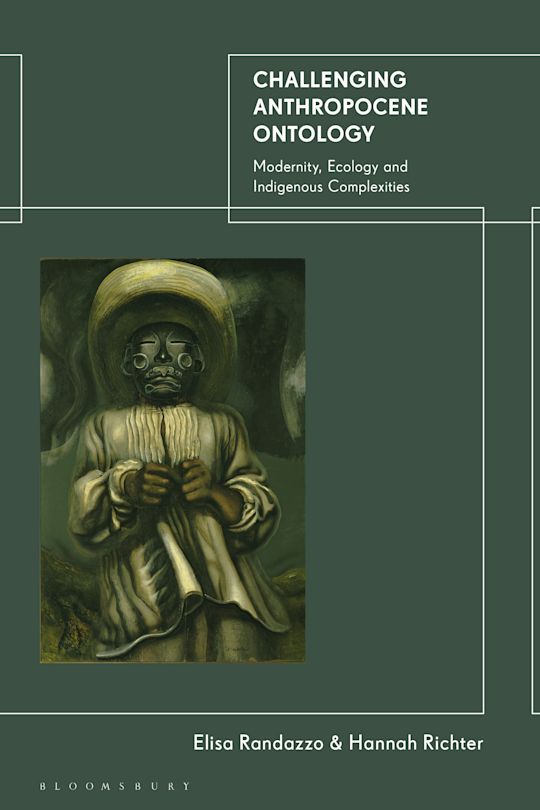
Challenging Anthropocene Ontology Modernity, Ecology and Indigenous Complexities
Using the recent turn to ecology as a starting point, Hannah Richter and Elisa Randazzo bring ecological thinking into contact with…
Book
Challenging Anthropocene Ontology Modernity, Ecology and Indigenous Complexities
Using the recent turn to ecology as a starting point, Hannah Richter and Elisa Randazzo bring ecological thinking into contact with…
Challenging Anthropocene Ontology Modernity, Ecology and Indigenous Complexities
Using the recent turn to ecology as a starting point, Hannah Richter and Elisa Randazzo bring ecological thinking into contact with Critical Indigenous Studies, in which awareness of the necessity for sustainable relations between humans and non-humans has long preceded Western Anthropocene discourse. Currently, the drastic ecological changes labelled as 'the Anthropocene' not only increasingly shape the political awareness and the priorities of citizens and governments, but also inform a large body of social scientific scholarship.Indigenous scholarship and practice, in particular ecological…