Test intro text.
NPM Whānau | Our People
Kairangahau · Researchers 132
 Dr Awanui Te Huia
Awanui (Ngāti Maniapoto) is a senior lecturer at Te Kawa a Māui at Te Herenga a Waka where she provides significant…
Dr Awanui Te Huia
Awanui (Ngāti Maniapoto) is a senior lecturer at Te Kawa a Māui at Te Herenga a Waka where she provides significant…
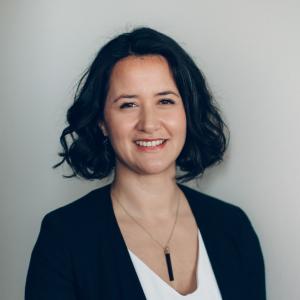
Dr Awanui Te Huia
Awanui (Ngāti Maniapoto) is a senior lecturer at Te Kawa a Māui at Te Herenga a Waka where she provides significant leadership and support to its Māori language programme. With a PhD in Psychology, her research interests include te reo Māori, identity formation, ancestral language learning, cultural wellbeing, biculturalism and anti-racism.
 Dr Sara-Jane Paine
Sarah-Jane (Ngāi Tūhoe) is the recently appointed research director of Growing Up in NZ (GUINZ), Aotearoa New Zealand’s…
Dr Sara-Jane Paine
Sarah-Jane (Ngāi Tūhoe) is the recently appointed research director of Growing Up in NZ (GUINZ), Aotearoa New Zealand’s…

Dr Sara-Jane Paine
Sarah-Jane (Ngāi Tūhoe) is the recently appointed research director of Growing Up in NZ (GUINZ), Aotearoa New Zealand’s largest contemporary longitudinal study of child development, tracking the lives of 6,000 children and their families over 21 years. The study has produced many reports, policy briefs and papers that contribute to a growing body of knowledge on what helps to improve childhood health and well-being in Kiwi families.
Sarah-Jane was previously director of the Tomaiora Research Group at Te Kupenga Hauora Māori (TKHM) in the Faculty of Medical and Health Sciences. She has been involved with GUINZ since 2018, as part of the kaitiaki group. Her expertise is Māori public health, as a kaupapa Māori epidemiologist.
 Dr Matthew Rout
Matt works on indigenous socio-economic development and environmental sustainability initiatives and projects with a…
Dr Matthew Rout
Matt works on indigenous socio-economic development and environmental sustainability initiatives and projects with a…
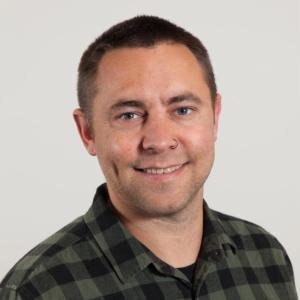
Dr Matthew Rout
Matt works on indigenous socio-economic development and environmental sustainability initiatives and projects with a focus on applied outcomes through theoretical synthesis. He has a particular interest in how philosophical insights from ontology and epistemology can be used in practical ways to aid indigenous development.
- Indigenous and modernist ontology and epistemology
- Institutional economics
- Postcolonial psychology
- Settler colonisation
- Sustainable development
 Associate Professor Te Taka Keegan
Associate Professor Keegan is a trailblazing academic based in the Computer Science Department, University of Waikato…
Associate Professor Te Taka Keegan
Associate Professor Keegan is a trailblazing academic based in the Computer Science Department, University of Waikato…
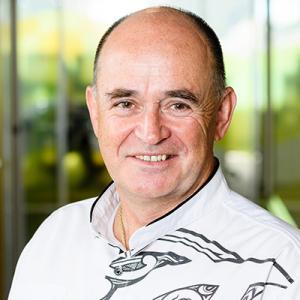
Associate Professor Te Taka Keegan
Associate Professor Keegan is a trailblazing academic based in the Computer Science Department, University of Waikato and is the Associate Dean Māori for Te Wānanga Pūtaiao (Division of Health, Engineering, Computing and Sciences) with postgraduate degrees in computer engineering and te reo Māori. His research focuses on traditional navigation, Māori language technologies, Indigenous language interfaces, and use of te reo in a technological environment. He developed the Microsoft Māori keyboard, Microsoft Office in Māori, Moodle in Māori, Google Web Search in Māori and the Māori macroniser. He is Chair of the Kāhui Māori, Science for Technological Innovation National Science Challenge. He has won the Prime Minister’s Supreme Prize for tertiary teaching. Science Challenge. He has won the Prime Minister’s Supreme Prize for tertiary teaching.
 Sacha McMeeking
Sacha brings a serial entrepreneur’s approach to working with and for Iwi Māori. From instigating United Nations…
Sacha McMeeking
Sacha brings a serial entrepreneur’s approach to working with and for Iwi Māori. From instigating United Nations…
Sacha McMeeking
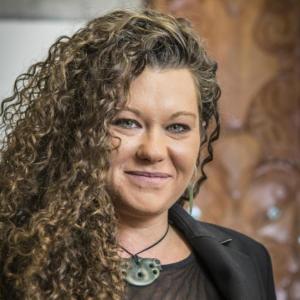
Sacha brings a serial entrepreneur’s approach to working with and for Iwi Māori. From instigating United Nations proceedings to architecting a Māori social enterprise fund and leading commercial negotiations, she is known for solution-building that meets Iwi Māori aspirations.
Before coming to UC, Sacha was the director of a boutique consultancy working with Iwi Māori in strategy development, kaupapa Māori asset management and innovation and the General Manager Strategy and influence with Te Rūnanga o Ngāi Tahu, responsible for government relations on behalf of the Iwi.
Recognised as an emerging New Zealand leader, Sacha won the inaugural Fulbright Harkness Fellowship in 2010. Sacha is a change agent and compliments her varied background with a desire to support and grow the next generation of Māori scholars. Initiatives like the Māui lab are a product of that intent and just one of the many innovations that Sacha intends to bring through Aotahi in the years to come.
Sacha is researching in the areas of:
• Iwi Māori development, innovation and entrepreneurship
• Iwi Māori futures, social and cultural capital
• Comparative approaches to Indigenous peoples
• Public policy
 Dr Lynne Russell
 works as a Senior Research Fellow - Maori Health with the Health Services Research Centre (HSRC) at…
Dr Lynne Russell
Dr Lynne Russell works as a Senior Research Fellow - Maori Health with the Health Services Research Centre (HSRC) at…
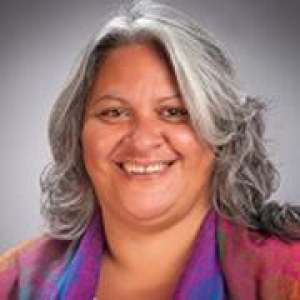
Dr Lynne Russell
Dr Lynne Russell works as a Senior Research Fellow - Maori Health with the Health Services Research Centre (HSRC) at Victoria University of Wellington. Much of her professional and academic work has centred around the Indigenous knowledge and healing practices used in recovery from trauma associated with mental distress, suicide loss and self-harm. She describes herself as an writer, activist and public speaker stirred by cultural resilience, social justice, Indigenous and LGBTI rights, and the amplification of voices more readily silenced in society.
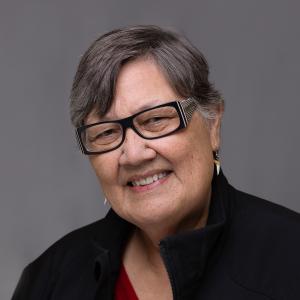
 Dr Keri-Anne Wikitera
Dr Keri Wikitera is a Senior Lecturer in the School of Hospitality and Tourism. Her Māori tribal affiliation is…
Dr Keri-Anne Wikitera
Dr Keri Wikitera is a Senior Lecturer in the School of Hospitality and Tourism. Her Māori tribal affiliation is…
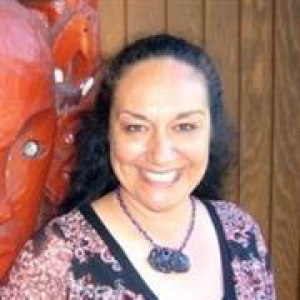
Dr Keri-Anne Wikitera
Dr Keri Wikitera is a Senior Lecturer in the School of Hospitality and Tourism. Her Māori tribal affiliation is Tūhourangi, Ngāti Whakaue of Te Arawa. Keri's personal and academic interests are specifically positioned within promoting and enhancing indigenous tourism development, intercultural exchange, Māori cultural identity, Māori economic development and management studies.
 David Hakaraia
David is the Programme Director - First Year Design at the School of Design. He gained his qualification for Victoria…
David Hakaraia
David is the Programme Director - First Year Design at the School of Design. He gained his qualification for Victoria…
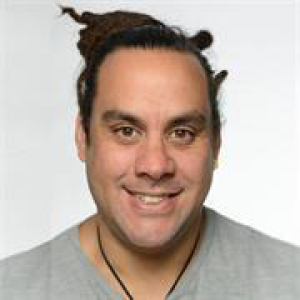
David Hakaraia
David is the Programme Director - First Year Design at the School of Design. He gained his qualification for Victoria University of Wellington
 Dr Mike Ross
Mike is a lecturer at Te Kawa a Māui, where he teaches courses on Māori language and customs.
Dr Mike Ross
Mike is a lecturer at Te Kawa a Māui, where he teaches courses on Māori language and customs.
Dr Mike Ross
Mike is a lecturer at Te Kawa a Māui, where he teaches courses on Māori language and customs.
 Dr Tina Makereti
 has a PhD and Masters in Creative Writing from the International Institute of Modern Letters. She is a…
Dr Tina Makereti
Dr Tina Makereti has a PhD and Masters in Creative Writing from the International Institute of Modern Letters. She is a…
Dr Tina Makereti
Dr Tina Makereti has a PhD and Masters in Creative Writing from the International Institute of Modern Letters. She is a novelist, essayist, curator and short fiction writer. Her first novel, Where the Rēkohu Bone Sings (Vintage, 2014) has been described as a New Zealand classic and 'a remarkable first [book that] spans generations of Moriori, Māori and Pākehā descendants as they grapple with a legacy of pacifism, violent domination and cross-cultural dilemmas.' It was longlisted for the Dublin Literary Award 2016 and won the 2014 Ngā Kupu Ora Aotearoa Māori Book Award for Fiction.
Her short story collection, Once Upon a Time in Aotearoa (Huia Publishers, 2010), which combines mythological and contemporary stories, also won the Ngā Kupu Ora Māori Book Award for Fiction in 2011. Her latest novel, The Imaginary Lives of James Pōneke (Vintage, 2018) was longlisted for the Ockham NZ Book Awards Fiction Prize 2019 and the Dublin Literary Award 2020. In 2019 it was published in the UK by Eye & Lightning Books, and in audiobook by Aurora. A forthcoming film adaptation, from Taika Waititi and Carthew Neal's Piki Films, was announced in 2020. Tina is editor of an anthology of Māori and Pasifika fiction, Black Marks on the White Page (Vintage, 2017), with Witi Ihimaera. She has curated exhibitions on social and cultural history at Ngā Taonga Sound & Vision and the Courtenay Place Light boxes, and been guest curator for Verb Festival and Auckland Writers Festival.
At the Auckland Writers Festival Free Public Lecture in 2017 , Tina advocated for a more rich and representative house of New Zealand literature, which continues to be the goal of much of her research, teaching and writing. She has spoken about writing and Māori literature throughout New Zealand and in London, Edinburgh, Jamaica, Toronto, Taiwan and Frankfurt. In 2016 Tina won the Pacific Regional Commonwealth Short Story Prize with her story, 'Black Milk'. Other recognition includes the Royal Society of New Zealand Manhire Prize for Creative Science Writing 2009 (non-fiction), the Pikihuia Award for Best Short Story Written in English 2009, the 2014 Randell Cottage Writer in Residence and the 2016 Beatson Fellowship. She is currently working on her third novel and completing a collection of personal essays, titled This Compulsion in Us. Tina is of Ngāti Tūwharetoa, Te Ati Awa, Ngāti Rangatahi Pākehā and, according to family stories, Moriori descent.
 Dr Pania Te Maro
Ko Hikurangi te Maunga, Ko Waiapu te Awa, Ko Ngāti Porou te Iwi, Ko te Whānau a Pōkai te Hapū, Ko Te Kapa o Hinekōpeka…
Dr Pania Te Maro
Ko Hikurangi te Maunga, Ko Waiapu te Awa, Ko Ngāti Porou te Iwi, Ko te Whānau a Pōkai te Hapū, Ko Te Kapa o Hinekōpeka…
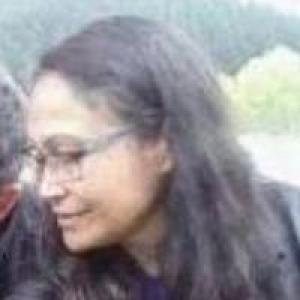
Dr Pania Te Maro
Ko Hikurangi te Maunga, Ko Waiapu te Awa, Ko Ngāti Porou te Iwi, Ko te Whānau a Pōkai te Hapū, Ko Te Kapa o Hinekōpeka te Tūrangawaewae, Ko Pōkai te Marae, Ko Pōhatu te Wharekai. Tēnā koutou, tēnā koutou, tēnā rā tātou katoa.
My main accomplishments to-date are my five children and (so far) eight mokopuna.
I am a senior lecturer/researcher in education with a main focus on mathematics education in relation to kaupapa and mātauranga Māori in kura.
My teaching career began in 1992 in a bilingual class, and carried on to teaching in rūmaki units, kōhanga reo, kura and wharekura. My tertiary teaching career began at Victoria University where I spent eight years mainly focusing on maths education and education for Māori. I moved to Massey University after spending six and a half years lecturing in teacher education at Te Whare Wānanga o Awanuiārangi, some masters classes, and some adult numeracy and te reo Māori teaching for bridging-to-nursing students. My main focus at Te Whare Wānanga o Awanuiārangi was teaching Pāngarau/maths and integration of curriculum area teaching and learning that centralises kaupapa and mātauranga Māori.
My PhD explored the relationships that kura communities have with mathematics education with a view to ensuring that kura have emancipated decision-making power to determine how kaupapa and mātauranga Māori are equitably privileged with kaupapa and mātauranga mathematics.
 Danny Poa
Mr Danny Poa is the Te Koronga Kaitiaki Kaupapa Manager at the University of Otago. Danny is also a member of the…
Danny Poa
Mr Danny Poa is the Te Koronga Kaitiaki Kaupapa Manager at the University of Otago. Danny is also a member of the…
Danny Poa
Mr Danny Poa is the Te Koronga Kaitiaki Kaupapa Manager at the University of Otago.
Danny is also a member of the Coastal People: Southern Skies collaboration that connects communities with world-leading, cross-discipline research to rebuild coastal ecosystems.
 Professor Jarrod Haar
 (PhD) is a Professor of Human Resource Management in the Department of Management and has tribal…
Professor Jarrod Haar
Professor Jarrod Haar (PhD) is a Professor of Human Resource Management in the Department of Management and has tribal…
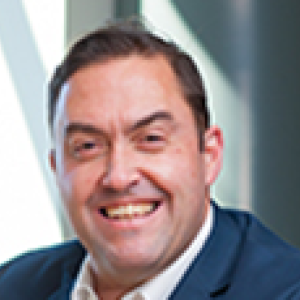
Professor Jarrod Haar
Professor Jarrod Haar (PhD) is a Professor of Human Resource Management in the Department of Management and has tribal affiliations of Ngati Maniapoto and Ngati Mahuta. In 2018, Professor Haar was appointed as a Member of the Marsden Fund Council and is the Convenor of the Marsden Economics and Human Behavioural Sciences panel. He is a Fellow of the Royal Society of New Zealand Te Apārangi (2020), a Research Fellow of the Australia & New Zealand Academy of Management (since 2012), and Chartered Fellow of the Human Resource Institute of New Zealand (HRINZ). He won the inaugural HRINZ HR Researcher of the Year Award in 2016. In April 2016, he became the Deputy Director of the NZ Work Research Institute.
In 2017, he won the Faculty of Business and Economics (AUT) Individual Researcher of the Year. He won AUTs premier award: The AUT Medal in 2021. His research approach spans broadly across a wide range of management topics, but with a strong focus on Human Resource Management and Organizational Behaviour.
Jarrod’s research falls into five clusters: (1) how employees manage their work, family, and life roles such as work-life balance; (2) the role of cultural factors in the workplace (especially for Māori) and mātauranga Māori in business; (3) team functioning and its influence on team member wellbeing and job outcomes; (4) leadership and its influence on followers; and (5) innovation/entrepreneurship.
Professor Haar has over 400 refereed academic outputs (including 130 journal articles) including Personnel Psychology, Journal of Vocational Behavior, Human Resource Management Journal, Journal of Occupational Health Psychology and The International Journal of Human Resource Management (amongst others). He has given 53 keynotes or invited presentations. He has won around $5 million in research grant funding and is also a named researcher on a $100 million National Science Challenge (Science for Technological Innovation).
Under the New Zealand Governments Research Performance ranking (PBRF scheme), Jarrod was ranked in the top 6% of New Zealand business researchers (Ranked A – world-class) for the past 12 years. He is an award-winning writer (10 best paper awards), an award-winning lecturer, and has a keen interest in mentoring and publishing with PhD students and junior colleagues. Jarrod is a strong quantitative researcher and enjoys mentoring students and colleagues towards publishing research (including high-ranked journal articles). He has a strong combination of research, supervision, teaching, and service excellence (e.g., Research Centre Director, promotion committees and appointment committees) and brings a high-level focus on research and publications including the timing of PBRF rounds. He does this in a relaxed, informal and fun manner – especially as he likes to collaborate with colleagues and students. He has 16 successful PhD completions (10 as Chief Supervisor) and 5 current PhD students. He has over 60 Master’s students. He has examined 28 PhD theses and 18 Masters theses.
 Dr Simon Hills
The overarching theme of my research is understanding the composition, distribution and evolutionary history of New…
Dr Simon Hills
The overarching theme of my research is understanding the composition, distribution and evolutionary history of New…
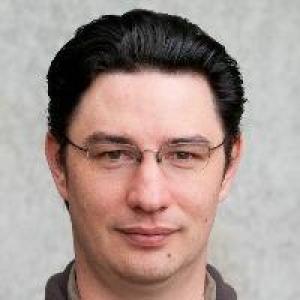
Dr Simon Hills
The overarching theme of my research is understanding the composition, distribution and evolutionary history of New Zealand’s unique ecosystems. My primary focus is the rich, and largely endemic, marine mollusc fauna. However, I apply my broadly ranging expertise in genomics, ecology and evolutionary biology, to a diverse range of research topics involving New Zealand’s biodiversity, both native and exotic.
As a Māori scientist, I am increasingly focused on research collaborations with iwi/hapu. These projects generally involve working with Māori communities to build capacity and generate data that will inform enhanced kaitiakitanga.
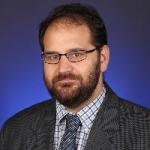 Dr Matthew Roskruge
Matthew Roskruge (Te Atiawa, Ngāti Tama) is codirector of Te Au Rangahau and a Senior Lecturer in the School of…
Dr Matthew Roskruge
Matthew Roskruge (Te Atiawa, Ngāti Tama) is codirector of Te Au Rangahau and a Senior Lecturer in the School of…
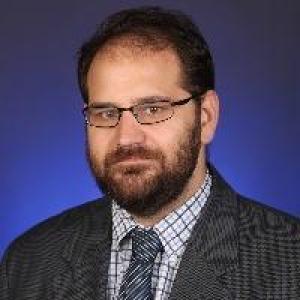
Dr Matthew Roskruge
Matthew Roskruge (Te Atiawa, Ngāti Tama) is codirector of Te Au Rangahau and a Senior Lecturer in the School of Economics and Finance. He has an academic background in health and population economics, and researchers broadly as an applied economist and social scientist. His current research projects include:
- Māori economics & mixed-methods
- Social capital and wellbeing research
- Effective health systems and service delivery; Health Economics
- Population, labour and regional economics
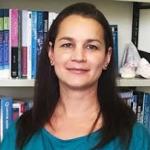 Dr Natasha Tassell-Matamua
Natasha Tassell-Matamua is a senior lecturer in the School of Psychology at Massey University, where she teaches in the…
Dr Natasha Tassell-Matamua
Natasha Tassell-Matamua is a senior lecturer in the School of Psychology at Massey University, where she teaches in the…
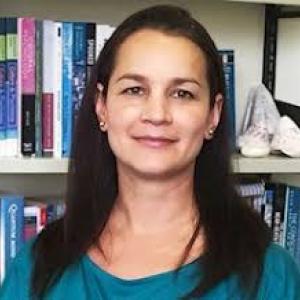
Dr Natasha Tassell-Matamua
Natasha Tassell-Matamua is a senior lecturer in the School of Psychology at Massey University, where she teaches in the area of cultural psychology. Her research platform encompasses two primary threads: Indigenous Psychology with a focus on mātauranga Māori as it relates to: ethics, spirituality, well-being, and the environment - and also Exceptional Human Experiences with a particualr focus on near-death experiences [NDEs].
 Dr Jordan Waiti
Jordan started as a lecturer within Te Hautaki Waiora Faculty of Health, Sport and Human Performance at the University…
Dr Jordan Waiti
Jordan started as a lecturer within Te Hautaki Waiora Faculty of Health, Sport and Human Performance at the University…
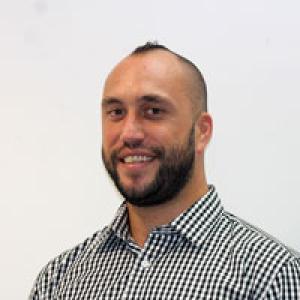
Dr Jordan Waiti
Jordan started as a lecturer within Te Hautaki Waiora Faculty of Health, Sport and Human Performance at the University of Waikato in early 2018. Previously, he was a Māori Health Consultant based out of Whaingaroa/Raglan.
He completed his PhD at Massey University, which focussed on Māori notions of ‘Resilience’ and how they are utilised by whānau who had experienced adversity. He has Honours and Masters degrees from Otago University, with research expertise that is broadly based in the area of Māori Health. He has also been a volunteer facilitator for the Te Taitimu Youth Trust in Hawkes Bay.
 Dr Adreanne Ormond
Adreanna is a Senior Lecturer in Te Kura Māori in the Faculty of Education. Her research interests include youth…
Dr Adreanne Ormond
Adreanna is a Senior Lecturer in Te Kura Māori in the Faculty of Education. Her research interests include youth…
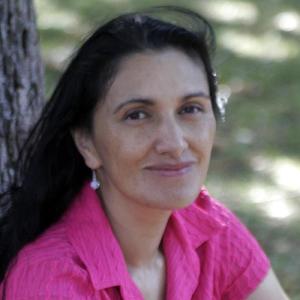
Dr Adreanne Ormond
Adreanna is a Senior Lecturer in Te Kura Māori in the Faculty of Education. Her research interests include youth, education, and health as well as Māori development with a specific interest in Indigenous – ethnic minority youth and how existent issues within the community influence life experience and the articulation of that experience.
Historically her research is conducted through a sociological consideration of social injustice issues and deploys qualitative and critical research methodologies which include the Indigenous epistemology Kaupapa Māori. She is grounded in her community Te Mahia where she grew up on the whānau farm and like many other Indigenous scholars she supports her community by acting as an advocate for our Indigenous rights and liaising between her people and various institutions, leading and participating in research and writing projects and mentoring the younger generation.
 Dr Arama Rata
Arama is of Ngāti Maniapoto, Taranaki, and Ngāruahine descent. She completed her PhD in Psychology at…
Dr Arama Rata
Arama is of Ngāti Maniapoto, Taranaki, and Ngāruahine descent. She completed her PhD in Psychology at…
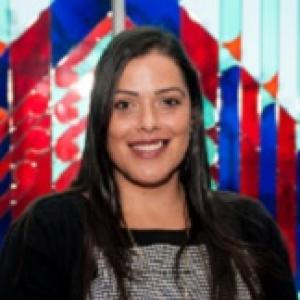
Dr Arama Rata
Arama is of Ngāti Maniapoto, Taranaki, and Ngāruahine descent. She completed her PhD in Psychology at Victoria University of Wellington in 2012, which focused on Māori cultural engagement, identity, and psychological well-being in State secondary schools.
Arama then lectured at Te Kawa a Māui (the School of Māori Studies), where she received a Research Establishment Grant to study Māori collective remembering of the New Zealand Wars.
Dr Rata is currently involved with research relating to Māori health experiences, Māori in rural communities, as well as iwi consultancy.
 Dr Tia Neha
Tia is a lecturer at the school of psychology, Victoria University of Wellington. Her research interests include four…
Dr Tia Neha
Tia is a lecturer at the school of psychology, Victoria University of Wellington. Her research interests include four…
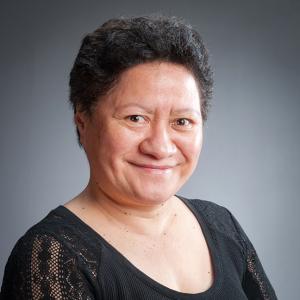
Dr Tia Neha
Tia is a lecturer at the school of psychology, Victoria University of Wellington. Her research interests include four key areas, broadly linked and overarched by relationships within Māori and Indigenous Developmental Psychology.
These areas include:
- Indigenous and developmental psychology in the interdependent relations between whānau and their children’s learning
- Autobiographical memory with whanau
- Language research
- Māori pediatric health
 Associate Professor Sonja Macfarlane
Sonja’s research interest’s focus on the importance of culturally responsive, evidence based approaches in education…
Associate Professor Sonja Macfarlane
Sonja’s research interest’s focus on the importance of culturally responsive, evidence based approaches in education…
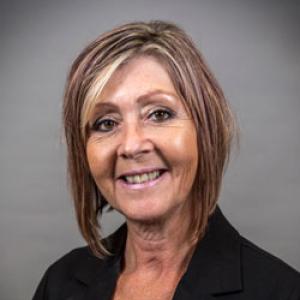
Associate Professor Sonja Macfarlane
Sonja’s research interest’s focus on the importance of culturally responsive, evidence based approaches in education, psychology, counselling, health and human development in order to enhance the social, cultural, educational and health outcomes that are achieved by Māori.
The importance of exploring 'what works well' for Māori as a pathway to responding to disparity and unlocking potential guides most of her research endeavours. She argues that many of the solutions for reducing such disparities actually reside in 'te ao Māori' (the Māori world, which includes Māori knowledge, protocols and practices). Strength-based, restorative and holistic approaches to individual and collective wellbeing are drawn on to support the development of such responses in contemporary times.
 Dr Farah Palmer
Farah research interests include gender issues in sport from a sociological or kaupapa Māori perspective, diversity…
Dr Farah Palmer
Farah research interests include gender issues in sport from a sociological or kaupapa Māori perspective, diversity…
Dr Farah Palmer
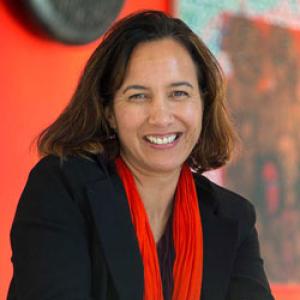
Farah research interests include gender issues in sport from a sociological or kaupapa Māori perspective, diversity issues in sport management and leadership and Māori leadership and governance in sport and business.
She is a senior lecturer at the School of Management, Massey University coordinating a number of courses including Fundamentals of Leadership and Teamwork. She is on the board of NZ Rugby and is an former world cup winning captain of the Black Ferns.
 Tame Malcolm
Tame has more than a decades experience in environmental management roles in the Bay of Plenty, Waikato, Canterbury and…
Tame Malcolm
Tame has more than a decades experience in environmental management roles in the Bay of Plenty, Waikato, Canterbury and…
Tame Malcolm
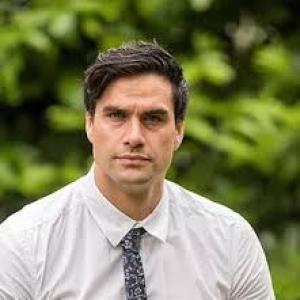
Tame has more than a decades experience in environmental management roles in the Bay of Plenty, Waikato, Canterbury and Marlborough regions. This has included working for OSPRI (TB Free), Waikato Regional Council, Department of Conservation (Waikato) and most recently the Maori Biosecurity Network.
His is a member of the Bay of Plenty Conservation Board, is on the Advisory Board for Biological Heritage National Science Challenge, was interim executive of Te Tira Whakamataki (Maori Biosecurity Network), and is a member of the Royal Society.
 Dr Jamie Newth
Jamie is a lecturer in Management and International Business at the Faculty of Business and Economics, University of…
Dr Jamie Newth
Jamie is a lecturer in Management and International Business at the Faculty of Business and Economics, University of…
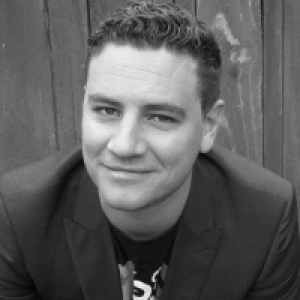
Dr Jamie Newth
Jamie is a lecturer in Management and International Business at the Faculty of Business and Economics, University of Auckland. He is also the CEO of Soul Capital, which invests in social enterprises and social business in Aotearoa New Zealand.
He is a board member on the National Advisory Board for Impact Investment, on Connect: Supporting Recovery, on Social Enterprise Auckland and works as a consultant on Business Model Innovation, Strategy and Social Innovation and Entrepreneurship.
 Dr Kiri Dell
Kiri is a lecturer in property in the Faculty of Business and Economics at the University of Auckland. Her teaching…
Dr Kiri Dell
Kiri is a lecturer in property in the Faculty of Business and Economics at the University of Auckland. Her teaching…
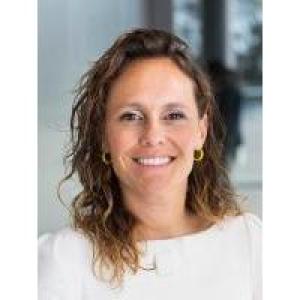
Dr Kiri Dell
Kiri is a lecturer in property in the Faculty of Business and Economics at the University of Auckland. Her teaching focuses on Māori land issues and Māori entrepreneurship and business development. Kiri’s research and areas of expertise focuses on competitive Māori strategy, Māori economics and Māori business.
 Dr Rāwiri Tinirau
Rawiri is a graduate of Massey University and Co-Director of Te Atawhai o te Ao. He was previously Project Manager for…
Dr Rāwiri Tinirau
Rawiri is a graduate of Massey University and Co-Director of Te Atawhai o te Ao. He was previously Project Manager for…
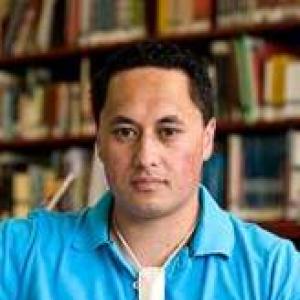
Dr Rāwiri Tinirau
Rawiri is a graduate of Massey University and Co-Director of Te Atawhai o te Ao. He was previously Project Manager for MANU AO with the responsibility of implementing key projects, such as the Leadership Course and Academic Forums.
Rawiri has expertise in Project management; Māori event management; Māori business and organisations; and Māori oral history. He has tribal affiliations to Te Āti Haunui-ā-Pāpārangi, Ngāti Rangi, Ngāti Tūwharetoa, Ngāti Kahungunu me Ngāi Tūhoe.
 Fiona Wiremu
Fiona is Chairperson of Te Puna Ora o Mataatua and Med Central (Whakatāne medical practice) and is also an executive…
Fiona Wiremu
Fiona is Chairperson of Te Puna Ora o Mataatua and Med Central (Whakatāne medical practice) and is also an executive…
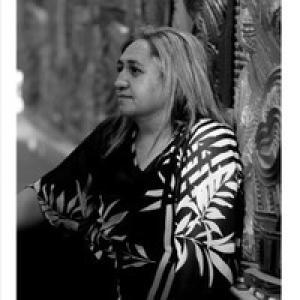
Fiona Wiremu
Fiona is Chairperson of Te Puna Ora o Mataatua and Med Central (Whakatāne medical practice) and is also an executive director at Te Whare Wānanga o Awanuiārangi. Her research interests are focused on Māori health outcomes and economic initiatives.
 Associate Professor Hinekura Smith
Dr Hinekura Smith (Te Rarawa, Ngāpuhi) is NPM's Emerging Researchers’ Leader, providing further national leadership and…
Associate Professor Hinekura Smith
Dr Hinekura Smith (Te Rarawa, Ngāpuhi) is NPM's Emerging Researchers’ Leader, providing further national leadership and…
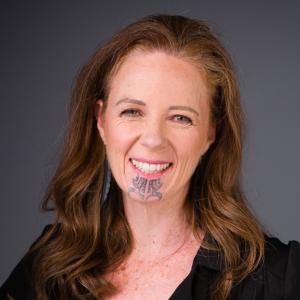
Associate Professor Hinekura Smith
Dr Hinekura Smith (Te Rarawa, Ngāpuhi) is NPM's Emerging Researchers’ Leader, providing further national leadership and coordination of MAI Te Kupenga and developing and nurturing initiatives that contribute to the outcomes and objectives of NPM’s Capability and Capacity Strategy.
Hinekura was initially a secondary school te reo Māori teacher then moved into teacher education research almost 10 years ago, when she commenced her postgraduate studies. She has worked as a professional development facilitator in Māori medium schools, te reo Māori facilitator in English-medium schools and a professional teaching fellow at Te Puna Wānanga, School of Māori and Indigenous Education. Since February 2017 she has been a lecturer and academic developer Māori at the Centre for Learning and Research in Higher Education, University of Auckland.
Her research grounded in kaupapa Māori theory, includes the reclamation and revitalisation of Māori language, culture and identity - particularly for Māori women and children as well as the development of qualitative Kaupapa Māori and art-based methodologies.
From 2018-2020 Hinekura is a co-Principal Investigator on a 2 year intercultural Ako Aotearoa project named He Vaka Moana, which is focused on developing and evaluating an inter-institutional Oceanic research fellowship to support Māori and Pasifika student success and retention.
 Dr Marama Muru-Lanning
Marama holds a PhD in Anthropology from the University of Auckland. She is a Senior Research Fellow and Acting…
Dr Marama Muru-Lanning
Marama holds a PhD in Anthropology from the University of Auckland. She is a Senior Research Fellow and Acting…
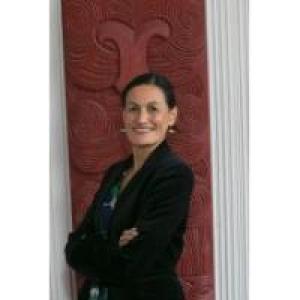
Dr Marama Muru-Lanning
Marama holds a PhD in Anthropology from the University of Auckland. She is a Senior Research Fellow and Acting Director at the James Henare Māori Research Centre. Marama also advises on elderly health projects in the School of Population Health. Her research is primarily concerned with debates and critical challenges in social anthropology where she focuses on the cultural specificity of iwi-Māori and their unique sense of place and belonging in New Zealand. What distinguishes Marama nationally as a social scientist is her specialization in water, environment and indigenous rights. She currently holds a Royal Society Marsden Research Grant, is on the Board of the Association for Social Anthropology in Oceania and is a Council member of the Journal of the Polynesian Society, New Zealand’s oldest scholarly journal.
Her book Tūpuna Awa: People and Politics of the Waikato River, was published by Auckland University Press in 2016. Marama was awarded a Visiting Chilean Research Fellowship in 2015 and has conducted research with scholars from Pontificia Catolica Universidad examining the impacts of increased privatised geothermal and hydro electricity generation on Mapuche who reside in the Araucania of Chile. She also has research collaborations with other University of Auckland scholars that involve improving the water quality of New Zealand Rivers and investigating the resilience of Maori buildings.
Marama is from Turangawaewae Marae and is of Waikato and Ngati Maniapoto descent.
 Melanie Mark-Shadbolt
Melanie is an Indigenous environmental sociologist, and the Māori Research Manager – Kaiārahi for the Bio-Protection…
Melanie Mark-Shadbolt
Melanie is an Indigenous environmental sociologist, and the Māori Research Manager – Kaiārahi for the Bio-Protection…
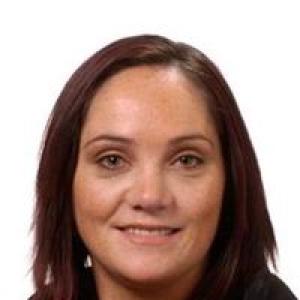
Melanie Mark-Shadbolt
Melanie is an Indigenous environmental sociologist, and the Māori Research Manager – Kaiārahi for the Bio-Protection Research Centre (a Centre of Research Excellence) based at Lincoln University.
She is also the Māori Manager for New Zealand’s Biological Heritage National Science Challenge, a founding member of Te Tira Whakamātaki; the Māori Biosecurity Network and a project leader and researcher in a number of National Science Challenge, Tertiary Education Commission and Ministry of Business, Innovation and Employment programmes including ‘Mātauranga Māori characterisation of NZ’s biodiversity,’ ‘Protecting NZ’s primary sector from plant pests: a toolkit for the urban battlefield,’ and ‘Protecting New Zealand from extreme fire.’
Since 2011 Melanie has been funded through various research institutes and government agencies to examine disaster risk reduction (DRR) and the effects of the Canterbury earthquakes on Māori communities, work that she believes links closely to the biosecurity sector. Melanie worked for Te Runanga o Ngāi Tahu and its education subsidiary Te Tapuae o Rehua from 2001-2008.
 Dr Phil Lyver
Phil’s research has used ecological science and indigenous and local knowledge to interpret changes in demographic…
Dr Phil Lyver
Phil’s research has used ecological science and indigenous and local knowledge to interpret changes in demographic…
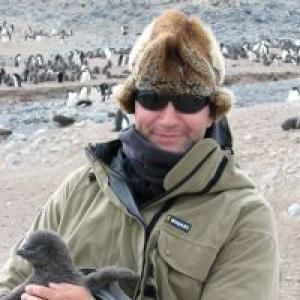
Dr Phil Lyver
Phil’s research has used ecological science and indigenous and local knowledge to interpret changes in demographic trends and abundance of wildlife populations (e.g. terrestrial and marine birds). The key focus of his research has been on climatic and anthropogenic (e.g. harvest) drivers of population change, and the development of models to forecast population trends. He has expertise in interpreting ecosystem structure and function within scientific and indigenous worldviews, in particular the ways that different cultures ‘sense’ the environment. Phil has experience interfacing both scientific and cultural frameworks to design and interpret biodiversity indicators for Māori resource users, scientists, policymakers, and government and non-government officials. Strong cross-cultural partnerships with indigenous people, especially Māori, are core to his research. Also of interest are the arrangements used by Māori and indigenous people internationally to achieve governance and management over their lands and natural resources.
For the last decade, Phil has worked as part of national and international multidisciplinary teams, comprising ecologists, modellers, social scientists, and school teachers. Outcomes include amendments to government policy resulting in the re-establishment of a customary harvest of grey-faced petrel chicks; presentation of principles and priorities for the future governance and management of Te Urewera; and the restoration of coastal forest ecosystems using palaeo-pollen records and mātauranga. His results contribute significantly to understanding biodiversity and ecology in New Zealand and Antarctica, and have been communicated through international and national peer-reviewed journals and conferences, community newsletters, TV and print media, school journals, and the NCEA Year 10–13 Geography curriculum.
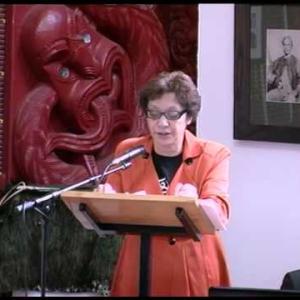
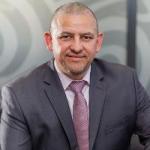 Dr Jason Paul Mika
Jason MIka is a senior lecturer and Co-Director of Te Au Rangahau, the Māori Business & Leadership Research. His…
Dr Jason Paul Mika
Jason MIka is a senior lecturer and Co-Director of Te Au Rangahau, the Māori Business & Leadership Research. His…
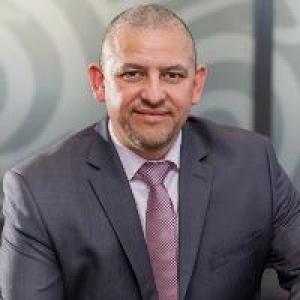
Dr Jason Paul Mika
Jason MIka is a senior lecturer and Co-Director of Te Au Rangahau, the Māori Business & Leadership Research. His research interests include indigenous entrepreneurship, management and methodologies.
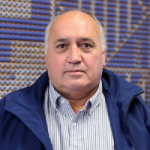 Dr Tony Trinnick
Tony’s research interests are broadly focused on a number of areas in the teaching and learning of mathematics in the…
Dr Tony Trinnick
Tony’s research interests are broadly focused on a number of areas in the teaching and learning of mathematics in the…
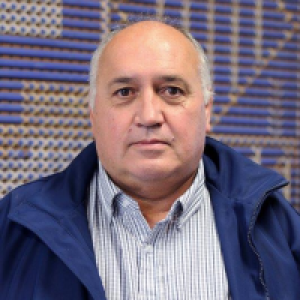
Dr Tony Trinnick
Tony’s research interests are broadly focused on a number of areas in the teaching and learning of mathematics in the medium of Maori.
This includes researching the complex relationship between te reo Maori and mathematics, particularly the development of the mathematics register and the teaching and learning of the register.
His research also focuses on student achievement in Maori medium mathematics and the factors that support and impinge on student progress.
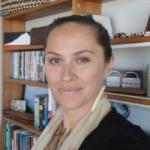
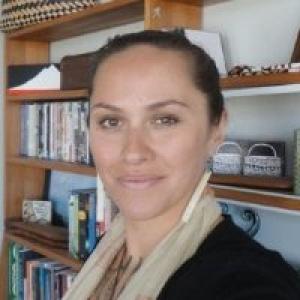
 Dr Matire Harwood
 (PhD, MBChB) lives in Auckland. Matire’s background is in primary health care and rangahau…
Dr Matire Harwood
Dr Matire Harwood (PhD, MBChB) lives in Auckland. Matire’s background is in primary health care and rangahau…
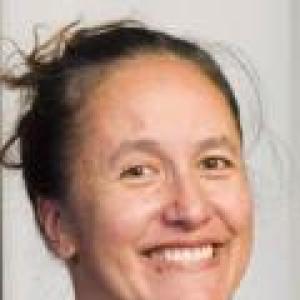
Dr Matire Harwood
Dr Matire Harwood (PhD, MBChB) lives in Auckland. Matire’s background is in primary health care and rangahau hauora Māori.
She is the Director for Tōmaiora, Māori Health Research, and Senior Lecturer at the Auckland Medical School; editor for the Māori Health Research Review; and GP Champion for Primary Care Health Targets at Counties Manukau DHB.
Dr Harwood sits on the Board and Māori Health Committee at the Health Research Council, and the Māori Advisory Committee for Auckland / Waitemata DHB.
Other recent roles include Clinical Director at Tamaki Healthcare PHO; Deputy Chair for Te ORA (Māori Medical Practitioners Association); previous member of the Asthma and Respiratory Foundation, and Health and Disability Ethics Committees.
 Professor Tahu Kukutai
Tahu is the incoming Co-Director of Ngā Pae o te Māramatanga and is Professor of Demography at the National Institute…
Professor Tahu Kukutai
Tahu is the incoming Co-Director of Ngā Pae o te Māramatanga and is Professor of Demography at the National Institute…
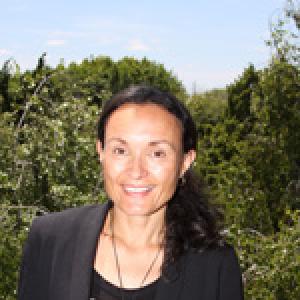
Professor Tahu Kukutai
Tahu is the incoming Co-Director of Ngā Pae o te Māramatanga and is Professor of Demography at the National Institute of Demographic and Economic Analysis, University of Waikato. She specialises in Māori and Indigenous demographic research and has written extensively on issues of Māori population change, Māori identity, official statistics and ethnic and racial classification.
She is a founding member of the Māori Data Sovereignty Network Te Mana Raraunga and the Global Indigenous Data Alliance. She co-edited the landmark book Indigenous Data Sovereignty: Toward an Agenda (ANU Press) and a forthcoming edited volume Indigenous Data Sovereignty and Policy (Routledge).Tahu has undertaken research for numerous iwi, Māori communities, and Government agencies, and is a member of the Chief Science Advisor Forum. She was formerly a journalist and has degrees in History, Demography and Sociology from The University of Waikato and Stanford University.
 Professor Margaret Mutu
 is of Ngāti Kahu, Te Rarawa, Ngāti Whātua and Scottish descent. She is the Professor of Māori…
Professor Margaret Mutu
Professor Margaret Mutu is of Ngāti Kahu, Te Rarawa, Ngāti Whātua and Scottish descent. She is the Professor of Māori…
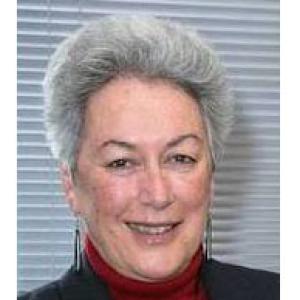
Professor Margaret Mutu
Professor Margaret Mutu is of Ngāti Kahu, Te Rarawa, Ngāti Whātua and Scottish descent. She is the Professor of Māori Studies at the University of Auckland where she teaches and conducts research on Māori language, tikanga (law), history and traditions, rights and sovereignty, Te Tiriti o Waitangi and treaty claims against the English Crown, constitutional transformation and Māori-Chinese encounters.
She holds a BSc in mathematics, an MPhil in Māori Studies, a PhD in Māori Studies specialising in linguistics and a DipTchg. She has published four books: a grammar of the `Ua Pou dialect of Marquesan (2002); the history and traditions of her hapū, Te Whānau Moana (2003); her collection of annual reviews of issues affecting Māori, The State of Māori Rights (2011); and Ngāti Kahu: Portrait of a Sovereign Nation, on the traditions, history and Tiriti o Waitangi claims of her iwi (nation), Ngāti Kahu (2017).
She has also published numerous articles and book chapters and is called on frequently by local, national and international media to provide information and expert commentary. Margaret is the chair of her iwi parliament, Te Rūnanga-ā-Iwi o Ngāti Kahu of the Far North and of two of her marae. She has been a mandated representative of Ngāti Kahu and of Māori in a number of national and international fora. She has three children, six grandchildren and a huge extended family.
 Dr Lisa Te Morenga
Lisa Te Morenga is a Research Fellow in the Department of Human Nutrition and is affiliated with the Riddet Institute –…
Dr Lisa Te Morenga
Lisa Te Morenga is a Research Fellow in the Department of Human Nutrition and is affiliated with the Riddet Institute –…
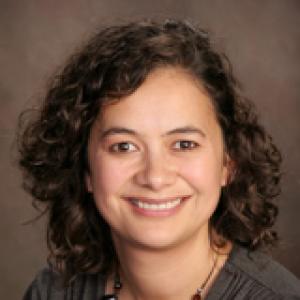
Dr Lisa Te Morenga
Lisa Te Morenga is a Research Fellow in the Department of Human Nutrition and is affiliated with the Riddet Institute – a National Centre of Research Excellence in food science and nutrition. Lisa works closely with Professor Jim Mann and collaborates with researchers associated with the Edgar National Centre for Diabetes and Obesity Research at the University of Otago Medical School. Her PhD was on “the effects of macronutrient composition on risk of diabetes” in 2010, both at the University of Otago.
Lisa’s primary motivation is to undertake research that is of direct benefit to Māori and thus focuses on the role of nutrition in the development of preventable diseases that inflict a particularly high health burden on the Maori community. She is actively engaged with Maori students and academic staff at the University of Otago and developing research relationships with Ngāti Whātua that are necessary to be able to contribute to kaupapa Maori health research.
Her research specialties include: Epidemiological studies, dietary intervention studies, and systematic review and meta-analyses examining the effects of macronutrient composition (including free sugars, dietary fibre, carbohydrates, fats and protein) on physiological endpoints associated with increased risk of preventable diseases including obesity, the metabolic syndrome, diabetes and cardiovascular disease. Primary macronutrient interests include dietary sugars, dietary fibre and dietary protein.
 Dr Hauiti Hākopa
Hauiti is a Postdoctoral Research Fellow based at Te Tumu - University of Otago and specialises in collecting…
Dr Hauiti Hākopa
Hauiti is a Postdoctoral Research Fellow based at Te Tumu - University of Otago and specialises in collecting…
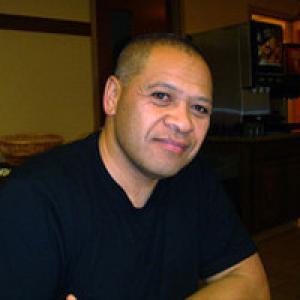
Dr Hauiti Hākopa
Hauiti is a Postdoctoral Research Fellow based at Te Tumu - University of Otago and specialises in collecting information about waahi tapu, waahi tipuna (sacred|cultural/heritage|ancestral sites), oral narratives (moteatea - traditional songs/chants, korereo purakau - stories) and whakapapa (genealogies) embedded in ancestral landscapes and uses modern GIS mapping technology to enhance this process.
 Associate Professor Linda Te Aho
Linda is the Associate Dean Māori at Te Piringa Faculty of Law, University of Waikato, and is co-editor of the Waikato…
Associate Professor Linda Te Aho
Linda is the Associate Dean Māori at Te Piringa Faculty of Law, University of Waikato, and is co-editor of the Waikato…
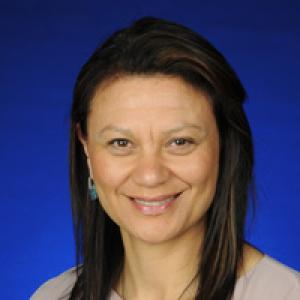
Associate Professor Linda Te Aho
Linda is the Associate Dean Māori at Te Piringa Faculty of Law, University of Waikato, and is co-editor of the Waikato Law Review. In 2014, Linda was appointed to provide expert technical advice on the proposed reforms to Te Ture Whenua Māori 1993 (the Māori Land Act).
In 2015, Linda was contracted to provide advice on the proposed reforms to the Resource Management Act. She was appointed by her iwi of Waikato-Tainui as a guardian mandated under the 2010 settlement for the co-management of the Waikato River ecosystem to develop the long term vision for its holistic restoration.
Linda served as a lead negotiator for Ngāti Koroki Kahukura Treaty Claims and continues to provides specialist advice on Treaty of Waitangi claims and Post-Settlement Governance issues to iwi and hapū organisations. She provides technical advice on Māori legal issues in relation to lands and freshwater to Iwi leaders, to Crown agencies and government departments.
 Dr Lily George
Lily gained her doctorate in social anthropology from Massey University in 2010, with research on Awataha Marae in…
Dr Lily George
Lily gained her doctorate in social anthropology from Massey University in 2010, with research on Awataha Marae in…
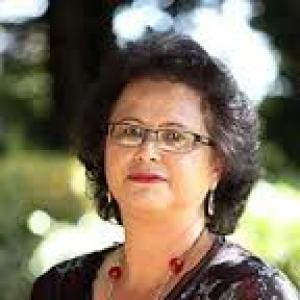
Dr Lily George
Lily gained her doctorate in social anthropology from Massey University in 2010, with research on Awataha Marae in Northcote, Auckland. The research explored innovation of Māori tradition through three periods of cultural renaissance.
She recently completed a Health Research Council Erihapeti Rehu-Murchie Postdoctoral Fellowship, based in the Research Centre for Māori Health & Development, Massey University. Her research investigated the life experiences of Māori women who have been incarcerated, ultimately to garner a better understanding of the multitude of factors which lead to incarceration, but which might also redirect lives toward more positive and fruitful endeavours.
Lily is also commited to the development and growth of indigenous anthropology, and contributing to an international network of indigenous scholars. At present she is engaged in supporting Māori student research and building community research capability, as well as working towards translating the findings of her postdoctoral research into practical action.
 Dr Katharina Ruckstuhl
Katharina is a Senior Research Analyst and Researcher at the University of Otago. She uses a kaupapa Māori framework to…
Dr Katharina Ruckstuhl
Katharina is a Senior Research Analyst and Researcher at the University of Otago. She uses a kaupapa Māori framework to…
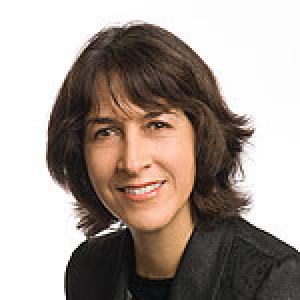
Dr Katharina Ruckstuhl
Katharina is a Senior Research Analyst and Researcher at the University of Otago. She uses a kaupapa Māori framework to focus on the translation of policy into practice for Māori. Her research is broad-ranging and includes Māori small and medium enterprises, Māori business innovation, Māori language, and Māori ‘social licence’ in the oil, gas and mining industries.
Katharina has governance, research and leadership roles for Ngāi Tahu at the tribal and local levels, and has been consulted on or involved in a number of regional economic development projects. She joined the University of Otago in 2008 after working for Te Rūnanga o Ngāi Tahu for five years as education manager and project consultant and worked with communities, local and central government agencies to implement Māori-focused initiatives throughout the South Island education sector. Prior to that, she had been in the teaching profession.
Dr Ruckstuhl completed her Honours degree and Ph.D. through the English Department at Otago. As well, she has post-graduate qualifications in Education through Massey University.
 Dr Karyn Paringatai
Karyn's research interests are in a number of areas that intersect at various points. These are: sociological issues…
Dr Karyn Paringatai
Karyn's research interests are in a number of areas that intersect at various points. These are: sociological issues…
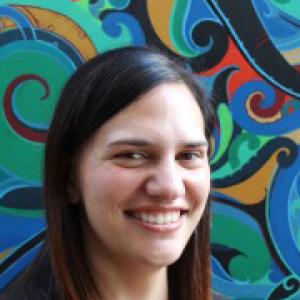
Dr Karyn Paringatai
Karyn's research interests are in a number of areas that intersect at various points. These are: sociological issues surrounding Māori urbanisation and Māori identity development and maintenance; Māori performing arts, particularly poi, the analysis of haka and waiata compositions and the role kapa haka plays in identity; grammatical aspects of the Māori language and second language acquisition; Māori language and Māori performing arts teaching methodologies.
She is a co-director of an Otago Research Theme, Poutama Ara Rau, alongside Professor Jacinta Ruru (Faculty of Law) and Associate Professor Suzanne Pitama (Christchurch Medical School). The aim of Poutama Ara Rau is to research how Māori knowledge and teaching and learning pedagogies can transform tertiary teaching to enhance student success.
 Dr Kahu McClintock
Kahu is the Manager Research at Te Rau Matatini. Kahu has worked in the health and disability sector for over 20 years…
Dr Kahu McClintock
Kahu is the Manager Research at Te Rau Matatini. Kahu has worked in the health and disability sector for over 20 years…
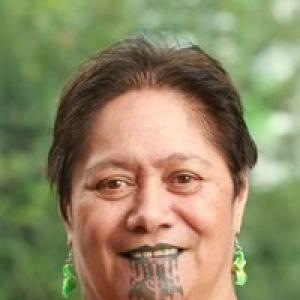
Dr Kahu McClintock
Kahu is the Manager Research at Te Rau Matatini. Kahu has worked in the health and disability sector for over 20 years, with a special focus on Māori health research and child and adolescent mental health.
Kahu holds a Dip Nursing (Psychiatric), Higher Dip Teaching, B Ed, M Phil (Māori), D Phil (Psychiatry). She was a Member of the Māori Health Committee, New Zealand Health Research Council from 2008 to 2014, and Chair of Ngā Kanohi Kitea Community Research Committee, New Zealand Health Research Council during that term, She is the lead for Te Rā o Te Waka Hourua
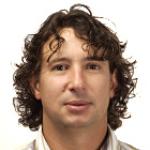 Dr John Pirker
John's fields of research include marine ecology, aquaculture and marine algae and his research interests centre around…
Dr John Pirker
John's fields of research include marine ecology, aquaculture and marine algae and his research interests centre around…
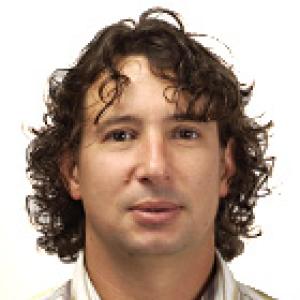
Dr John Pirker
John's fields of research include marine ecology, aquaculture and marine algae and his research interests centre around aquaculture.
His disciplines include ecology, evolution and behaviour within marine ecological systems and he belongs to the Māori Research Advisory Group (MRAG) and Marine Ecology Research Group (MERG)
 Veronica Tawhai
Ms Tawhai lectures in policy and politics at Te Pūtahi a Toi. A recent recipient of the Fulbright-Nga Pae o Te…
Veronica Tawhai
Ms Tawhai lectures in policy and politics at Te Pūtahi a Toi. A recent recipient of the Fulbright-Nga Pae o Te…
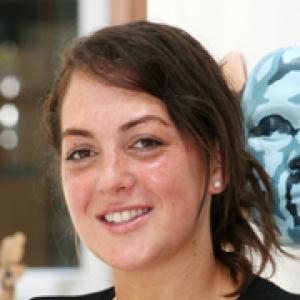
Veronica Tawhai
Ms Tawhai lectures in policy and politics at Te Pūtahi a Toi. A recent recipient of the Fulbright-Nga Pae o Te Maramatanga scholar award, Ms Tawhai's fields of research and community work include the Treaty of Waitangi, Māori and youth political engagement, constitutional change, and electoral, civics and citizenship education.
Veronica has co-edited two books, authored several papers and presents widely on these issues. She is a member of Matike Mai Aotearoa, the Independent Working Group on Constitutional Transformation and is completing her PhD on the role of citizenship education in transforming Indigenous-coloniser relations.
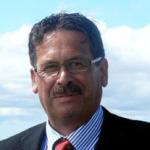 Professor John Broughton
John is responsible for the integration of Hauora Māori/oranga niho in the curriculum of the undergraduate Bachelor of…
Professor John Broughton
John is responsible for the integration of Hauora Māori/oranga niho in the curriculum of the undergraduate Bachelor of…
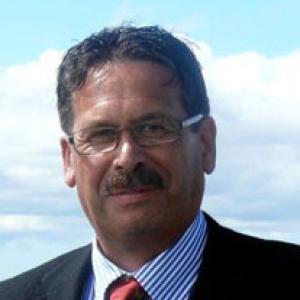
Professor John Broughton
John is responsible for the integration of Hauora Māori/oranga niho in the curriculum of the undergraduate Bachelor of Dental Surgery and the Bachelor of Oral Health. John is also the director of the Ngai Tahu Maori Research Unit within the Centre for Hauora Māori. The Unit was established in 1996 as a partnership between Te Runanga O Ngai Tahu and the Dunedin School of Medicine.
John has published widely on oranga niho. His PhD thesis topic was ‘Oranga niho: A review of Māori oral health service provision utilizing a kaupapa Māori methodology’. The thesis was originally submitted for the Master of Community Dentistry but on the recommendation of the examiners it was awarded the higher degree of a PhD. John has also published numerous papers and books on a number of aspects of hauora Māori including hauora rangatahi; hauora wahine; Kai paipa and Maori and Injury Prevention.
John established Te Whare Kaitiaki, a Māori oral health clinic for whanau within the Faculty of Dentistry in 1990, so it is now in its 23rd year of operation. One of his current responsibilities is the coordinator for the Faculty of Dentistry final year dental student clinical placement with Māori oral health providers throughout the motu.
 Associate Professor Joanne Baxter
Joanne is a public health medicine specialist with research interests in Māori health workforce development, Māori…
Associate Professor Joanne Baxter
Joanne is a public health medicine specialist with research interests in Māori health workforce development, Māori…
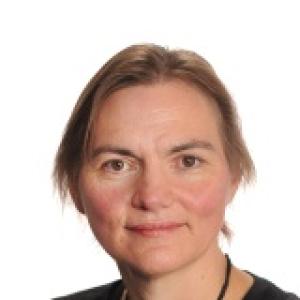
Associate Professor Joanne Baxter
Joanne is a public health medicine specialist with research interests in Māori health workforce development, Māori mental health, Māori child and youth health, hazardous drinking among tertiary students and health inequalities.
Joanne has current research collaborations with the Injury Prevention Research Unit (Hazardous drinking project) and the New Zealand Mental Health Epidemiology Survey team.
She is also the Theme Leader for Māori Health in the Dunedin longitudinal study, a multidisciplinary, longitudinal study of 1,037 babies born in Dunedin during 1972–3. The Study members have been followed up since birth, at age three, then every two years to age 15, at ages 18, 21 and 26, and most recently at age 32. Her involvement with the Study began at the age 32 assessments when she led the New Zealand Society, Identity and Health aspects of the study
Joanne has two key positions in the University of Otago: within the Dunedin School of Medicine she is the Associate Dean (Māori) and Associate Professor of Māori Health; within the Division of Health Sciences she is the Associate Dean (Māori) for the Division and also the Director of the Māori Health Workforce Development Unit.
 Associate Professor Jo Smith
Jo's research examines the socio-political power of media technologies with a primary focus on how colonial histories…
Associate Professor Jo Smith
Jo's research examines the socio-political power of media technologies with a primary focus on how colonial histories…
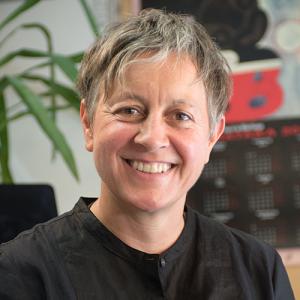
Associate Professor Jo Smith
Jo's research examines the socio-political power of media technologies with a primary focus on how colonial histories inform contemporary media practices. She has developed her research profile across three interrelated fields (Indigenous, Postcolonial, and Settler Colonial Studies) to ask new questions about the ways in which media technologies, institutions and aesthetic practices help shape notions of identity, nationhood and community.
Her research interests include Māori Television; Postcolonial Media Cultures; Indigenous Film and Media; Race and Ethnicity; Media, Subjectivities and Identities.
 Dr Hinemoa Elder
 is a mother of two from Ngāti Kuri, Te Rarawa, Te Aupouri and Ngāpuhi nui tonu. She works as a Child…
Dr Hinemoa Elder
Dr Hinemoa Elder is a mother of two from Ngāti Kuri, Te Rarawa, Te Aupouri and Ngāpuhi nui tonu. She works as a Child…
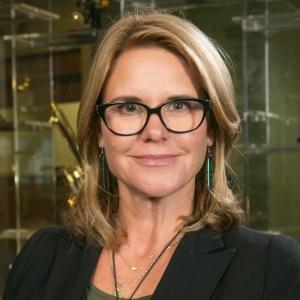
Dr Hinemoa Elder
Dr Hinemoa Elder is a mother of two from Ngāti Kuri, Te Rarawa, Te Aupouri and Ngāpuhi nui tonu. She works as a Child and Adolescent Psychiatrist in private practice. She is a deputy member of the Mental Health Review Tribual and on the list of Medical Consultants under the Intellectual Disability Compulsory Care and Rehabilitation Act 2003.
Dr Elder provides neuropsychiatric assessment and treatment for tamariki, taiohi and their whānau who have experienced traumatic brain injury (TBI) via ACC. Dr Elder's focus is the development of a tikanga-centred approaches for tamariki who have experienced TBI and their whānau. Dr Elder is currently a Professorial Fellow at Te Whare Wānanga o Awanuiārangi and holds an Eru Pomare Post-doctoral Fellowship from the Health Research Council of Aotearoa NZ.
 Dr Erica Williams
Erica (Te Arawa, Ngāti Whakaue, Ngāti Pikiao, Te Whānau ā Apanui) started at NIWA in 1995. After completing a…
Dr Erica Williams
Erica (Te Arawa, Ngāti Whakaue, Ngāti Pikiao, Te Whānau ā Apanui) started at NIWA in 1995. After completing a…
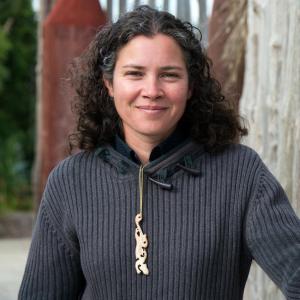
Dr Erica Williams
Erica (Te Arawa, Ngāti Whakaue, Ngāti Pikiao, Te Whānau ā Apanui) started at NIWA in 1995. After completing a MSc (University of Waikato) developing a blue mussel embryo-larval toxicity test, she spent a number of years in the NIWA freshwater fisheries team. Here she gained skills in fish population studies, the downstream migration adult eels and fish passage through culverts.
Her PhD (University of Auckland) investigated the effects of a group of contaminants called polycyclic aromatic hydrocarbons (PAHs) on shellfish. She is currently working on a wide range of projects spanning both the marine and freshwater environments within the National Centre of Māori Environmental Research.
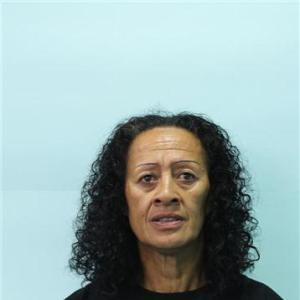
 Dr Ella Henry
Ella Henry has a background in Sociology, Māori Studies, Management Studies and Māori Development. Her PhD focused on…
Dr Ella Henry
Ella Henry has a background in Sociology, Māori Studies, Management Studies and Māori Development. Her PhD focused on…
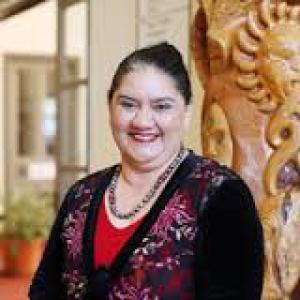
Dr Ella Henry
Ella Henry has a background in Sociology, Māori Studies, Management Studies and Māori Development. Her PhD focused on Māori entrepreneurship in screen production, and her Masters on Māori women and leadership.
Dr Henry has been actively involved in the Māori screen industry, serving as Chair of Nga Aho Whakaari, the Association of Māori in Screen Production.
 Dr Elana Taipapaki Curtis
 is a Public Health Physician currently working as Senior Lecturer Medical at Te Kupenga…
Dr Elana Taipapaki Curtis
Dr Elana Taipapaki Curtis is a Public Health Physician currently working as Senior Lecturer Medical at Te Kupenga…
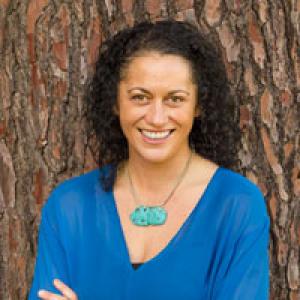
Dr Elana Taipapaki Curtis
Dr Elana Taipapaki Curtis is a Public Health Physician currently working as Senior Lecturer Medical at Te Kupenga Hauora Māori, University of Auckland.
She is Director Vision 20:20 which provides academic leadership of Hikitia Te Ora - Certificate in Health Sciences (bridging/foundation education for Māori and Pacific), Māori and Pacific Admission Scheme (MAPAS, admission and retention support for Māori and Pacific students) and the Whakapiki Ake Project (WAP, Māori recruitment).
In 2004-2005, Elana was a Harkness Fellow in Healthcare Policy based at the University of California (San Francisco) - investigating ethnic disparities in breast cancer mortality and survival. Prior to this, Elana worked at the National Screening Unit, Ministry of Health in Wellington where she investigated Maori:non-Maori disparities in breast cancer epidemiology, and at Te Ropū Rangahau Hauora ā Eru Pōmare – Māori Health Research Centre at the University of Otago investigating ethnic disparities in access to invasive cardiovascular procedures/caesarean sections and the relationship between disparities and deprivation.
She has recently submitted her Doctorate of Medicine (MD) focused on indigenous health workforce development and is involved in Kaupapa Māori Research investigating the teaching of indigenous health within medical education, ethnic inequities within emergency department settings, ethnic inequities in cardiovascular care and is developing a research focus exploring the prevalence of dementia amongst Māori.
 Associate Professor Donna Cormack
Donna has been involved in work on the collection and classification of ethnicity data in New Zealand, particularly as…
Associate Professor Donna Cormack
Donna has been involved in work on the collection and classification of ethnicity data in New Zealand, particularly as…
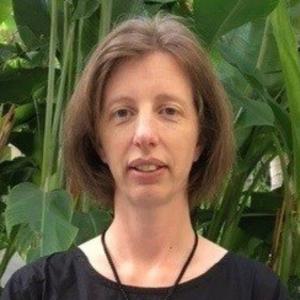
Associate Professor Donna Cormack
Donna has been involved in work on the collection and classification of ethnicity data in New Zealand, particularly as it relates to measuring and monitoring disparities. Most recently, Donna has been focused on work examining disparities in cancer outcomes and access to cancer services for Māori. She is involved in the Differential Colon Cancer Survival by Ethnicity in New Zealand project as well as Unequal Treatment: The Role of Health Services with Te Rōpū Rangahau Hauora a Eru Pōmare.
 Dr Dean Mahuta
Dean conducts research into traditional Māori knowledge, revitalisation of te reo Māori (the Māori language), Māori…
Dr Dean Mahuta
Dean conducts research into traditional Māori knowledge, revitalisation of te reo Māori (the Māori language), Māori…
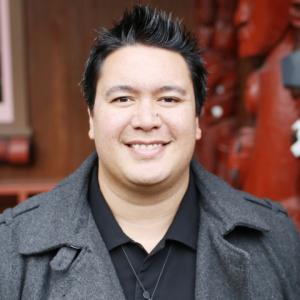
Dr Dean Mahuta
Dean conducts research into traditional Māori knowledge, revitalisation of te reo Māori (the Māori language), Māori history, the representation of Māori customs, language and lore in video games, Māori digital media and identities.
He also supervises a number of Masters and PhD students at AUT.
 Sir Hirini Moko Mead
Dr Hirini Moko Mead is a prominent Māori writer and commentator. Author of over 70 books, papers and articles, he was…
Sir Hirini Moko Mead
Dr Hirini Moko Mead is a prominent Māori writer and commentator. Author of over 70 books, papers and articles, he was…
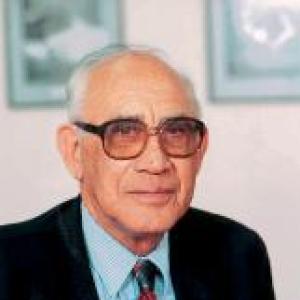
Sir Hirini Moko Mead
Dr Hirini Moko Mead is a prominent Māori writer and commentator. Author of over 70 books, papers and articles, he was Foundation Professor of Māori Studies at Victoria University and was closely involved in establishing the Māori university Te Whare Wānangā o Awanuiārangi in Whakatāne.
A scholar of rare expertise in Māori language and culture, Hirini was made a Distinguished Companion of the New Zealand Order of Merit in 2007 for his services to Māori and to education.
 Dr Carwyn Jones
Carwyn's primary research interests relate to the Treaty of Waitangi and indigenous legal traditions. Before…
Dr Carwyn Jones
Carwyn's primary research interests relate to the Treaty of Waitangi and indigenous legal traditions. Before…
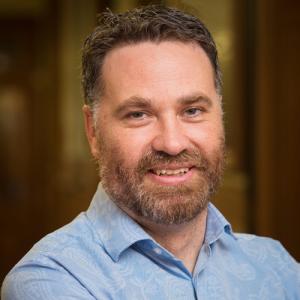
Dr Carwyn Jones
Carwyn's primary research interests relate to the Treaty of Waitangi and indigenous legal traditions. Before joining the faculty in 2006, Carwyn worked in a number of different roles at the Waitangi Tribunal, Māori Land Court, and the Office of Treaty Settlements.
He is the author of New Treaty, New Tradition – Reconciling New Zealand and Maori Law (UBC Press, May 2016) He is the Co-Editor of the Māori Law Review and maintains a blog, Ahi-kā-roa, on legal issues affecting Māori and other indigenous peoples.
Carwyn’s research is currently focused on a major project exploring the legal traditions of Ngati Kahungunu (see http://maorilaw.org/ ). He is also a member of a team of authors working on developing a comprehensive text addressing Maori dimensions of New Zealand law.
 Dr Bridgette Masters-Awatere
Bridgette's research speciality is in the area of indigenous evaluation research. She has lead, been a team member…
Dr Bridgette Masters-Awatere
Bridgette's research speciality is in the area of indigenous evaluation research. She has lead, been a team member…
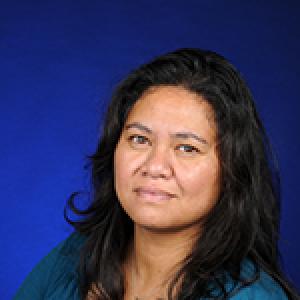
Dr Bridgette Masters-Awatere
Bridgette's research speciality is in the area of indigenous evaluation research. She has lead, been a team member, and/or supervised evaluations in the general area of indigenous social well-being.
Project research areas include: family violence; intimate partner relationships; women’s and children’s health; tobacco, alcohol, drug, use and reduction; positive learning environments (primary, secondary and tertiary institutions); cultural competency and evaluation training.
She has worked with different types of agencies from: Private, Public and not-for-Profit sectors.
 Dr Beverley Lawton
Dr Lawton (Ngāti Porou) trained at Otago medical school. She worked as a general practitioner in Newtown, Wellington…
Dr Beverley Lawton
Dr Lawton (Ngāti Porou) trained at Otago medical school. She worked as a general practitioner in Newtown, Wellington…
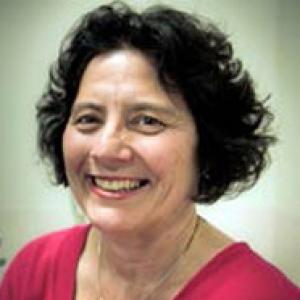
Dr Beverley Lawton
Dr Lawton (Ngāti Porou) trained at Otago medical school. She worked as a general practitioner in Newtown, Wellington for and co-founded the Wellington menopause clinic. These experiences lead to an interest in research to answer the many questions relevant to women’s health.
She joined the Department of General Practice and Primary Healthcare in 1998 which was followed by the establishment of the Women’s Health Research Centre. Bev was made an Officer of the New Zealand Order of Merit in 2004, for services to women’s health.
She is currently a member of the New Zealand Perinatal Maternal Mortality Committee and Member of the National Kaitiaki group for the cervical screening program.
Bev's areas of research interest include women’s health with specific focus on sexual and reproductive health, mid-life health and menopause, diabetes and heart disease risk, clinical trials, Māori Health and inequalities, Kaupapa Māori research, Maternal and infant health.
 Dr Armon J Tamatea
Armon Tamatea is a clinical psychologist who served as a clinician and senior research advisor for the Department…
Dr Armon J Tamatea
Armon Tamatea is a clinical psychologist who served as a clinician and senior research advisor for the Department…
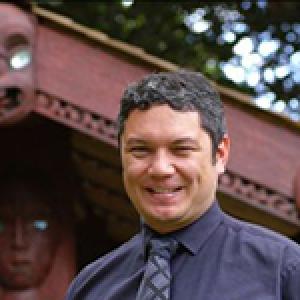
Dr Armon J Tamatea
Armon Tamatea is a clinical psychologist who served as a clinician and senior research advisor for the Department of Corrections (New Zealand) before being appointed senior lecturer in psychology at the University of Waikato. He has worked extensively in the assessment and treatment of violent and sexual offenders, and contributed to the design and implementation of an experimental prison-based violence prevention programme for high-risk offenders diagnosed with psychopathy.
Armon is principally involved in the post-graduate diploma of clinical psychology programme in the School of Psychology. His research interests include psychopathy, New Zealand gang communities, and exploring culturally-informed approaches to offender management. He is also New Zealand editor for Sexual Abuse in Australia and New Zealand: An Interdisciplinary Journal. Armon currently divides his professional time between teaching, research, supervision, and clinical practice in the criminal justice arena.
 Dr Heather Gifford
Heather is a trained nurse working in the field of child and family health, and has taught at a tertiary level in…
Dr Heather Gifford
Heather is a trained nurse working in the field of child and family health, and has taught at a tertiary level in…
Dr Heather Gifford
Heather is a trained nurse working in the field of child and family health, and has taught at a tertiary level in health services, as well as working as a manager with a Māori Development Organisation and in primary health care.
She has completed a Post Graduate Diploma in Public Health at Otago University, a Masters in Public Health from the same university and a PhD and Postdoctoral Fellowship with Te Pūmanawa Hauora, the Research Centre for Māori Health and Development, Massey University.
In collaboration with Ngāti Hauiti, Heather established Whakauae Research for Māori Health and Development, an iwi based research centre and from 2005 - 2016 she held the role of Research Centre Director.
In 2016 Heather assumed a senior advisory role and since then her research interests have concentrated on health service delivery and intervention, and the development of whānau, hapū and iwi based models to address Māori health issues, in particular tobacco control research with a focus on prevention and policy work.
 Associate Professor Māmari Stephens
Māmari completed an MA (Distinction) in Classical Studies, BA (Hons), and an LLB (Hons) at Victoria University. She…
Associate Professor Māmari Stephens
Māmari completed an MA (Distinction) in Classical Studies, BA (Hons), and an LLB (Hons) at Victoria University. She…
Associate Professor Māmari Stephens
Māmari completed an MA (Distinction) in Classical Studies, BA (Hons), and an LLB (Hons) at Victoria University. She then spent three and a half years at Russell McVeagh in Wellington working in the Māori legal team in the Corporate Advisory Group, latterly concentrating on ACC law.
Māmari has been with the Faculty of Law at Victoria University of Wellington since January 2006 and, with Assistant Professor Mary Boyce of the University of Hawai'i, runs the Legal Māori Project. The outputs of this project are available free online at www.legalmaori.net.
Her primary research interests are law and language, Māori and the New Zealand legal system, and social security law. She is currently working on a social security law textbook to be published by Thomson Reuters. This book is also being supported by a grant from the Law Foundation.
Research Interests
- The use of Māori language in legal contexts
- Māori and the New Zealand legal system
- NZ legal history and jurisprudence
- Social Security law (including ACC law)
- Criminal Law
- Treaty of Waitangi
 Dr John Reid
John is a Senior Research Fellow at the University of Canterbury’s Ngai Tahu Research Centre. He is a specialist in…
Dr John Reid
John is a Senior Research Fellow at the University of Canterbury’s Ngai Tahu Research Centre. He is a specialist in…
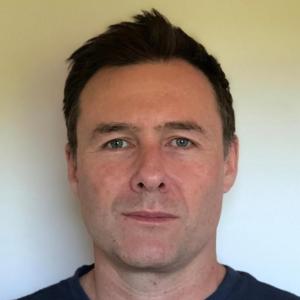
Dr John Reid
John is a Senior Research Fellow at the University of Canterbury’s Ngai Tahu Research Centre. He is a specialist in leading and developing multi-disciplinary research and development programmes focused on addressing interrelated social, economic, and environmental problems.
His research explores the way in which Indigenous and Western cultures shape identity, sense of place, and approaches to social and economic development.
John's current research interests are focused on sustainable development within indigenous tribal communities and in fostering novel approaches to development through engagement between Indigenous and Western ways of knowing.
He is currently working on the project Identifying Frameworks for Effective Iwi and Hapū Development with Associate Professor Merata Kawharu from the University of Otago.
 Dr Anne-Marie Jackson
Anne-Marie Jackson is a lecturer in Māori physical education and health at the University of Otago, and joined the…
Dr Anne-Marie Jackson
Anne-Marie Jackson is a lecturer in Māori physical education and health at the University of Otago, and joined the…
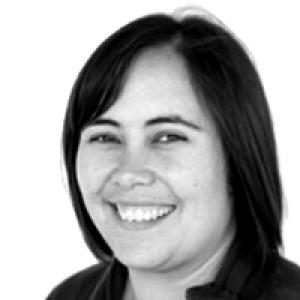
Dr Anne-Marie Jackson
Anne-Marie Jackson is a lecturer in Māori physical education and health at the University of Otago, and joined the School of Physical Education as an academic staff member in 2011.
After obtaining a Bachelor of Physical Education Honours degree majoring in Exercise Sport Science and a Master of Physical Education focusing on education policy at the School of Physical Education, she completed a doctorate in Māori studies and physical education examining rangatiratanga and Māori health and well-being within a customary fisheries context.
Her research focuses on the examination of Māori conceptualisations of physical education and health, rangatiratanga and the right to self-determination, the role of the Tiriti o Waitangi for Māori health and Māori approaches to research.
Anne-Marie is a member of the leadership group for the Sustainable Seas National Science Challenge and an associate investigator for Ngā Pae o te Māramatanga. She is an advisor to the East Otago Taiāpure Management Committee, a member of Hauteruruku Waka ki Puketeraki (Kāti Huirapa ki Puketeraki), a member of Te Houhanga-a-Rongo Marae Centenary Committee (Ngāti Whātua), a mentor and Futures Group member at Te Taitimu Trust (Ngāti Kahungunu) and a beginner crew member of Haunui Waka.
 Dr Anna Thompson (nee Carr)
Anna Thompson is a senior lecturer and course coordinator at the University of Otago. She serves as the Department…
Dr Anna Thompson (nee Carr)
Anna Thompson is a senior lecturer and course coordinator at the University of Otago. She serves as the Department…
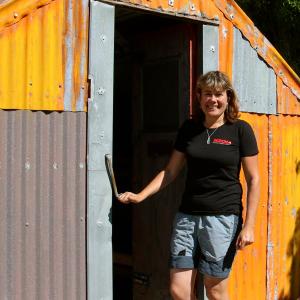
Dr Anna Thompson (nee Carr)
Anna Thompson is a senior lecturer and course coordinator at the University of Otago. She serves as the Department representative on the School's Undergraduate Advisory Group and the University of Otago Women's Development Programme. She is Kaiawhina Māori and on the Teaching and Learning Committee for the Tourism Department.
Anna has published internationally in peer reviewed academic journals and been invited as a chapter contributor to numerous edited books. Her current research interests are focused on the environmental management of tourism,indigenous business development, cultural landscapes, heritage tourism, Maori sport and leisure activities.
 Associate Professor Angela Wanhalla
Angela’s research focuses on the intersections between gender, race and sexuality in colonial history, with a specific…
Associate Professor Angela Wanhalla
Angela’s research focuses on the intersections between gender, race and sexuality in colonial history, with a specific…
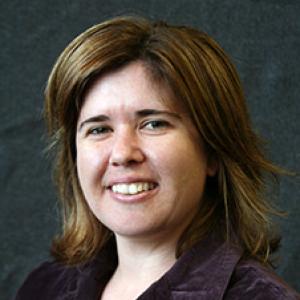
Associate Professor Angela Wanhalla
Angela’s research focuses on the intersections between gender, race and sexuality in colonial history, with a specific focus on the connections between race and intimacy within and across colonial cultures.
Between 2010-2012 she was co-investigator, with Professor Judy Bennett, on an archival and oral history-based research project concerned with exploring the fate of children born of American servicemen and indigenous women in the South Pacific Command during World War II. This project has resulted in a book, a website, and a documentary film.
Angela is a Partner Investigator on an Australian Research Council Discovery Project (2015-2018) on violence and intimacy in settler societies, she is an active member of the University of Otago’s Centre for Research on Colonial Culture a co-editor, of the New Zealand Journal of History and serves on the editorial boards of Australian Historical Studies and the Journal of Pacific History.
 Andrew Waa
Andrew (Anauru) is a Research Fellow with the Department of Public Health, at the University of Otago. He is a trained…
Andrew Waa
Andrew (Anauru) is a Research Fellow with the Department of Public Health, at the University of Otago. He is a trained…
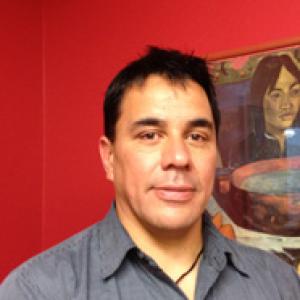
Andrew Waa
Andrew (Anauru) is a Research Fellow with the Department of Public Health, at the University of Otago. He is a trained social scientist with postgraduate degrees in Public Health.
His work has included evaluations of community, national and government level policies, programmes and services and has also lectured and developed aids for teaching evaluation methods. Andrew’s public health interests include Māori health, tobacco control, social marketing, nutrition and psychosocial recovery following disasters.
He is currently working on the Te Ara Auahi Kore (TAKe) research project which will provide much needed high quality evidence for addressing smoking disparities between Maori and non-Maori
 Dr Andrew Erueti
Andrew is currently a senior lecturer at Auckland University School of Law. Previously he has taught at the Law Schools…
Dr Andrew Erueti
Andrew is currently a senior lecturer at Auckland University School of Law. Previously he has taught at the Law Schools…
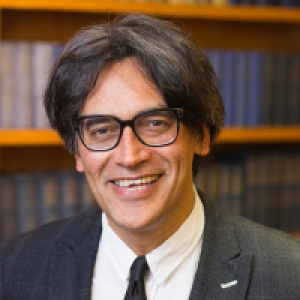
Dr Andrew Erueti
Andrew is currently a senior lecturer at Auckland University School of Law. Previously he has taught at the Law Schools of the University of Waikato and Victoria University of Wellington. Between 2008 and 2012 he was Amnesty International’s lead adviser on Indigenous rights based in London and Geneva and he was also lead counsel in the claim by Taranaki hāpu to Petroleum before the Waitangi Tribunal.
His primary area of research is in indigenous customary law and legal pluralism, and indigenous peoples’ rights in domestic and international law. His PhD thesis (defended in April 2016) examines the politics behind the drafting of the UN Declaration on the Rights of Indigenous Peoples and its implications for domestic application.
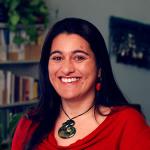 Dr Amohia Boulton
Dr Amohia Bolton is the Research Director at Whakaue Research for Māori Health & Development with a career that has…
Dr Amohia Boulton
Dr Amohia Bolton is the Research Director at Whakaue Research for Māori Health & Development with a career that has…
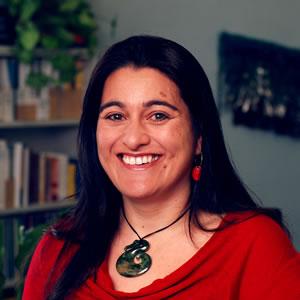
Dr Amohia Boulton
Dr Amohia Bolton is the Research Director at Whakaue Research for Māori Health & Development with a career that has spanned public policy and academia. She has previously worked as a data analyst (Ministry of Education) policy analyst, senior analyst (Te Puni Kōkiri) and Private Secretary (Māori Affairs) and was awarded an HRC Māori Health Training Fellowship to pursue doctoral study at Massey University in Palmerston North. Her post-doctoral research took her to the University of Northern British Columbia in Canada where she worked with the Lheidli T'enneh First Nations people.
Her research interests are in the fields of Māori health and mental health services, health governance, health reform, and the interface between health policy and service-level implementation. Her work to date has involved a number of evaluations of health systems and health services, including being a Principal Investigator on the Health Reforms 2001 Research Project, (a five year, HRC-funded evaluation) and, more recently the Evaluation of Multisystemic Therapy Alcohol and other Drug Services for the Hutt Valley District Health Board.
Amohia is currently a member of the Māori Health Committee of the Health Research Council of New Zealand and an Executive Member of the Health Services Research Association of Australia and New Zealand.
 Dr Amanda Black
Amanda’s research expertise is in environmental soil and water chemistry, focusing on major nutrient cycling, including…
Dr Amanda Black
Amanda’s research expertise is in environmental soil and water chemistry, focusing on major nutrient cycling, including…
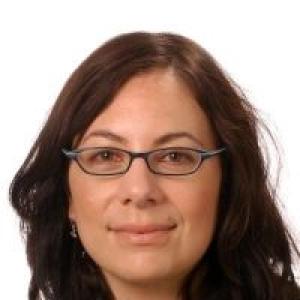
Dr Amanda Black
Amanda’s research expertise is in environmental soil and water chemistry, focusing on major nutrient cycling, including the incorporation of molecular techniques to explore the relationship between functional gene expression and soil product activity.
She has recently focused her research on ecosystem resilience in soils from managed and natural ecosystems, with a particular focus on investigating disease resistant traits (i.e. evidence of PTA resistance in kauri forests). She is also part of a Māori Biosecurity Focus Group, seconded by the Ministry for Primary Industries, and is funded by MBIE to establish a Māori biosecurity network.
Amanda completed her BSc (Geology) and MSc (Environmental Science) at the University of Otago, before working at the Otago Regional Council and then CRL Energy as a consultant. She returned to academia with an ESR doctoral scholarship to study soil chemistry at Lincoln University, and was awarded an MSI Postdoctoral Fellowship (TTP scheme) before being employed in 2013 as a lecturer within the Bio-Protection Research Centre.
 Associate Professor Carla Anne Houkamau
Carla Houkamau (PhD) is an Associate Professor in the Department of Management and International Business, the Director…
Associate Professor Carla Anne Houkamau
Carla Houkamau (PhD) is an Associate Professor in the Department of Management and International Business, the Director…
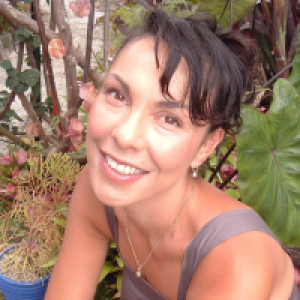
Associate Professor Carla Anne Houkamau
Carla Houkamau (PhD) is an Associate Professor in the Department of Management and International Business, the Director of the Mira Szászy Research Centre for Māori and Pacific Economic Development and the Associate Dean for Māori and Pacific Development for the Business School.
Carla is of Ngāti Porou, Ngāti Kahungunu, Ngāi Tahu and Pākehā descent. She holds a deep personal interest in the history of Māori-Pākehā relations and promoting cultural understanding. Her current research focuses mainly on intergroup relations, chiefly how group memberships influence attitudes and behaviour. Her publications typically examine how ethnicity helps reproduce socio-economic inequalities but can be leveraged to address them.
Reflecting her role in the Business School her work has broadened to include diversity management, identity economics and implicit bias. Her research using the Multidimensional Model of Māori identity and Cultural Engagement (MMM-ICE) has been recognised nationally and internationally for advancing ethnic identity research using psychometric measures and large samples.
 Dr Brad Combes
Brad's research focus is the participation of indigenous peoples in conservation management and environmental planning…
Dr Brad Combes
Brad's research focus is the participation of indigenous peoples in conservation management and environmental planning…
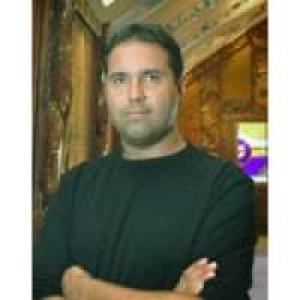
Dr Brad Combes
Brad's research focus is the participation of indigenous peoples in conservation management and environmental planning. This research focuses on the obstacles to establishing partnership approaches, and the appropriateness of comanagement, collaborative science and community-based management for resolving conservation conflicts.
He has been involved in several research projects which were commissioned to support the environmental claims of iwi (Maori tribes) before the Waitangi Tribunal. Those projects focus on the capacity of indigenous peoples to influence landscape change and halt environmental degradation through the planning process. They also emphasise the impacts of conservation on the communities which surround national parks, and the search for policies which attempt coexistence between conservation, development and Treaty rights.
He also has research interests in long-standing dilemmas in environmental management, conflicts about and approaches to promoting indigenous habitat protection and water quality control on private land, strategies to motivate the public to participate in environmental projects and community-based restoration projects throughout New Zealand.
 Professor Te Kani Kingi
Te Kani Kingi is Director of Te Mata o te Tau, The Academy for Māori Research and Scholarship at Massey University in…
Professor Te Kani Kingi
Te Kani Kingi is Director of Te Mata o te Tau, The Academy for Māori Research and Scholarship at Massey University in…
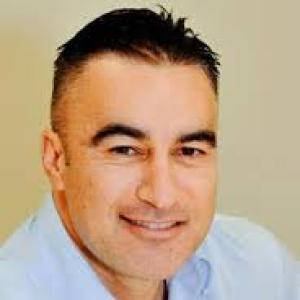
Professor Te Kani Kingi
Te Kani Kingi is Director of Te Mata o te Tau, The Academy for Māori Research and Scholarship at Massey University in Wellington. His specialist interests are in mental health research, psychometrics and Māori health.
He has been an executive member of the New Zealand Public Health Association, the Mental Health Advocacy Coalition, the National Ethics Advisory Committee, the National Health Committee and the Public Health Advisory Committee.
He currently sits on Statistics New Zealand’s Māori Advisory Group, the Pharmacy Council and is Chair of the Mental Health Commission’s Advisory Board. He was born and raised in Poroporo and attended St Stephens Māori Boys College in South Auckland. He has tribal affiliations to Ngāti Pukeko, Ngāti Awa and Ngāi Tai.
 Professor Tania Ka'ai
Professor Tania Ka‘ai has worked in tertiary education for over 20 years. As an Indigenous scholar Professor Ka‘ai…
Professor Tania Ka'ai
Professor Tania Ka‘ai has worked in tertiary education for over 20 years. As an Indigenous scholar Professor Ka‘ai…
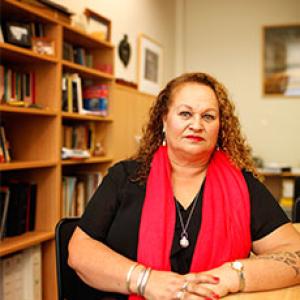
Professor Tania Ka'ai
Professor Tania Ka‘ai has worked in tertiary education for over 20 years. As an Indigenous scholar Professor Ka‘ai uses the cultural values transmitted to her by her elders and mentors as an epistemological framework which informs her own academic writing and teaching (including supervision) within the university academy.
Her work as Director of Te Ipukarea and Te Whare o Rongomaurikura, provides an opportunity to share her knowledge not only with students and staff at AUT and others nationally, but internationally too.
Professor Ka‘ai’s work with endangered and minority languages has taken her around the globe to showcase the research being undertaken within the Institute and the Centre.
Tania teaches in Indigenous research methodologies and her research focuses on language revitalisation strategies and in particular Māori and Pacific languages, Indigenous epistemologies and methodologies, and Māori education
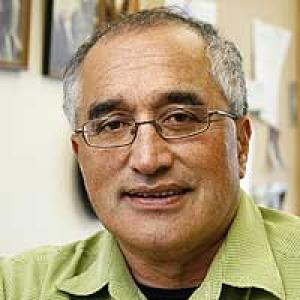
 Dr Rachel Wolfgramm
Rachel's training has been multi-disciplinary, incorporating the fields of organisation, consumption, leadership and…
Dr Rachel Wolfgramm
Rachel's training has been multi-disciplinary, incorporating the fields of organisation, consumption, leadership and…
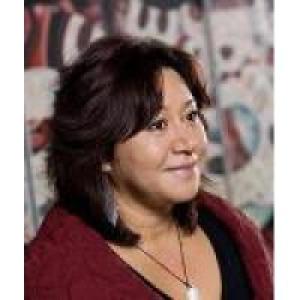
Dr Rachel Wolfgramm
Rachel's training has been multi-disciplinary, incorporating the fields of organisation, consumption, leadership and economic theory and practice. She has taught undergraduate and postgraduate courses in Management, Organisation Behaviour, Māori Enterprise, Sustainability, Business, Culture and Society, Business Ethics and Sustainability.
Rachel is currently investigating the “Romance of Sustainability; enchantment, illusion, entrapment and re-enchantment”. This is examined in the context of management, consumption and leadership theory and practice. She is also co-leading a longitudinal research project “Echoes from the future, status and sustainability in new lifestyle trends” and is supervising a cohort of postgraduate and doctoral students whose interests cohere around business in society and business futures.
Her research activity also includes Māori organisation and enterprise (with a recent focus on the dynamics of Māori careers and leadership in the creative industry), leadership for sustainability (with a specific focus on global initiatives involving universities) and spirituality at work.
Research interests: Sustainability, socio-economic trends, Māori organisation and enterprise.
 Dr Robert Joseph
Robert is a Barrister and Solicitor of the High Court of New Zealand and was a senior research fellow for the Te…
Dr Robert Joseph
Robert is a Barrister and Solicitor of the High Court of New Zealand and was a senior research fellow for the Te…
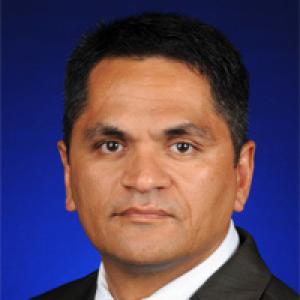
Dr Robert Joseph
Robert is a Barrister and Solicitor of the High Court of New Zealand and was a senior research fellow for the Te Mātāhauariki Research Institute at the University of Waikato under the leadership of Judge Michael Brown and Dr Alex Frame. Dr Robert Joseph was the second Māori in New Zealand - and the first Māori male - to graduate with a PhD in Law in 2006.
Robert's research interests are many and varied: the realisation of the Treaty of Waitangi rights and responsibilities, the interface of traditional Māori knowledge systems and western science; internal self-determination rights and responsibilities of Indigenous institutions; Canadian and North American Indigenous studies; treaty processes and post-settlement development; dispute resolution processes, particularly with respect to resolving disputes between different cultures; and Māori and Indigenous Peoples' governance in settler nation-states. He is currently writing a biography of his paternal tupuna (ancestors), who fought at the famous 1864 Battle of Orakau during the Waikato Wars.
 Garth Harmsworth
Garth is a senior environmental scientist based in Palmerston North and has worked for Landcare Research since 1992…
Garth Harmsworth
Garth is a senior environmental scientist based in Palmerston North and has worked for Landcare Research since 1992…
Garth Harmsworth
Garth is a senior environmental scientist based in Palmerston North and has worked for Landcare Research since 1992. His career spans over 28 years in resource management, land resource assessment, national environmental databases, GIS applications, and indigenous research. Garth pioneered much of the Māori led research in Manaaki Whenua-Landcare Research Ltd., working on a wide range projects with Māori organisations and regional councils throughout New Zealand, particularly in the areas of land use planning, ecosystem health, bio-physical and cultural indicators, restoring indigenous landscapes, climate change, sustainable iwi/hapu resource development, building Māori research capability, collaborative learning, and indigenous Māori knowledge and values.
Major achievements and publications reflect an in-depth relationship and extensive networking during the last 29 years, work in at least 40 Māori research projects, and a large number of consultancies/working relationships/supply of information to staff in: iwi and hapu organisations; central and local government; non government organisations.
 Dr Chellie Spiller
, of Māori and Pākehā lineage, is a senior lecturer and Associate Dean Māori and Pacific at the…
Dr Chellie Spiller
Dr Chellie Spiller, of Māori and Pākehā lineage, is a senior lecturer and Associate Dean Māori and Pacific at the…
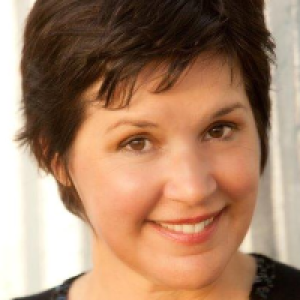
Dr Chellie Spiller
Dr Chellie Spiller, of Māori and Pākehā lineage, is a senior lecturer and Associate Dean Māori and Pacific at the University of Auckland Business School. She has over 30 years of corporate experience in tourism, finance and marketing, holding senior executive positions in New Zealand and abroad, and brings this experience to her academic work and leadership and management development programmes. Her research explores how Māori and indigenous businesses create authentic and sustainable wealth and wellbeing.
Chellie was a Fulbright Senior Scholar at the Harvard Kennedy School and the University of Arizona between November 2011 and March 2012. She is a recipient of a 2011 Dame Mira Szászy Māori Alumni Award, 2011 National Māori Academic Excellence Award, and 2010 AuSM Best Lecturer Award, AUT University. In 2013 she released a co-edited book with Professor Donna Ladkin titled Reflections on Authentic Leadership: Concepts, Coalescences and Clashes published by Edward Elgar Press, which was nominated in the top ten leadership books of 2013 (University of San Diego Outstanding Leadership Book Awards).
Chellie is a co-author of a book on traditional Polynesian navigation Wayfinding Leadership: Groundbreaking Wisdom for Developing Leaders with Hoturoa Barclay-Kerr and John Panoho. She is a co-editor of Indigenous spiritualties at work: Transforming the spirit of business enterprise with Dr Rachel Wolfgramm and a co-editor on two special issues: “Intellectual Shamans, Wayfinders, Edgewalkers, Difference Makers, Social Entrepreneurs, and Other Change Makers” for the Journal of Corporate Citizenship and “Indigenous leadership” for Leadership.
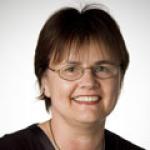 Bridget Robson
Bridget (Ngāti Raukawa) is the director of Te Rōpū Rangahau Hauora a Eru Pōmare at the University of Otago, Wellington…
Bridget Robson
Bridget (Ngāti Raukawa) is the director of Te Rōpū Rangahau Hauora a Eru Pōmare at the University of Otago, Wellington…
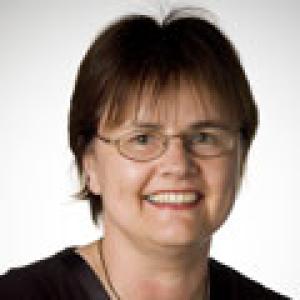
Bridget Robson
Bridget (Ngāti Raukawa) is the director of Te Rōpū Rangahau Hauora a Eru Pōmare at the University of Otago, Wellington. Her research interests are in the areas of social and economic determinants of health, inequitable treatment in the health system, the impact of racism on health, and the development of kaupapa Māori epidemiology.
Bridget is the Principal Investigator of Unequal Treatment: The Role of Health Services. She is also involved in the Mauri Tangata project on unemployment and health, several projects on Māori cancer outcomes, and she is active in providing Tackling Inequalities workshops for the health sector. Bridget was also an author on Hauora: Standards of Health III.
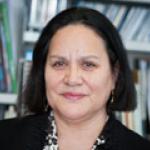
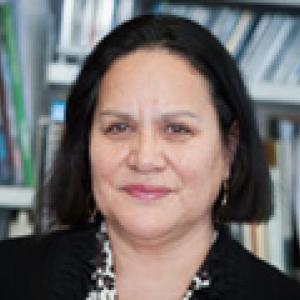
 Dr Diane Ruwhiu
Diane teaches strategic operations and supply chain management at under and post-graduate levels. In addition, she also…
Dr Diane Ruwhiu
Diane teaches strategic operations and supply chain management at under and post-graduate levels. In addition, she also…
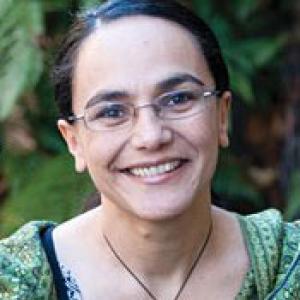
Dr Diane Ruwhiu
Diane teaches strategic operations and supply chain management at under and post-graduate levels. In addition, she also introduces Māori values and practice into other areas, such as entrepreneurship, research methods, business communication, and organisations and sustainability.
Diane's PhD, 'The Sleeping Taniwha: Exploring the practical utility of kaupapa Māori in firm performance', engaged with the premise that improved Māori firm performance and sustainable advantage, are not merely an outcome of economic activity, but are also determinants of the value derived from combinations of distinct Māori socio-cultural resources and capabilities.
Other research questions of specific interest to Diane are:
- What does an Indigenous perspective of practice offer our understanding of organisational practice?
- How do social-cultural resources and capabilities inform business practice?
- What are specific characteristics of clusters or networks based around Indigenous groups?
- What are the socio-cultural dynamics that influence relationships management between general and Indigenous organisations?
- What forms of traditional Māori exchange are evident today and how do they add value?
 Professor Michael Walker
 is a Fellow of the Royal Society of New Zealand and the Royal Institute of Navigation in…
Professor Michael Walker
Professor Michael Walker is a Fellow of the Royal Society of New Zealand and the Royal Institute of Navigation in…
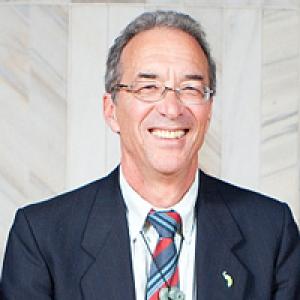
Professor Michael Walker
Professor Michael Walker is a Fellow of the Royal Society of New Zealand and the Royal Institute of Navigation in London. He is best known for his research on the existence, capacities and use of the magnetic sense in navigation over long distances. Recently, he has developed research investigating the mechanisms of the lunar and tidal rhythms in marine organisms.
He also led other NPM projects, He Reo no te Whenua: The establishment of a Māori-centric conservation paradigm and Use of advanced technologies to develop culturally appropriate pest-management strategies for rural Māori communities.
Mike has worked to increase participation of Māori and Pacific Island people in all aspects of the sciences and research beginning with the Tuakana Programme in the School of Biological Sciences and through his teaching. He was a founding Joint Director of Ngā Pae o te Māramatanga, New Zealand’s Māori Centre of Research Excellence, from 2002-2010. His personal research and work in Ngā Pae o te Māramatanga were profiled in Science in 2007.
He was made an Officer of the New Zealand Order of Merit in 2009, and was awarded the Prime Minister’s Supreme Award for Sustained Tertiary Teaching Excellence in 2011.
 Associate Professor Emma Wyeth
Emma was a Deputy Director at Ngā Pae o te Māramatanga 2016 to 2018 and now leads a research project. She is also…
Associate Professor Emma Wyeth
Emma was a Deputy Director at Ngā Pae o te Māramatanga 2016 to 2018 and now leads a research project. She is also…
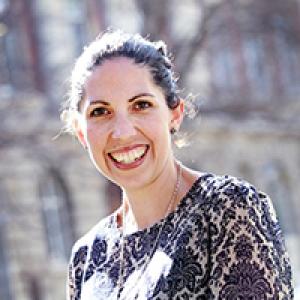
Associate Professor Emma Wyeth
Emma was a Deputy Director at Ngā Pae o te Māramatanga 2016 to 2018 and now leads a research project. She is also the Director of Te Rōpū Rangahau Hauora Māori o Ngāi Tahu (Ngāi Tahu Māori Health Research Unit) and a Lecturer in Māori Health, both in the Department of Preventive and Social Medicine at the University of Otago.
Emma has a range of research interests within the field of hauora Māori. She currently holds a Health Research Council of New Zealand (HRC) Emerging Researcher First Grant (2014–2017) entitled Maori Disability Outcomes: Pathways and Experiences After Injury. She is a former HRC Eru Pōmare Post-Doctoral Research Fellow and a Co-Investigator (Māori Health) in the Dunedin Multidisciplinary Health and Development Study, a longitudinal study of 1,037 babies born in Dunedin during 1972–1973.
 Professor Jacinta Ruru FRSNZ
Jacinta Ruru is a Professor of Law at the University of Otago. Her research has focused on exploring Indigenous…
Professor Jacinta Ruru FRSNZ
Jacinta Ruru is a Professor of Law at the University of Otago. Her research has focused on exploring Indigenous…
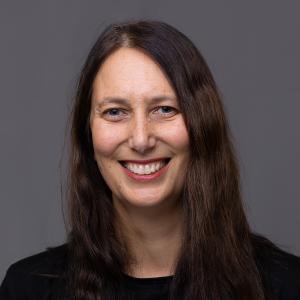
Professor Jacinta Ruru FRSNZ
Jacinta Ruru is a Professor of Law at the University of Otago. Her research has focused on exploring Indigenous peoples' legal rights to own, manage and govern land and water including national parks and minerals in Aotearoa New Zealand, Canada, United States, Australia and the Scandinavia countries.
She has led, or co-led, several national and international research projects including on the Common Law Doctrine of Discovery, Indigenous peoples’ rights to freshwater and multidisciplinary understandings of landscapes and writes for several legal publishers including Adams’ Land Transfer and edit the Brookers Maori Legislation Handbook.
 Professor Papaarangi Reid
Papaarangi is Tumuaki and Head of Department of Maori Health at the Faculty of Medical and Health Sciences, University…
Professor Papaarangi Reid
Papaarangi is Tumuaki and Head of Department of Maori Health at the Faculty of Medical and Health Sciences, University…
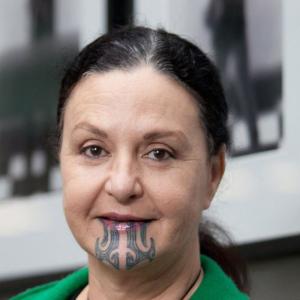
Professor Papaarangi Reid
Papaarangi is Tumuaki and Head of Department of Maori Health at the Faculty of Medical and Health Sciences, University of Auckland, New Zealand. She holds science and medical degrees from the University of Auckland and is a specialist in public health medicine. She has tribal affiliations to Te Rarawa in the Far North of Aotearoa and her research interests include analysing disparities between indigenous and non-indigenous citizens as a means of monitoring government commitment to indigenous rights.
 Professor Paul Tapsell
Professor Tapsell is a graduate of the University of Auckland (MA - Social Anthropology) and University of Oxford…
Professor Paul Tapsell
Professor Tapsell is a graduate of the University of Auckland (MA - Social Anthropology) and University of Oxford…
Professor Paul Tapsell
Professor Tapsell is a graduate of the University of Auckland (MA - Social Anthropology) and University of Oxford (DPhil - Museum Ethnography) and has had a distinguished career working within both the Museum community and also academia. He was Tumuaki/Director Māori of Tamaki Paenga Hira/Auckland Museum from 2000-2008, and was appointed as a Professor of Māori Studies in 2009 when he joined the University of Otago in Dunedin. Paul is currently also Director, Collections and Research at Museums Victoria.
Paul has published many articles, essays and award winning books and his research interests include Māori identity in 21st century New Zealand, cultural heritage & museums, taonga trajectories in and beyond tribal contexts, Māori values within governance policy frameworks, Indigenous entrepreneurial leadership, marae and mana whenua, genealogical mapping of tribal landscapes and Te Arawa historical and genealogical knowledge. Paul is a co-Principal Investigator on the NPM project Waka Wairua with Associate Professor Merata Kawharu.

 Dr Maria Bargh
Maria Bargh (Te Arawa, Ngāti Awa) has a PhD in Political Science and International Relations from the Australian…
Dr Maria Bargh
Maria Bargh (Te Arawa, Ngāti Awa) has a PhD in Political Science and International Relations from the Australian…
Dr Maria Bargh
Maria Bargh (Te Arawa, Ngāti Awa) has a PhD in Political Science and International Relations from the Australian National University. She is a Senior Lecturer in Māori Studies at Victoria University and editor of Māori and Parliament (Huia Publishers, 2010) and Resistance: an Indigenous Response to Neoliberalism(Huia Publishers, 2007).
 Dr Matiu Tai Ratima
Matiu's PhD research is on the factors that influence the development of proficiency in te reo Māori amongst adult…
Dr Matiu Tai Ratima
Matiu's PhD research is on the factors that influence the development of proficiency in te reo Māori amongst adult…
Dr Matiu Tai Ratima
Matiu's PhD research is on the factors that influence the development of proficiency in te reo Māori amongst adult learners. He also researches and has published on Māori Academic development.
 Khylee Quince
Khylee is from the iwi of Te Roroa/Ngapuhi and Ngati Porou. She teaches Criminal Law, Advanced Criminal Law and Youth…
Khylee Quince
Khylee is from the iwi of Te Roroa/Ngapuhi and Ngati Porou. She teaches Criminal Law, Advanced Criminal Law and Youth…
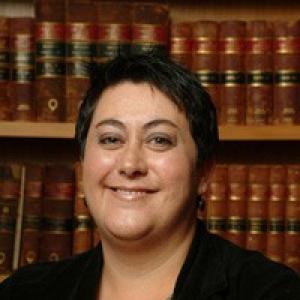
Khylee Quince
Khylee is from the iwi of Te Roroa/Ngapuhi and Ngati Porou. She teaches Criminal Law, Advanced Criminal Law and Youth Justice. Her research interests lie within those fields; in particular Māori and the criminal justice system, tikanga Māori and the law, restorative justice and alternative dispute resolution, Māori women and the law, indigenous peoples and the law.
Prior to joining the University of Auckland's Law Faculty in 1998, Khylee practiced in criminal and family law for three years. Khylee is now Associate Head of School and Director of Maori and Pacific Advancement at the AUT School of Law.
 Dr Pauline Harris
 is the Chairperson of the SMART board and a postdoctoral researcher at Victoria University. Her…
Dr Pauline Harris
Dr Pauline Harris is the Chairperson of the SMART board and a postdoctoral researcher at Victoria University. Her…
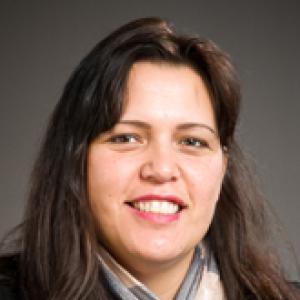
Dr Pauline Harris
Dr Pauline Harris is the Chairperson of the SMART board and a postdoctoral researcher at Victoria University. Her research involves searching for extra-solar planets.
 Professor Linda Waimarie Nikora FRSNZ, HFNZPS
Linda Waimarie Nikora is co-director of Ngā Pae o te Māramatanga and a Professor of Indigenous Studies at Te Wānanga o…
Professor Linda Waimarie Nikora FRSNZ, HFNZPS
Linda Waimarie Nikora is co-director of Ngā Pae o te Māramatanga and a Professor of Indigenous Studies at Te Wānanga o…
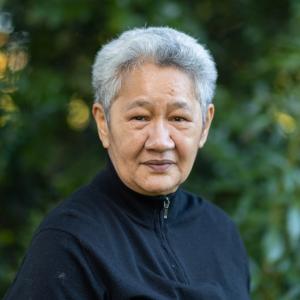
Professor Linda Waimarie Nikora FRSNZ, HFNZPS
Linda Waimarie Nikora is co-director of Ngā Pae o te Māramatanga and a Professor of Indigenous Studies at Te Wānanga o Waipapa, the University of Auckland. She was previously Professor of Psychology and Director of the Maori & Psychology Research Unit at the University of Waikato. Her specialities are in in community psychology, applied social psychology, ethnopsychology and Maori development.
Professor Nikora has a celebrated research and academic career, working in community, social and indigenous psychologies, with a specific focus on Māori wellbeing and self-determination. Her research in recent years has focused on Tangi: Māori ways of mourning; traditional body modification; ethnic status as a stressor; Māori identity development; cultural safety and competence; Māori mental health and recovery; social and economic determinants of health; homelessness; relational health; and social connectedness.
 Professor Rangi Matamua
Associate Professor Matamua of Tūhoe, is a senior lecturer based in the School of Māori and Pacific Development at…
Professor Rangi Matamua
Associate Professor Matamua of Tūhoe, is a senior lecturer based in the School of Māori and Pacific Development at…
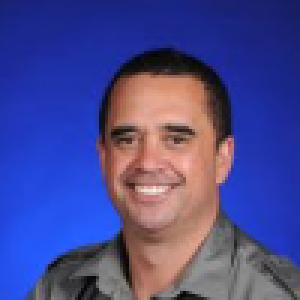
Professor Rangi Matamua
Associate Professor Matamua of Tūhoe, is a senior lecturer based in the School of Māori and Pacific Development at Waikato University. He has undertaken significant research in the areas of Māori language revitalisation, Māori culture, Māori astronomy and broadcasting. In his MA thesis Rangi focused on traditional Tūhoe weaponary, and his PhD examined the role of Māori radio in Māori language revitalisation. In addition, Dr Matamua has produced a number of publications in his specialist areas, and sits on a number of related boards including Society for Māori Astronomy Research and Traditions (SMART).
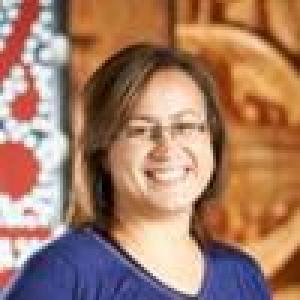
 Professor Joanna Kidman
Joanna is a sociologist with affiliations to Ngāti Maniapoto and Ngāti Raukawa. Her work spans indigenous sociology…
Professor Joanna Kidman
Joanna is a sociologist with affiliations to Ngāti Maniapoto and Ngāti Raukawa. Her work spans indigenous sociology…
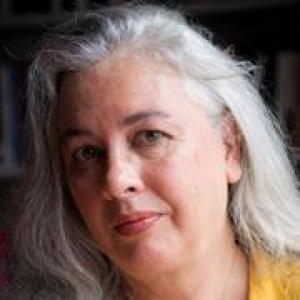
Professor Joanna Kidman
Joanna is a sociologist with affiliations to Ngāti Maniapoto and Ngāti Raukawa. Her work spans indigenous sociology, Māori youth, higher education, decolonization studies and comparative education. She is especially interested in the interplay of power relations between different groups of people.
Joanna is working on two Marsden projects: He Taonga te Wareware: Remembering and Forgetting New Zealand’s Colonial Past investigates how New Zealanders selectively remember and forget difficult and violent events from our colonial past; and
What Inspires and Sustains Young People's Engagement in Social Movements?, led by A/P Karen Nairn, University of Otago, explores the ways that hope for a better future motivates young New Zealanders to engage with politics and new social movements
 Professor Tracey McIntosh
Tracey McIntosh (Ngāi Tūhoe) is Professor of Indigenous Studies and Co-Head of Te Wānanga o Waipapa at the University…
Professor Tracey McIntosh
Tracey McIntosh (Ngāi Tūhoe) is Professor of Indigenous Studies and Co-Head of Te Wānanga o Waipapa at the University…
Professor Tracey McIntosh
Tracey McIntosh (Ngāi Tūhoe) is Professor of Indigenous Studies and Co-Head of Te Wānanga o Waipapa at the University of Auckland. She previously taught in the sociology and criminology programme at the University of Auckland. Tracey brings a high level of experience to her roles in international work, community development, student equity and in her wider contributions to the academic community. Tracey has lectured at the University of the South Pacific in Fiji, was a Fulbright Visiting Lecturer in New Zealand Studies at Georgetown University in Washington D.C. in 2004, and has served on Fulbright selection panels and as a Fulbright student advisor since then.
Tracey's recent research focuses on incarceration (particularly of indigenous peoples), inequality, poverty and justice. She also sits on a number of external research assessment panels including the Marsden Fund Social Science Panel, the Rutherford Discovery Humanities and Social Science Panel and on the FoRST Te Tipu o te Wānanga Māori Research Investment Panel. In 2012 she was the co-chair of the Children’s Commissioner’s Expert Advisory Group on Solutions to Child Poverty. She sits on a number of boards particularly in the area of social harm reduction including the Robson Hanan Trust: Rethinking Crime and Punishment and Te Waka Moemoea: Being the Change Trust.
 Dr Waikaremoana Waitoki
Waikaremoana Waitoki is a Research Officer in the Māori and Psychology Research Unit (MPRU) at the University of…
Dr Waikaremoana Waitoki
Waikaremoana Waitoki is a Research Officer in the Māori and Psychology Research Unit (MPRU) at the University of…
Dr Waikaremoana Waitoki
Waikaremoana Waitoki is a Research Officer in the Māori and Psychology Research Unit (MPRU) at the University of Waikato. She is also a Clinical Psychologist specialising in mental health.
She is one of the Bicultural Directors for the New Zealand Psychological Society and the Co-convenor of the National Standing Committee on Bicultural Issues (NSCBI). Her broad interests are in mental health, cultural competency, curriculum development, cultural supervision, indigenous psychology and research. Waikaremoana advocates for kaupapa Māori inclusion in all parts of psychology education and practice. She holds a nidan grade in Kyokushin karate, competes in full-contact fighting tournaments and also instructs rumaki-tamariki karate classes and adult classes.
 Dr James Ataria
 was a Deputy Director of Ngā Pae o te Māramatanga for a fixed term 2016 to 2018. He is Senior Lecturer…
Dr James Ataria
Dr James Ataria was a Deputy Director of Ngā Pae o te Māramatanga for a fixed term 2016 to 2018. He is Senior Lecturer…
Dr James Ataria
Dr James Ataria was a Deputy Director of Ngā Pae o te Māramatanga for a fixed term 2016 to 2018. He is Senior Lecturer at Lincoln University and an ecotoxicologist at the Cawthron Institute, Nelson and is also an associate trustee of the Tuaropaki Trust and a member of Ngā Kaihautū Tikanga Taiao (Māori Advisory Committee to the board of the Environmental Protection Authority).
His research interests are in the development and application of ecotoxicological tools for the assessment of the biological effects and impacts of legacy and new emerging contaminants on culturally significant species and sites (especially freshwater) in New Zealand. He conducts his research within multi-disciplinary/multi-organisational programmes that are firmly embedded in Māori culture and process but with strong linkages to end-user organisations.
This approach interfaces between science and mātauranga Māori (traditional and contemporary Māori knowledge) and explores mechanisms that promote mutual understanding and equality of uptake in policy and decision making with respect to environmental resource management.
He led the NPM projects He moemoeā mō Ahuriri: A vision plan and health assessment for the Ahuriri Estuary, Ko te huarahi ki mua: Roads for change and He pūau awa – he ūngututanga mātauranga
 Professor Huia Tomlins-Jahnke
Associate Professor Huia Tomlins Jahnke has been involved as a researcher and research coordinator of the D Company…
Professor Huia Tomlins-Jahnke
Associate Professor Huia Tomlins Jahnke has been involved as a researcher and research coordinator of the D Company…
Professor Huia Tomlins-Jahnke
Associate Professor Huia Tomlins Jahnke has been involved as a researcher and research coordinator of the D Company Māori Battalion Oral History Project since 1997 when the Ngāti Kahungunu veterans of D Company established the project. She is Principal Investigator on the NPM project Au e ihu! Nga Morehu TauaThose that are left must endeavour to complete the work. Huia is currently an Professor of Māori Education, and Head of School in the College of Education at Massey University.
 Dr Dominic Andrae
 is a part-time Research Fellow working with Tracey McIntosh (Director) on her research programme…
Dr Dominic Andrae
Dr Dominic Andrae is a part-time Research Fellow working with Tracey McIntosh (Director) on her research programme…
Dr Dominic Andrae
Dr Dominic Andrae is currently a Post-Doctoral Research Fellow working with Tracey McIntosh (Director) on her research programme. Dominic’s role is to conduct research in the area of incarceration, gang membership and gang whānau and to develop new and appropriate methodologies in working with vulnerable groups: generating new knowledge, outputs and research opportunities (funding, support and collaborations). Dominic holds a PhD in Sociology and a MA in Anthropology. His research has focused on working with marginalised communities and their interaction with the judicial system in New Zealand. He recently worked with Aboriginal communities in Alice Springs. Dominic was supervised by Tracey for his PhD, and was a Journal and Publications Coordinator for AlterNative and MAI Journal at NPM.
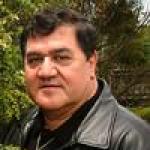 Distinguished Professor Graham Hingangaroa Smith
Professor Graham Smith, a prominent Māori educationalist, has been at the forefront of Māori initiatives in the…
Distinguished Professor Graham Hingangaroa Smith
Professor Graham Smith, a prominent Māori educationalist, has been at the forefront of Māori initiatives in the…
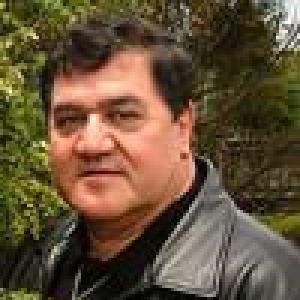
Distinguished Professor Graham Hingangaroa Smith
Professor Graham Smith, a prominent Māori educationalist, has been at the forefront of Māori initiatives in the education field and beyond. His recent academic work has centered on developing theoretically informed transformative strategies related to intervening in Māori cultural, political, social, educational and economic crises. Professor Smith has made significant contributions to the political, social, economic and cultural advancement of indigenous Māori communities. He has also worked extensively with other indigenous peoples across the world, including Canada, Hawaii, USA mainland, Taiwan, Chile, Australia and the Pacific nations. He was the CEO/ Vice Chancellor of Te Whare Wānanga O Awanuiārangi: Indigenous-University for 8 years, ending his position as CEO in 2015. He is the Principal Investigator of one of NPM's significant research programmesTe Pae Tawhiti: Māori Economic Development.
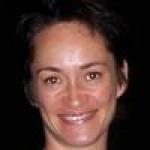 Professor Merata Kawharu
Merata Kawharu is a graduate of The University of Auckland (BA in Social Anthropology and Māori Studies and…
Professor Merata Kawharu
Merata Kawharu is a graduate of The University of Auckland (BA in Social Anthropology and Māori Studies and…
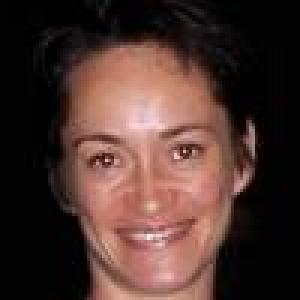
Professor Merata Kawharu
Merata Kawharu is a graduate of The University of Auckland (BA in Social Anthropology and Māori Studies and Post-Graduate Diploma in Business (Administration)) and of Oxford University (DPhil in Social Anthropology).
She is currently working on the project Identifying Frameworks for Effective Iwi and Hapū Development and was previously the Principal Investigator on the NPM project Waka Wairua.
As a Rhodes Scholar she undertook research on kaitiakitanga. Since completing her doctorate in 1998, she has undertaken research projects for various Treaty claimant groups and the private sector and has been a consultant to the U.N and to UNESCO. She was a member of the NZ Historic Places Trust Board and Māori Heritage Council; the New Zealand Rhodes Committee; a Treaty claims advisor and member of other local committees. She is Director of Research at the James Henare Māori Research Centre at The University of Auckland, and an Associate Professor of Research at Otago University. She has published two edited books (on Treaty and resource management issues, one of which was shortlisted in the Montana Book awards), another book (Tahuhu Korero which won the Te Reo Māori section of the Māori book awards in 2010), along with several treaty reports and journal articles. She was awarded the Member of the New Zealand Order of Merit for services to Māori education in 2012.
 Professor Darrin Hodgetts
Darrin Hodgetts is a Professor in Social Psychology at the University of Waikato. Previously he was a teaching fellow…
Professor Darrin Hodgetts
Darrin Hodgetts is a Professor in Social Psychology at the University of Waikato. Previously he was a teaching fellow…
Professor Darrin Hodgetts
Darrin Hodgetts is a Professor in Social Psychology at the University of Waikato. Previously he was a teaching fellow at Massey University, and then held a post-doctoral fellowship in Community Health at Memorial University, Canada, followed by a lectureship at the London School of Economics and Political Sciences.
Darrin has published more than 70 peer-reviewed articles and three books relating to health, poverty, community and inequalities. He is an expert in the use of participative, action-orientated ethnographic research methods. Darrin is Co-Principal Investigator on the Ngā Pae o te Māramatanga project Aue Ha! Māori men’s relational health.
 Associate Professor Mohi Rua
Mohi is NPM's Pou Pātai Whānau and is based at the University of Auckland | Waipapa Taumata Rau. He has research and…
Associate Professor Mohi Rua
Mohi is NPM's Pou Pātai Whānau and is based at the University of Auckland | Waipapa Taumata Rau. He has research and…
Associate Professor Mohi Rua
Mohi is NPM's Pou Pātai Whānau and is based at the University of Auckland | Waipapa Taumata Rau. He has research and teaching interests in: Māori health and inequities; Social determinants of health; Māori culture, heritage and identity; Poverty, the precariat and homelessness; Kaupapa Māori research, theory and methodologies; Decolonial practices; indigenous psychological perspectives of the interconnected self; Sport and rangatahi (Māori youth).
Mohi has an active research interest in the critique of Māori cultural patterns and behaviours as a vehicle to understanding Māori health and wellbeing through the discipline of psychology. This includes using customary Māori practices to inform mainstream psychological training and theory. His PhD considered the way Māori men constructively participate, engage and contribute positively to their whānau and communities and he was Co-Principal Investigator on the Ngā Pae o te Māramatanga project, Aue Ha! Māori men’s relational health.
Mohi was one of the researchers for the acclaimed book Mau Moko: The World of Māori Tattoo.
 Associate Professor Leonie Pihama
 is a Senior Research Fellow at the Te Kōtahi Institute, University of Waikato, and…
Associate Professor Leonie Pihama
Associate Professor Leonie Pihama is a Senior Research Fellow at the Te Kōtahi Institute, University of Waikato, and…
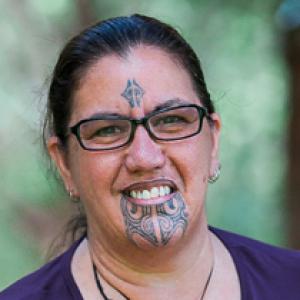
Associate Professor Leonie Pihama
Associate Professor Leonie Pihama is a Senior Research Fellow at the Te Kōtahi Institute, University of Waikato, and Director of Māori And Indigenous Analysis Ltd, a Kaupapa Māori research company. Her extensive research interests cover whānau, economic transformation and national identity. She has a long history of involvement in Māori education, including te kōhanga reo and kura kaupapa Māori (total immersion pre–schools and schools), and has published widely.
Leonie sits on the Government-appointed Constitutional Advisory Panel. She has received numerous academic awards, including the inaugural Fulbright-Ngā Pae o te Māramatanga Scholar Award and a Hohua Tutengaehe Post-Doctoral Scholarship from the Health Research Council of New Zealand.
Leonie was the Principal Investigator on the Ngā Pae o te Māramatanga research project Tiakina Te Pā Harakeke: Māori childrearing within a context of whānau ora. She has led other NPM projects in the past, on education, eugenics, and neonatal care
 Associate Professor Paul Kayes
 is Academic Registrar and Director of Te Whare Taiao – Institute of Indigenous Science…
Associate Professor Paul Kayes
Associate Professor Paul Kayes is Academic Registrar and Director of Te Whare Taiao – Institute of Indigenous Science…
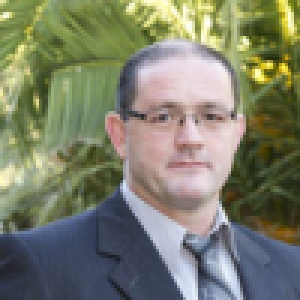
Associate Professor Paul Kayes
Associate Professor Paul Kayes is Academic Registrar and Director of Te Whare Taiao – Institute of Indigenous Science at Te Whare Wānanga o Awanuiārangi. He has responsibility for implementing the Institute’s strategic plan and through that working with iwi especially in areas such as marine biology and customary fishing. He has developed a range of new science programmes at Awanuiārangi. Previously Paul was Head of the Applied Sciences School at Bay of Plenty Polytechnic. In 2005 he received the Award for Excellence from the Polytechnic for establishing the Pacific Coast Research Centre.
He is Principal Investigator on the Ngā Pae o te Māramatanga project An investigation into the fisheries resources and interests of iwi, hapū and marae within Tauranga Moana and the impacts caused by the grounding of the CV Rena.
 Dr Simon Lambert
 is a lecturer in Māori Environmental Planning and Development in the Faculty of Environment, Society…
Dr Simon Lambert
Dr Simon Lambert is a lecturer in Māori Environmental Planning and Development in the Faculty of Environment, Society…
Dr Simon Lambert
Dr Simon Lambert is a lecturer in Māori Environmental Planning and Development in the Faculty of Environment, Society and Design at Lincoln University. He has previously held a Te Tipu Putaiao post-doctoral fellowship at Manaaki Whenua LandCare Research, and has researched small-scale innovation in the farming, building and energy sectors of New Zealand in the Agribusiness and Economics Research Unit at Lincoln.
He is the Principal Investigator on the Ngā Pae o te Māramatanga project, Networks of support for Māori mental health: The response and recovery of Tangata Whaiora through the Ōtautahi earthquakes.
Simon is the MAI ki Ōtautahi-Lincoln Co-ordinator for the Te Kupenga o MAI programme and has developed a strong interest in the support and mentoring of Māori students.
 Professor Angus Macfarlane
Angus Macfarlane is Professor of Māori Research at the University of Canterbury. He is an experienced educator and…
Professor Angus Macfarlane
Angus Macfarlane is Professor of Māori Research at the University of Canterbury. He is an experienced educator and…
Professor Angus Macfarlane
Angus Macfarlane is Professor of Māori Research at the University of Canterbury. He is an experienced educator and practitioner and has been an advisor and professional development provider for Special Education Services and the Ministry of Education on a number of national projects. His interest is the exploration of cultural concepts and strategies that affect positively on professional practice, on which he published widely.
In 2010 Angus was presented with the Tohu Pae Tawhiti Award to acknowledge his significant contribution to Māori research. His most recent book, Responsive Pedagogy, was published in October 2011.
He is the Principal Investigator on the Ngā Pae o te Māramatanga project Ka Awatea: An iwi case study of Māori students experiencing success.
 Arapata Hakiwai
 has worked for the National Museum of New Zealand, Te Papa Tongarewa for over fifteen years, having…
Arapata Hakiwai
Arapata Hakiwai has worked for the National Museum of New Zealand, Te Papa Tongarewa for over fifteen years, having…
Arapata Hakiwai
Arapata Hakiwai has worked for the National Museum of New Zealand, Te Papa Tongarewa for over fifteen years, having worked in a number of roles including Exhibitions Concept Developer, Curator and Community Partnerships Manager Māori for National Services, and is currently Scholar Mātauranga Māori, leading the research on the Māori collections. Arapata was formerly the Manager of Bicultural Operations at Te Papa from 1999 through to 2002 and Director of Mātauranga Māori from 2003-2009. He takes an active involvement in his marae and tribal affairs, and is a former council member for the museums membership organisation Museums Aotearoa. He regularly lectures at Victoria University and has a strong interest in digital/virtual repatriation kaupapa and is well published including being the co-editor of Toi Ora: Māori Ancestral Treasures (2008). Arapata has extensive relationships with overseas museums and in the early 1990s helped lead the restoration of the carved Te Whānau-a-Ruataupare meeting house Ruatepupuke in the Field Museum, Chicago, with Te Waka Toi and colleagues from the Field Museum.
He is Principal Investigator on the NPM project Virtual Repatriation: A database of Māori taonga in overseas museums
 Dr Wayne Ngata
Raised in the Tairāwhiti, Wayne resides in Ūawa (Tolaga Bay), and with others in the community, is an advocate for what…
Dr Wayne Ngata
Raised in the Tairāwhiti, Wayne resides in Ūawa (Tolaga Bay), and with others in the community, is an advocate for what…
Dr Wayne Ngata
Raised in the Tairāwhiti, Wayne resides in Ūawa (Tolaga Bay), and with others in the community, is an advocate for what Ūawa offers itself, the region, the country and the world. He is an active supporter of education towards constructive and productive citizenship, particularly in te reo Māori. His particular area of scholarship is Māori literature, specifically the language of mōteatea (traditional chant). He is a long time supporter of the renaissance in local Māori art as a platform for tribal intellectual, social and economic development, and with other members of Te Aitanga a Hauiti, have developed strong working and research relationships with regional, national and international institutions. He is a teacher, and helped establish Māori Studies at the Tairāwhiti Polytechnic (now EIT Tairāwhiti) in the last two decades. He has been a member of the Board of the Māori Language Commission and currently works in a managerial role for the Ministry of Education with a focus on te reo Māori in schools.
He is Principal Investigator on the NPM project: Te Ataakura: Re-connecting voyage collections in archives and museums through the creation of digital taonga.
 Dr Jane Kitson
 is an ecologist and environmental scientist with a background in traditional ecological knowledge…
Dr Jane Kitson
Dr Jane Kitson is an ecologist and environmental scientist with a background in traditional ecological knowledge…
Dr Jane Kitson
Dr Jane Kitson is an ecologist and environmental scientist with a background in traditional ecological knowledge research. She has worked in a range of research and management projects including doctoral research on traditional ecological knowledge and harvest management of tītī (Puffinus griseus); microbial food webs in lakes; and coastal and freshwater environmental science as a scientist at Environment Southland, Southland Regional Council. Jane works at Te Ao Mārama Incorporated in Invercargill, which is a resource management agency set up by manawhenua to look after resource management and other aspects related to local government in Southland/Murihiku.
She leads the Ngā Pae o te Māramatanga project on kanakana/lamprey and the use of harvest mātauranga to monitor population trends. She also managed the compilation of the State of Southland’s Freshwater Environment Reports, co-authored by Environment Southland and Te Ao Marama Inc. and until recently was heavily involved in the science of Waituna Lagoon. Jane is also involved with the New Zealand Freshwater Sciences Society and is on its executive committee.
 Dr Marion Johnson
A former shepherd and farm manager, Dr Marion Johnson combines academic science and research with practical and…
Dr Marion Johnson
A former shepherd and farm manager, Dr Marion Johnson combines academic science and research with practical and…
Dr Marion Johnson
A former shepherd and farm manager, Dr Marion Johnson combines academic science and research with practical and traditional farm knowledge. Now a Senior Scientist at The Future Farming Centre, Lincoln Dr Johnson holds degrees in Agricultural Science, Environmental Biology and Veterinary Parasitology.
Her research interests encompass Te Rongoā (Māori traditional medicine) and how native medicinal plants can be incorporated on farm promoting animal health, biodiversity and ecosystem support. Other smaller projects include subclinical parasitism in red deer, the development of mixed pastures and leys incorporating native plants, ( Te Rongoa pastures: healthy animals, resilient farms) and multispecies pastures in cut and carry systems for dairy goats.
She is Principal Investigator on the NPM Project Indigenous Agroecology.
 Dr Kepa Morgan
's (BE, MBA, PhD, CPEng, FIPENZ ) bi-cultural background is rooted in his cultural identity as Ngāti…
Dr Kepa Morgan
Dr Kepa Morgan's (BE, MBA, PhD, CPEng, FIPENZ ) bi-cultural background is rooted in his cultural identity as Ngāti…
Dr Kepa Morgan
Dr Kepa Morgan's (BE, MBA, PhD, CPEng, FIPENZ ) bi-cultural background is rooted in his cultural identity as Ngāti Pikiao of Te Arawa. During his engineering career Kepa has strengthened his understanding of Pikiaoanga while also striving for excellence both professionally and academically. As an indirect result of this combination of identity, interests and expertise, Kepa has found himself at the juncture between Māori aspirations and the engineering profession on many occasions. At times these have been adversarial situations, and sometimes the results have been less than optimal, however in all cases he has benefited from the opportunities gaining an understanding decision making processes and frameworks.
Kepa's involvement with The University of Auckland allows exploration of the interface between Māori and engineering, with research interests that can be understood broadly as Indigenous engineering and technologies. In his research, the focus is on the enhanced outcomes that are possible when the contributions of multiple knowledge systems produce designs and solutions that are unlikely to originate from any knowledge system on its own. Specifically Kepa has developed alternative construction systems and materials (Uku fibre reinforced earth composite) and a decision framework known as the Mauri Model. He is Principal Investigator on the NPM project How do we return the mauri to its Pre-Rena state?
 Dr Hēmi Whaanga
 is a research officer in Te Pua Wānanga ki te Ao (The School of Māori and Pacific Development) at the…
Dr Hēmi Whaanga
Dr Hēmi Whaanga is a research officer in Te Pua Wānanga ki te Ao (The School of Māori and Pacific Development) at the…
Dr Hēmi Whaanga
Dr Hēmi Whaanga is a research officer in Te Pua Wānanga ki te Ao (The School of Māori and Pacific Development) at the University of Waikato. Hēmi has been a project leader, writer and researcher in a range of linguistic, indigenous Māori knowledge and curriculum projects. He is the principal investigator on the NPM project The ethics, processes and procedures associated with the digitisation of the Pei Jones collection. He has published in the areas of indigenous Māori knowledge, traditional ecological knowledge, language revitalisation, linguistics, language teaching and curriculum development.
 Tom Roa
 is a senior lecturer at Waikato University. He is the principal investigator on the project Exploring a Māori…
Tom Roa
Tom Roa is a senior lecturer at Waikato University. He is the principal investigator on the project Exploring a Māori…
Tom Roa
Tom Roa is a senior lecturer at Waikato University. He is the principal investigator on the project Exploring a Māori classificatory system of flora and fauna within Tainui waka. His research interests are translation and interpretation of Māori-English, Kīngitanga, Waikato-Maniapoto oral and written history and traditions. He is the Chair of Te Arataura, Waikato Tainui's Executive.
 Dr Jason Turuwhenua
Dr. Jason Turuwhenua is a Research Fellow who works between The University of Auckland’s Auckland Bioengineering…
Dr Jason Turuwhenua
Dr. Jason Turuwhenua is a Research Fellow who works between The University of Auckland’s Auckland Bioengineering…
Dr Jason Turuwhenua
Dr. Jason Turuwhenua is a Research Fellow who works between The University of Auckland’s Auckland Bioengineering Institute and the Department of Optometry and Vision Science. He is the principal investigator on the project Whatukura: A bioengineered model of the human eye. Jason is interested in how engineering methods might be applied to problems in vision. At present he is working on developing 'the virtual eye', a physics-based system for investigating eye disease. In 2003 he won the National Māori Academic Excellence Award.
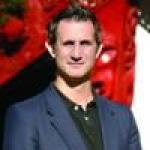 Dr Daniel Hikuroa
Dr Daniel (Dan) Hikuroa is an Earth Systems Scientists who integrates mātauranga Māori (Māori knowledge) and science to…
Dr Daniel Hikuroa
Dr Daniel (Dan) Hikuroa is an Earth Systems Scientists who integrates mātauranga Māori (Māori knowledge) and science to…
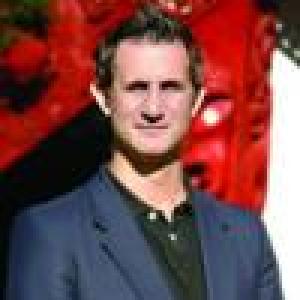
Dr Daniel Hikuroa
Dr Daniel (Dan) Hikuroa is an Earth Systems Scientists who integrates mātauranga Māori (Māori knowledge) and science to realise the dreams and aspirations of the communities he works with. He is an established world expert on integrating indigenous knowledge and science and has undertaken many projects including co-writing the 2014 State of the Hauraki Gulf Environment Report, geothermal developments, co-writing iwi environmental management plans, hazard and vulnerability assessments and industrial waste rehabilitation.
Dan was the Research Director for Ngā Pae o te Māramatanga from July 2011 - December 2015.
Previously he was the Community Earth Systems Science Programmes Manager at the Institute of Earth Science & Engineering University of Auckland and has an extensive background in Earth Systems Science. After leading a deep field geology mapping expedition for the British Antarctic Survey for his PhD he then completed a Post-Doc Fellowship investigating how the worlds oceans and biota have responded to naturally driven climate change in the ancient past.
Dan has led the following NPM projects:
- Restoring the Mauri to Rotoitipaku (Industrial Waste Site): Implementing Matauranga in a Scientific Paradigm
- Harvesting the Fruits of Papatuanuku - A Kaitiaki Approach to Geothermal Development.
He is contributing to the following NPM project:
- How do we return the mauri to its pre-Rena state?
He has supervised the following NPM interns:
- Ani Kainamu
- Jade Newton
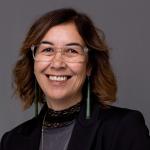 Professor Rawinia Higgins
 was appointed Te Tumu Ahurei (Māori) / Deputy Vice-Chancellor (Māori) of Victoria University…
Professor Rawinia Higgins
Professor Rawinia Higgins was appointed Te Tumu Ahurei (Māori) / Deputy Vice-Chancellor (Māori) of Victoria University…
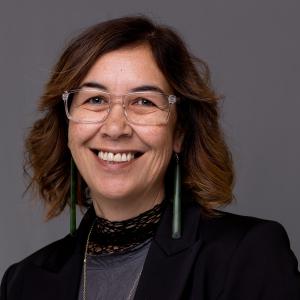
Professor Rawinia Higgins
Professor Rawinia Higgins was appointed Te Tumu Ahurei (Māori) / Deputy Vice-Chancellor (Māori) of Victoria University of Wellington in 2016. She was previously Victoria’s Assistant Vice-Chancellor Māori Research and Head of School for Te Kawa a Māui / School of Māori Studies and went to Victoria as a senior lecturer in 2009 after holding academic positions at the University of Otago for 12 years. Her research expertise is Māori language revitalisation and, more specifically, language planning and policy.
She was Co-Principal Investigator of Te Kura Roa, the three year Ngā Pae o Te Māramatanga Pae Tawhiti initiative on the value of the Māori language which examined state and community responsiveness to Māori language revitalisation efforts in Aotearoa New Zealand.
Professor Higgins is a board member of NPM, a member of the Waitangi Tribunal, a board member of Te Mātāwai, and is the Deputy Chair of the Māori Knowledge and Development PBRF portfolio.
In 2015, the Minister for Māori Development appointed her chair of the review of the Māori Language Bill and she helped shape the legislation enacted in April 2016. Te Mātāwai was created as part of the new legislation and governs The Māori Language Strategy dedicated to whānau, hapū, iwi and Māori communities.
 Professor Cindy Kiro
Cindy Kiro is the Director of The Starpath Project, at the University of Auckland and was previously Head of School Te…
Professor Cindy Kiro
Cindy Kiro is the Director of The Starpath Project, at the University of Auckland and was previously Head of School Te…
Professor Cindy Kiro
Cindy Kiro is the Director of The Starpath Project, at the University of Auckland and was previously Head of School Te Kura Māori at Victoria University and Children’s Commissioner. Her areas of research expertise are Public Health, Māori Health, Children and Young People Policy, and Māori Development. She is a lead author on “Trends in Wellbeing for Māori households/families, 1981–2006".
 Donna Ngaronoa Gardiner
Donna Gardiner is a PhD scholar of NPM. Her doctoral research project "Ka Whawhai Tonu Matou - Our struggle to…
Donna Ngaronoa Gardiner
Donna Gardiner is a PhD scholar of NPM. Her doctoral research project "Ka Whawhai Tonu Matou - Our struggle to…
Donna Ngaronoa Gardiner
Donna Gardiner is a PhD scholar of NPM. Her doctoral research project "Ka Whawhai Tonu Matou - Our struggle to transform” - looks at Maori leadership today, in a modern context. Donna was previously Research and Community Coordinator for NPM and coordinated the translation of NPM research and activities to our communities, specifically Māori and indigenous, to make positive change. She also coordinated opportunities such as hui, wānanga and conferences for these communities to discuss their research ideas and issues, and creative potential. In the past, Donna has been the outpost manager for Te Whare Wānanga o Awanuiārangi, and more recently Programme Leader, undergraduate programmes, for Te Ara Poutama at AUT University.
 Dr Joseph Te Rito
Dr Joe Te Rito is of Ngāti Hinemanu descent from Ōmāhu out of Hastings. The community was devastated by Cyclone…
Dr Joseph Te Rito
Dr Joe Te Rito is of Ngāti Hinemanu descent from Ōmāhu out of Hastings. The community was devastated by Cyclone…
Dr Joseph Te Rito
Dr Joseph (Joe) Te Rito Joe is currently Deputy-Director/Kaihautū Mātauranga Māori with with AKO AOTEAROA, the National Centre for Tertiary Teaching Excellence. He was previously Kaihautū Tikanga; Senior Research Fellow – Tikanga and Reo at Ngā Pae o te Māramatanga (NPM) until December 2015, where he provided advice and guidance in Tikanga Māori, Te Reo Māori and community/Iwi relationships, as well as conducting research relevant to the NPM Research Plan. Joe was also an assessor and senior advisor for NPM's Grants and Awards programme.
Joe’s research examines a range of oral recordings in the Māori language of his elders, with the aim to promote the oral language of these elders as the exemplars for second-language learners. This involves the development of an online 'talking book' comprised of the oral recordings, transcriptions and translations of them, and a linguistic analysis with a focus on local dialects.
Joe’s passion for the language began in 1971 when he became a member of the Te Reo Māori Society at Victoria University of Wellington. The group was active in collecting signatures for the 30,000-signature Te Reo Māori Petition presented to Parliament in 1972. From there Joe became a teacher and has taught Māori in various settings including Ōmāhu Bilingual School, Queen Victoria School, The University of Auckland and EIT Hawke’s Bay where he became Dean of Māori Studies and worked for 17 years. During that time he led the development of the institute’s BA and BA Honours degrees, a series of on-air Māori language courses and the on-campus marae. He is a recipient of the Sir Winston Churchill Fellowship and the award for ‘Best Contribution to Māori Radio – Last 10 Years’ from Te Whakaruruhau o ngā Reo Irirangi Māori (Federation of Māori radio stations). He moved to Auckland to become General Manager – Te Reo Māori and Tikanga Māori at the Māori Television Service and from there moved to NPM in 2004. Joe is the founding and current Chairperson of Radio Kahungunu, a position he has held since the station began in 1988.
 Dr Marilyn Tangi Ina McPherson
Dr Marilyn McPherson was previously Senior Research Fellow – Research Performance at Ngā Pae o…
Dr Marilyn Tangi Ina McPherson
Dr Marilyn McPherson was previously Senior Research Fellow – Research Performance at Ngā Pae o…
Dr Marilyn Tangi Ina McPherson
Dr Marilyn McPherson was previously Senior Research Fellow – Research Performance at Ngā Pae o te Māramatanga , where she conducted research relevant to the NPM Research Plan and also assisted the Centre in the academic monitoring and evaluation of its research.
Marilyn completed her Bachelor of Arts with a double major in Geography at The University of Auckland in 1976. Following 16 years teaching at St Stephens School, Marilyn enrolled and graduated with a Master of Arts in Geography from The University of Auckland in 1992. Her thesis was entitled Toitu Te Whenua: Relationships Between Whānau and Whenua. Following the completion of her Masters degree, Marilyn continued to work in Māori education, research and health at Pūkenga, Faculty of Māori Education at UNITEC. In 2003, she consolidated these interests by completing her PhD at the Injury Prevention Research Centre, within the Department of Community Health and the Faculty of Medicine at The University of Auckland. Between 2004–11, Marilyn was Research – Programme Leader at Ngā Pae o te Māramatanga. As Programme Leader she developed the annual contestable research round for mid-career and senior researchers. More than 60 Principal Investigators and their research teams have carried out excellent research across a range of broad themes. The writing retreats, symposia, seminar series and international conferences have provided a balanced opportunity for presenting research ideas to a broad range of audiences from local to international contexts.
Marilyn’s current research interests are eclectic, exciting and engaging. Firstly, from her Masters Study she is exploring the need for aroha in research. Secondly, she is updating her PhD thesis It’s about Whakapapa to review current trends and themes in Māori injury prevention and safety. She hopes to work with other indigenous researchers to develop an indigenous model of safe communities. And thirdly, she will construct a blog to explore San Filipo Syndrome, a muccopolysaccharide disorder which killed her nine year old son, Kyle in 1985. She will explore the impact of a debilitating condition, with no cure, on whānau. She intends to write a book from the blog.