About this research
What are the distinctive dimensions and drivers of innovative Māori leadership and integrated decision making, and how do these characteristics deliver pluralistic outcomes that advance transformative and prosperous Māori economies of wellbeing?
A diverse range of Māori leadership practices have contributed to the development of a Māori economy with a current estimated asset base of $42.6 billion, yet the role of mātauranga and tikanga Māori within leadership practices is poorly understood.
While economic success may in part be attributed to Māori leadership philosophies and practices that have had to adapt and adjust to changing contexts, it remains poorly understood. Thus the significance of this research project lies in developing a comprehensive understanding of if and how Māori leaders generate, embody and enact leadership to make decisions to advance prosperous and sustainable Māori economies of wellbeing.
This project is considered crucial, as leadership and decision-making for Māori and Indigenous peoples occurs within a diverse range of organisational and governance contexts. In the Māori economy, this includes iwi, hapū, marae, not-for-profits, public sector, political, religious and educational organisations, amongst many others.
The core aim is to advance the research knowledge of Māori leadership and decision-making whilst promoting transformative strategies that will assist Māori organisations and their leaders to build further prosperous Māori economies of wellbeing.
Objectives of the Research:
- Develop a better understanding of tikanga Māori for business to help explain and inform new ways of strategising “being and doing” Māori leadership.
- Better understand the dynamics of Māori leadership and decision-making.
- Identify the critical requirements for effective leadership of Māori organisations that will lead to enhancing the economic performance of Māori communities while maintaining consistency with mātauranga and tikanga Māori.
Whakaahua & Ataata · Images & Videos
Kairangahau · Researchers
 Dr Rachel Wolfgramm
Te Aupouri, Ngāi Takoto, Whakatōhea, Ngāti Patumoana, Tonga
University of Auckland
Rachel's training has been multi-disciplinary, incorporating the fields of organisation, consumption, leadership and…
Dr Rachel Wolfgramm
Te Aupouri, Ngāi Takoto, Whakatōhea, Ngāti Patumoana, Tonga
University of Auckland
Rachel's training has been multi-disciplinary, incorporating the fields of organisation, consumption, leadership and…
Dr Rachel Wolfgramm
 Professor Chellie Spiller
University of Waikato
Dr Chellie Spiller, of Matawhaiti Iwitea, Ngāti Kahungunu ki Wairoa, is Professor of Management and Leadership, and…
Professor Chellie Spiller
University of Waikato
Dr Chellie Spiller, of Matawhaiti Iwitea, Ngāti Kahungunu ki Wairoa, is Professor of Management and Leadership, and…
Professor Chellie Spiller
 Professor Paul Tapsell
Ngāti Whakaue, Ngāti Raukawa
University of Otago
Professor Tapsell is a graduate of the University of Auckland (MA - Social Anthropology) and University of Oxford…
Professor Paul Tapsell
Ngāti Whakaue, Ngāti Raukawa
University of Otago
Professor Tapsell is a graduate of the University of Auckland (MA - Social Anthropology) and University of Oxford…

Professor Paul Tapsell
Professor Tapsell is a graduate of the University of Auckland (MA - Social Anthropology) and University of Oxford (DPhil - Museum Ethnography) and has had a distinguished career working within both the Museum community and also academia. He was Tumuaki/Director Māori of Tamaki Paenga Hira/Auckland Museum from 2000-2008, and was appointed as a Professor of Māori Studies in 2009 when he joined the University of Otago in Dunedin.
Ētahi atu · Other projects
He oranga whānau: mahi ngātahi: Whānau livelihoods within the context of work and Māori economies of wellbeing. These groundbreaking works celebrate Māori futures rooted in kaupapa Māori values while fostering pathways for responsible relationships, meaningful lives, and flourishing Indigenous wellbeing economies. By emphasising the central role of whānau…
- Mana Touchstones
- Te Ahunga atu ki ngā Ōhanga Oranga Māori: Towards Māori Economies of Wellbeing
- He Rauhī Kupu
He oranga whānau: mahi ngātahi: Whānau livelihoods within the context of work and Māori economies of wellbeing
He oranga whānau: mahi ngātahi: Whānau livelihoods within the context of work and Māori economies of wellbeing. These groundbreaking works celebrate Māori futures rooted in kaupapa Māori values while fostering pathways for responsible relationships, meaningful lives, and flourishing Indigenous wellbeing economies. By emphasising the central role of whānau, these publications provide actionable insights and inspiration for transformative change in economic and cultural systems.
- Mana Touchstones
- Te Ahunga atu ki ngā Ōhanga Oranga Māori: Towards Māori Economies of Wellbeing
- He Rauhī Kupu
Kairangahau · Researchers
-
Professor Chellie Spiller
Professor Chellie Spiller
Dr Chellie Spiller, of Matawhaiti Iwitea, Ngāti Kahungunu ki Wairoa, is Professor of Management and Leadership, and Associate Dean Māori at the University of Waikato. She was previously a senior lecturer and Associate Dean Māori and Pacific at the University of Auckland Business School. She has over 30 years of corporate experience in tourism, finance and marketing, holding senior executive positions in New Zealand and abroad, and brings this experience to her academic work and leadership and management development programmes. Her research explores how Māori and indigenous businesses create… -
 Professor Jarrod Haar

Professor Jarrod Haar
Professor Jarrod Haar (PhD) is a Professor of Human Resource Management in the Department of Management and has tribal affiliations of Ngati Maniapoto and Ngati Mahuta. In 2018, Professor Haar was appointed as a Member of the Marsden Fund Council and is the Convenor of the Marsden Economics and Human Behavioural Sciences panel. He is a Fellow of the Royal Society of New Zealand Te Apārangi (2020), a Research Fellow of the Australia & New Zealand Academy of Management (since 2012), and Chartered Fellow of the Human Resource Institute of New Zealand (HRINZ). He won the inaugural HRINZ HR… -
 Dr John Reid
Dr John Reid
John is a Senior Research Fellow at the University of Canterbury’s Ngai Tahu Research Centre. He is a specialist in leading and developing multi-disciplinary research and development programmes focused on addressing interrelated social, economic, and environmental problems. His research explores the way in which Indigenous and Western cultures shape identity, sense of place, and approaches to social and economic development. John's current research interests are focused on sustainable development within indigenous tribal communities and in fostering novel approaches to development through… -
 Professor Jason Paul Mika
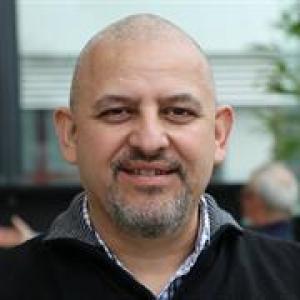
Professor Jason Paul Mika
Jason Paul Mika Ko Ranginui e tū iho nei, ko Papatūānuku e takoto nei, ko te ira tangata kei waenganui i raro i te kaitiakitanga o ngā atua, o te manaakitanga o te Runga Rawa. Tīhei mauri ora! Ko Ngāi Tūhoe, ko Ngāti Awa, ko Te Whakatōhea, ko Ngāti Kahungunu ōku iwi. Ko Jason Mika ahau. I was born in Whakatāne and raised mainly in Rotorua. In November 2024, I was fortunate join Waipapa Taumata Rau University of Auckland as a Professor of Māori Management and Associate Dean Māori in He Manga Tauhokohoko Auckland Business School. My research, teaching, writing, and practice centres on Māori and… -
 Dr Matthew Rout

Dr Matthew Rout
Matt works on indigenous socio-economic development and environmental sustainability initiatives and projects with a focus on applied outcomes through theoretical synthesis. He has a particular interest in how philosophical insights from ontology and epistemology can be used in practical ways to aid indigenous development. Indigenous and modernist ontology and epistemology Institutional economics Postcolonial psychology Settler colonisation Sustainable development
What does Māori women’s leadership in governance look like when told through their own voices? This project centres wāhine rangatira experiences and mentorship to develop a mana wāhine-led model of leadership and governance—from wāhine, for wāhine.
View projectMō ngā uri whakatipu: Women leaders paving a pathway for future generations in governance
What does Māori women’s leadership in governance look like when told through their own voices? This project centres wāhine rangatira experiences and mentorship to develop a mana wāhine-led model of leadership and governance—from wāhine, for wāhine.
Kairangahau · Researchers
-
Professor Chellie Spiller
Professor Chellie Spiller
Dr Chellie Spiller, of Matawhaiti Iwitea, Ngāti Kahungunu ki Wairoa, is Professor of Management and Leadership, and Associate Dean Māori at the University of Waikato. She was previously a senior lecturer and Associate Dean Māori and Pacific at the University of Auckland Business School. She has over 30 years of corporate experience in tourism, finance and marketing, holding senior executive positions in New Zealand and abroad, and brings this experience to her academic work and leadership and management development programmes. Her research explores how Māori and indigenous businesses create…
Tangi is the ultimate form of Māori cultural and community expression. Addressing the dearth of scholarly information, this study considers tangi practice, whakapapa, changing environments, community values, sharing knowledge, ritual and what it means to be Māori. The research team has been examining the life-values, beliefs and practices related to…
View projectAituā: Death in a changing Māori World
Kairangahau · Researchers
-
 Professor Linda Waimarie Nikora FRSNZ, HFNZPS
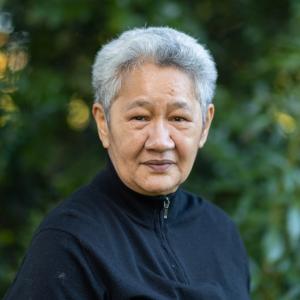
Professor Linda Waimarie Nikora FRSNZ, HFNZPS
Linda Waimarie Nikora is co-director of Ngā Pae o te Māramatanga and a Professor of Indigenous Studies at Te Wānanga o Waipapa, the University of Auckland. She was previously Professor of Psychology and Director of the Maori & Psychology Research Unit at the University of Waikato. Her specialities are in in community psychology, applied social psychology, ethnopsychology and Maori development. Professor Nikora has a celebrated research and academic career, working in community, social and indigenous psychologies, with a specific focus on Māori wellbeing and self-determination. Her research in…