About this research
Astronomy is the study of the objects in the sky (stars, planets, moons, galaxies, comets etc). Traditionally Māori held great knowledge of astronomy and their studies of the night sky played an important role in everyday life. Much of this knowledge remains recorded in te reo Māori and sits within karakia, waiata, whakataukī, and within place names. This project explores the language of Māori astronomy to understand how important it was to our ancestors. It will also help to revive the language of Māori astronomy exploring how this knowledge can be used in a modern world.
Soon after separating Ranginui and Papatūānuku, Tāne travelled into the heavens with the various celestial bodies, to suspend them in the sky bringing light into the world. Within the basket ‘Te Mangoroa’ Tāne carried the stars, from which he drew forth the brightest and placed them against the chest of Ranginui. So enthralled was Tāne at what he had achieved that he accidently knocked the basket over scattering the remaining stars across the cosmos. As the stars spilled from the basket they clattered against one and other creating a ringing sound that resonated throughout the universe. This event is captured in a line of a karakia that states “Ringihia i te ketenui ā Tāne” which can be described as the language of the stars. This research is based on 2 key aspects: (i) Māori astronomy, and (ii) te reo Māori.
In particular, the aim of this study is concerned with understanding how Māori astronomy is embedded within the linguistic record and linguistic landscape of Aotearoa, and how this knowledge can be revitalised in a modern world. Based at Waikato University and utilising a collaborative approach, this project is grounded in kaupapa Māori methodology and will be undertaken in two phases which include the following methods (i) an examination of the extant literature and (ii) kanohi ki te kanohi interviews with Māori astronomical experts.
The study of astronomy is a critical component across cultures, and has influenced the evolution of all peoples. The benefits and outcomes of such a project will support the enhancement of Māori distinctiveness through contributing to the enrichment of the mana of our knowledge and language.
Kairangahau · Researchers
 Professor Rangi Matamua
Ngāi Tūhoe
University of Waikato
Associate Professor Matamua of Tūhoe, is a senior lecturer based in the School of Māori and Pacific Development at…
Professor Rangi Matamua
Ngāi Tūhoe
University of Waikato
Associate Professor Matamua of Tūhoe, is a senior lecturer based in the School of Māori and Pacific Development at…
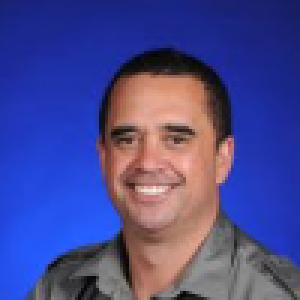
Professor Rangi Matamua
Ētahi atu · Other projects
Building on the 2013 project Ringihia i te kete – the language of the stars, this research developed a Māori astronomy database to preserve and expand mātauranga Māori about the stars. It aimed to strengthen the foundation for future Māori-led research by exploring how astronomical knowledge was embedded in language and cultural landscapes across Aotearoa.
View projectTe Poutuarongo o Te Whare Kōkōrangi
Building on the 2013 project Ringihia i te kete – the language of the stars, this research developed a Māori astronomy database to preserve and expand mātauranga Māori about the stars. It aimed to strengthen the foundation for future Māori-led research by exploring how astronomical knowledge was embedded in language and cultural landscapes across Aotearoa.
Kairangahau · Researchers
-
Professor Rangi Matamua
Professor Rangi Matamua
Associate Professor Matamua of Tūhoe, is a senior lecturer based in the School of Māori and Pacific Development at Waikato University. He has undertaken significant research in the areas of Māori language revitalisation, Māori culture, Māori astronomy and broadcasting. In his MA thesis Rangi focused on traditional Tūhoe weaponary, and his PhD examined the role of Māori radio in Māori language revitalisation. In addition, Dr Matamua has produced a number of publications in his specialist areas, and sits on a number of related boards including Society for Māori Astronomy Research and Traditions… -
 Dr Hēmi Whaanga
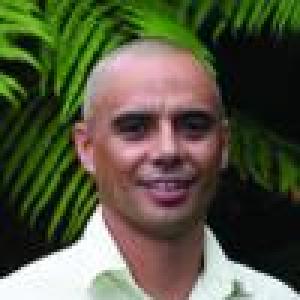
Dr Hēmi Whaanga
Dr Hēmi Whaanga is a research officer in Te Pua Wānanga ki te Ao (The School of Māori and Pacific Development) at the University of Waikato. Hēmi has been a project leader, writer and researcher in a range of linguistic, indigenous Māori knowledge and curriculum projects. He is the principal investigator on the NPM project The ethics, processes and procedures associated with the digitisation of the Pei Jones collection. He has published in the areas of indigenous Māori knowledge, traditional ecological knowledge, language revitalisation, linguistics, language teaching and curriculum…
Tui Moana Matelau (Ngapuhi, Ngatikahi ki Whangaroa), Auckland University of Technology As a lecturer who works in foundation and bridging education, I see the way that identity impacts on students’ ability to flourish in the tertiary education system. Tertiary institutions attempt to enhance the success of priority groups such as Maori and Pacific students
View projectCreative Practice and Identity: An exploration of the creative identity of Maori and Pacific female creative practitioners
Tui Moana Matelau (Ngapuhi, Ngatikahi ki Whangaroa), Auckland University of Technology
As a lecturer who works in foundation and bridging education, I see the way that identity impacts on students’ ability to flourish in the tertiary education system. Tertiary institutions attempt to enhance the success of priority groups such as Maori and Pacific students
Lynley Uerata (Ngati Mahuta, Ngati Tahinga), University of Waikato The proposed research will explore the precarious realities of eight Māori households and their culturally-patterned responses to socio-economic marginalisation. The Māori precariat are a growing social class whose lives are rendered precarious by flexible and unstable employment, unliveable…
View projectConnections and Flows: Precarious Māori Households in Austere Times
Lynley Uerata (Ngati Mahuta, Ngati Tahinga), University of Waikato
The proposed research will explore the precarious realities of eight Māori households and their culturally-patterned responses to socio-economic marginalisation.
The Māori precariat are a growing social class whose lives are rendered precarious by flexible and unstable employment, unliveable incomes, inadequate state support, low resources, stigma and marginalisation (Hodgetts & Griffin, 2015; Standing, 2014).
Literature suggests that precariat persons are becoming increasingly alienated from civic life and their rights are being eroded as they are transformed from citizens to morally and materially marginalised denizens (Hodgetts et al., 2013; 2014; Standing, 2014). Through examining factors that support and impinge upon their precarious reality and capacity for human flourishing. the research will generate a detailed profile and understanding of these people who are often judged for the precarious realities they contend with.