Pātai Mauri
-
Wānanga Rau, Taumata Rau, Pukenga Rau
Project SummaryThis project, Wānanga Rau, Taumata Rau, Pukenga Rau, aims to provide an innovative conceptual toolkit and resources for the Māori Performing Arts community in Aotearoa, New Zealand. The resources will be collated in a series of publications, including one monograph manuscript and two to three short-form thought pieces on specific aspects of… -
Ngā Pōito i te kupenga o Toi te Huatahi The Netfloats in the Ocean of Toi te Huatahi
Project SummaryThis creative-led project focuses on four sites: Poor Knights, Hen and Chicks, Little and Great Barrier Island. The islands’ isolation led to their designation as sanctuaries, a Western conservation approach that separates nature from humans. As a result the Crown took control of each site. This separation disconnected Ngātiwai from our lands… -
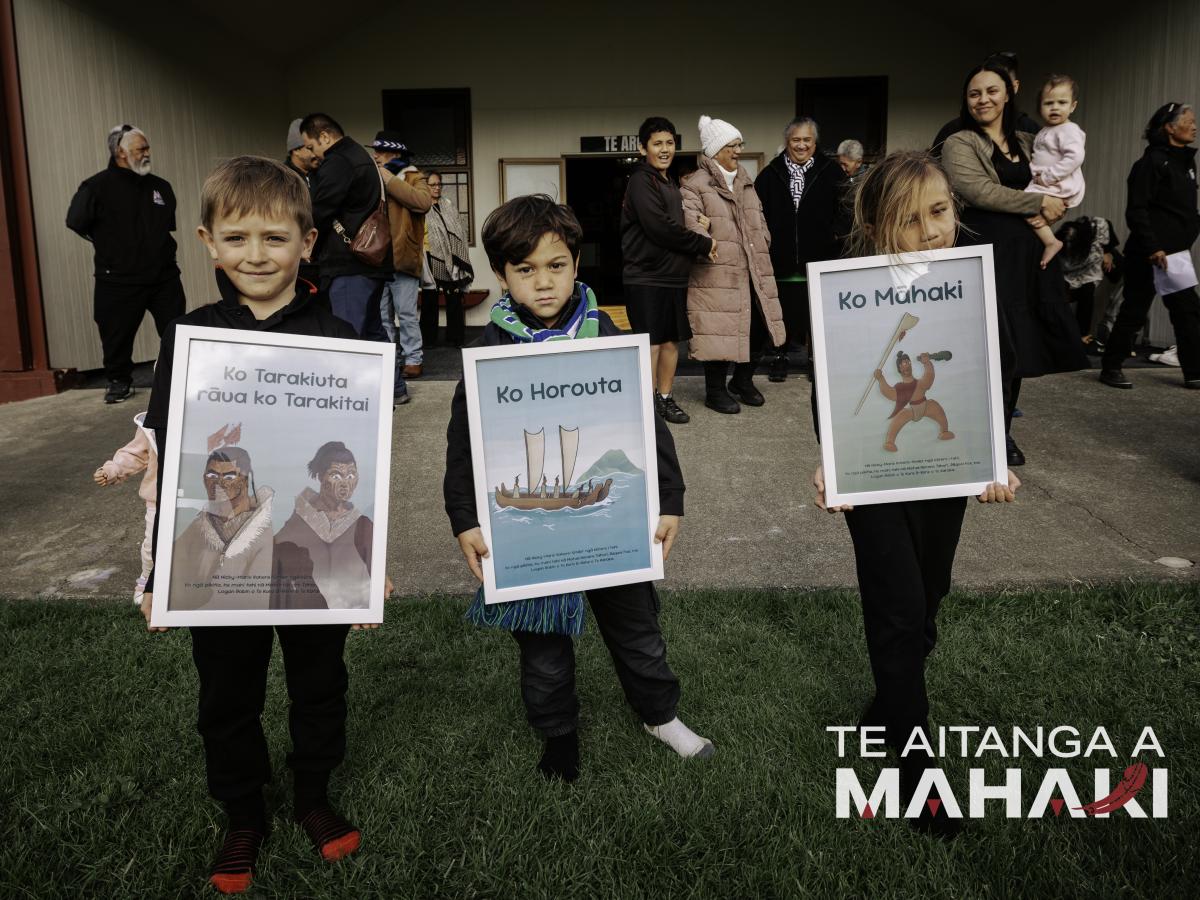
Pukapuka Hanganga Reo Matatini: Ngā Kōrero o Te Aitanga a Mahaki Iwi
Pukapuka Hanganga Reo Matatini brings treasured pūrākau of Te Aitanga a Māhaki to life through structured literacy children’s books that support neurodiverse tamariki to learn te reo Māori while connecting with their whakapapa and iwi. -
Reflecting on 50 Years of the Waitangi Tribunal
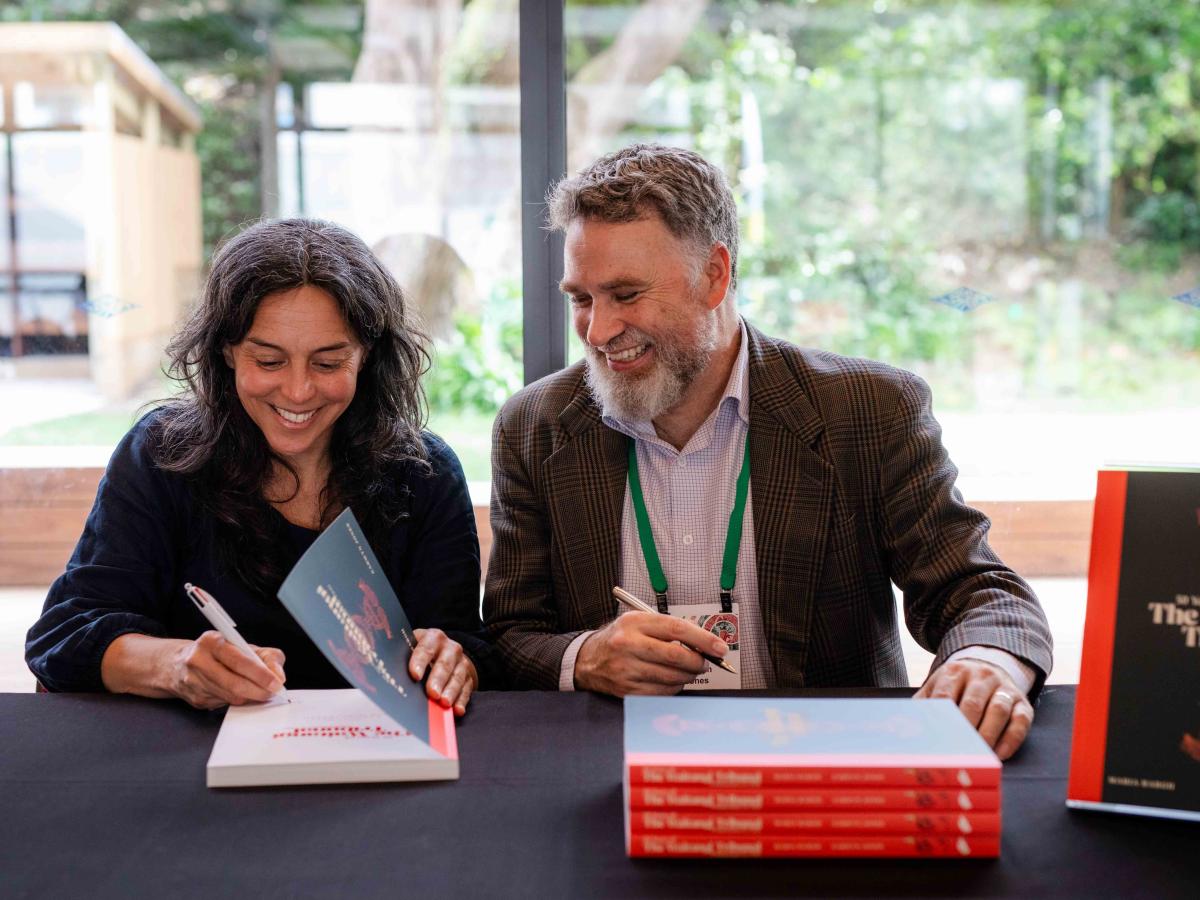
In 2025, the Waitangi Tribunal marks 50 years since its founding. This new collection, edited by Carwyn Jones and Maria Bargh, will bring together Māori scholars to reflect on the Tribunal’s impactful work across key issues like whenua, awa, taonga, and rangatiratanga. It will highlight the enduring significance of Tribunal findings for Māori communities… -
He tumu herenga waka: Māori mothers navigating the never-ending beginnings of whakapapa
Project SummaryThe project builds on a case study, “Ko te whaea te takere o te waka: Māori mothers as navigators of change,” which examined Māori mothers as key change-makers for their whānau. The study produced a zine highlighting Māori participants’ stories of reclaiming mātauranga Māori for their tamariki/mokopuna. A key finding was the connection… -
Toitū te Hakapupu: Restoration of the Pleasant River – a documentary journey
Project SummaryThis project is part of a ‘circular economy’ research project based on a Jobs for Nature’ [J4N] river restoration programme, Toitū te Hakapupu, being undertaken by Kāti Huirapa Rūnaka ki Puketeraki (Puketeraki) in East Otago. A CE aims to optimize circular material flows to reduce resource consumption and environmental impacts and is said to… -
Tairāwhiti Waka, Tairāwhiti Tāngata: Exploring Tairāwhiti Voyaging Philosophies
Project SummaryThis project translates the findings of lead researcher Dr Ngahuia Mita’s doctoral research Tairāwhiti Waka, Tairāwhiti Tāngata; Examining Tairāwhiti Voyaging Philosophies into practical printed and digital resources, to be shared with tamariki, rangatahi and whānau across Te Tairāwhiti and Aotearoa. The research is important as it provides a… -
Kauora ki te Ao
Kauora is a whānau-derived theory and practice of swimming, developed through Raureti’s doctoral research, that redefines how whānau engage in kaupapa wai. This project supports its implementation by developing a data sovereignty policy for Ngāti Kapu to guide the protection and long-term sustainability of mātauranga, reo and whānau data gathered through… -
Investigating the influence of socio-cultural-political pressures on Māori suicide: A comparison of known Māori suicides from 1840-1939 with those from 1940-2019
This project uses Kaupapa Māori theory to challenge the current dominant Western explanations for suicide, which fail to consider socio-cultural-political pressures and historical processes such as colonisation as core to Indigenous suicide. -
Mā te Taiaho Matawai kia Whakahura Ngā Korero o Nehe – Laser Beam Scanning Technologies for Unlocking Landscape Narratives
LiDAR technology offers unprecedented access to the whenua—capturing the contours of the landscape at fine detail and revealing wāhi tapu and heritage sites often lost under forest canopies or inaccessible locations. This research explores how hapū and iwi can utilise geospatial technologies like LiDAR to identify, connect-with, and enrich the management… -
Te Rangianiwaniwa a Te Harakeke – The Harakeke’s Rainbow
This research supports iwi-led, tikanga-informed innovation, grounded in Kaupapa Māori methodology. Through wānanga and co-design with Ngāti Tukorehe, the team is developing safe, solvent-free dye processes that respect tikanga and are reproducible in community settings.