Search our Resources
People, publications, projects, videos, stories, and more
Tāngata · People 466
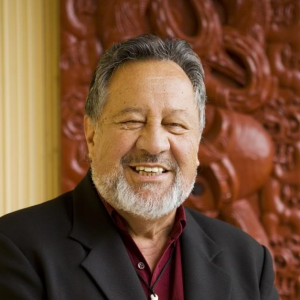
Tā Pita Sharples CBE KNZM
Tā Pita Sharples, of Ngāti Kahungunu, Ngai Te Kikiri o te Rangi and Ngāti Pahauwera, was born in Waipawa in 1941 and grew up in the small country town of Takapau in Hawkes Bay. He went to secondary school at Waipukurau District High School and Te Aute Māori Boys College, where he developed his skills in kapa haka and a passion for Māori language and culture. He went on to establish the New Zealand National School of Maori Weaponry, where he became Tumu Whakarae (Sacerdotal Head and Master), and he founded Te Roopu Manutaki Maori Cultural Group. He studied at Auckland University and trained as…
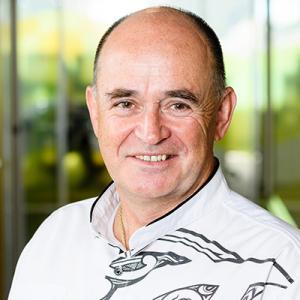
Professor Te Taka Keegan
Nō Waikato-Maniapoto, nō Ngāti Porou, nō Ngāti Whakaue hoki.Kei Ngāhinapōuri e noho ana, kei te pūtake o te maunga o Pirongia.Kua roa ia e mahi ana ki te Whare Wānanga o Waikato, me tana aro ki te whai huarahi mō te reo rangatira ki te ao hangarau.Te Taka received a Diploma in Computer Engineering from CIT (Wellington) in 1987. He spent six years working as a hardware engineer for Datacom and Digital before returning to the Waikato and Waikato University. He received a BA through the Te Tohu Paetahi stream (Māori immersion) and in 1996 was awarded an MA having completed a thesis on…
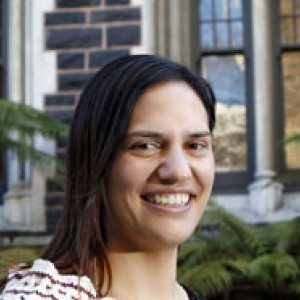
Professor Karyn Paringatai
Karyn Paringatai (Ngāti Porou) is a lecturer in Te Tumu – School of Māori, Pacific and Indigenous Studies at the University of Otago, where she obtained her BA (Hons), MA and PhD degrees. Her teaching and research interests are in a number of areas that intersect at various points that include: Sociological issues surrounding Māori urbanisation and Māori identity development and maintenance; Māori performing arts, particularly poi, the analysis of haka and waiata compositions and the role kapa haka plays in identity; Grammatical aspects of the Māori language and second language acquisition…
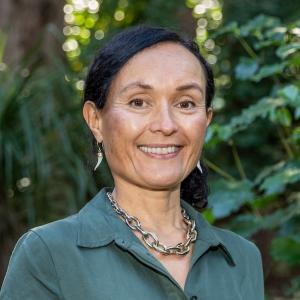
Professor Tahu Kukutai FRSNZ
Ngā Pae o te Māramatanga Co-Director Tahu Kukutai is Professor of Demography at Te Ngira: Institute for Population Research, The University of Waikato where she specialises in Māori and Indigenous demography and data sovereignty. Tahu is a founding member of the Māori Data Sovereignty Network Te Mana Raraunga and the Global Indigenous Data Alliance. She co-edited Indigenous data sovereignty: Toward an agenda (ANU Press, 2016), Indigenous data sovereignty and policy (Routledge, 2020) and The Oxford Handbook of Indigenous Sociology (Oxford) . Tahu has undertaken research with and for numerous…
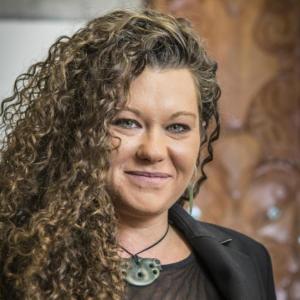
Sacha McMeeking
Sacha brings a serial entrepreneur’s approach to working with and for Iwi Māori. From instigating United Nations proceedings to architecting a Māori social enterprise fund and leading commercial negotiations, she is known for solution-building that meets Iwi Māori aspirations. Before coming to UC, Sacha was the director of a boutique consultancy working with Iwi Māori in strategy development, kaupapa Māori asset management and innovation and the General Manager Strategy and influence with Te Rūnanga o Ngāi Tahu, responsible for government relations on behalf of the Iwi. Recognised as an…
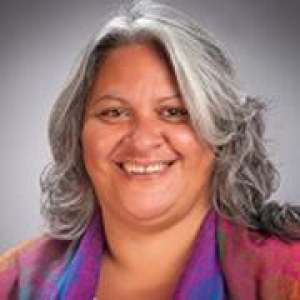
Dr Lynne Russell
Dr Lynne Russell works as a Senior Research Fellow - Maori Health with the Health Services Research Centre (HSRC) at Victoria University of Wellington. Much of her professional and academic work has centred around the Indigenous knowledge and healing practices used in recovery from trauma associated with mental distress, suicide loss and self-harm. She describes herself as an writer, activist and public speaker stirred by cultural resilience, social justice, Indigenous and LGBTI rights, and the amplification of voices more readily silenced in society.
Dr Keri-Anne Wikitera
Dr Keri Wikitera is a Senior Lecturer in the School of Hospitality and Tourism. Her Māori tribal affiliation is Tūhourangi, Ngāti Whakaue of Te Arawa. Keri's personal and academic interests are specifically positioned within promoting and enhancing indigenous tourism development, intercultural exchange, Māori cultural identity, Māori economic development and management studies.
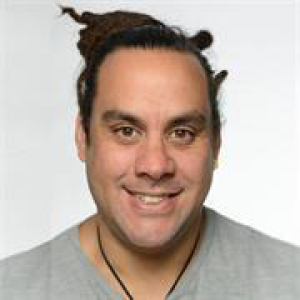
David Hakaraia
David Hakaraia is the Programme Cluster Leader for the Communication Design, Design for Social Innovation, and Fashion disciplines at Te Herenga Waka Victoria University.
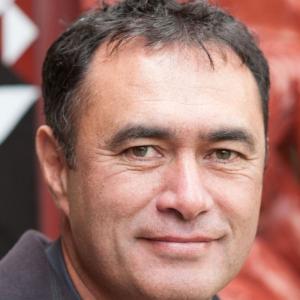
Dr Mike Ross
Mike is a lecturer at Te Kawa a Māui, where he teaches courses on Māori language and customs.
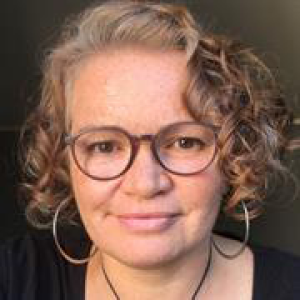
Dr Tina Makereti
Tina Makereti (Te Ātiawa, Ngāti Tūwharetoa, Ngāti Rangatahi-Matakore, Pākehā) writes fiction and creative nonfiction that considers questions around cultural identity, history, prejudice and coloniality in Aotearoa. She has a strong interest in writing that explores unknowability and the uncanny. She is the author of a short story collection and three novels, most recently The Mires (Ultimo Press 2024), published in the UK (Footnote Press) and US (HarperVia) in 2025 and shortlisted for the Ockham NZ Book Awards Jann Medlicott Acorn Prize for Fiction 2025. Her essay collection, This Compulsion…
Dr Pania Te Maro
Ko Hikurangi te Maunga, Ko Waiapu te Awa, Ko Ngāti Porou te Iwi, Ko te Whānau a Pōkai te Hapū, Ko Te Kapa o Hinekōpeka te Tūrangawaewae, Ko Pōkai te Marae, Ko Pōhatu te Wharekai. Tēnā koutou, tēnā koutou, tēnā rā tātou katoa. My main accomplishments to-date are my five children and (so far) eight mokopuna. I am a senior lecturer/researcher in education with a main focus on mathematics education in relation to kaupapa and mātauranga Māori in kura. My teaching career began in 1992 in a bilingual class, and carried on to teaching in rūmaki units, kōhanga reo, kura and wharekura. My tertiary…
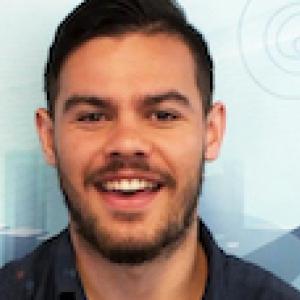
Danny Poa
Nō ngā iwi o Ngāi Tūhoe, Ngāti Kahungunu, Ngāti Porou me Ngāpuhi ia.Danny Poa has strong interests in the social issues that affect whānau including criminal justice, child welfare and whānau ora. Danny is draw to tautoko organisations that are of service to others and are connected to his values.Principal Advisor, Survivor Voice and Insights Crown Response Unit - Abuse in Care (2023 - Present)Senior Advisor, Te Tiriti Engagement Abuse in Care Royal Commission of Inquiry (2022 - 2023)Kaitiaki Kaupapa/Relationship and Engagement Manager Coastal Peoples Southern Skies National Centre of…
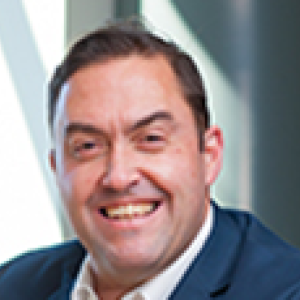
Professor Jarrod Haar
Professor Jarrod Haar (PhD) is a Professor of Human Resource Management in the Department of Management and has tribal affiliations of Ngati Maniapoto and Ngati Mahuta. In 2018, Professor Haar was appointed as a Member of the Marsden Fund Council and is the Convenor of the Marsden Economics and Human Behavioural Sciences panel. He is a Fellow of the Royal Society of New Zealand Te Apārangi (2020), a Research Fellow of the Australia & New Zealand Academy of Management (since 2012), and Chartered Fellow of the Human Resource Institute of New Zealand (HRINZ). He won the inaugural HRINZ HR…
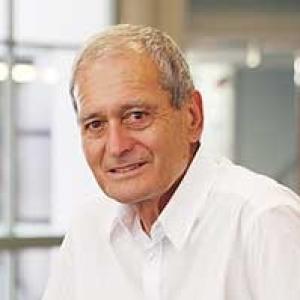
Tā Mason Durie ONZ KNZM
Emeritus Professor Sir Mason Durie KNZM, FNZAH, FRSNZ is one of New Zealand’s most respected academics, and was knighted in 2010 for services to public and Māori health. For over 40 years, Sir Mason has been at the forefront of a transformational approach to Māori health, including chairing the Taskforce on Whānau-Centred Initiatives that produced the Whānau Ora report for the Government in 2010. He is a past Deputy Vice-Chancellor of Massey University. Sir Mason previously served as NPM’s International Research Advisory Panel Chair and has been a valued past Principal Investigator leading…
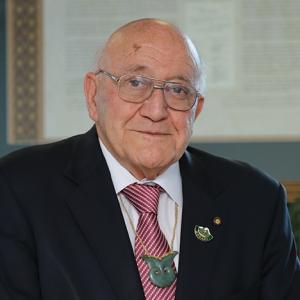
Tā Tīpene O'Regan Kt
Tā Tīpene O’Regan was NPM's longest serving Board Chair before his retirement at the end of 2018, guiding the centre through 12 years of its operations. He is best known more widely for his role as Chairman of the Ngaitahu Maori Trust Board leading the Ngāi Tahu Claim process before the Waitangi Tribunal culminating in the Ngāi Tahu Settlement. He served on the board for 22 years, and was chair for thirteen of those years. As the chief negotiator, Te Kerēme (the Ngāi Tahu Claim) was his main kaupapa. He was a major architect and negotiator of the Treaty of Waitangi fisheries settlements of…
Dr Simon Hills
The overarching theme of my research is understanding the composition, distribution and evolutionary history of New Zealand’s unique ecosystems. My primary focus is the rich, and largely endemic, marine mollusc fauna. However, I apply my broadly ranging expertise in genomics, ecology and evolutionary biology, to a diverse range of research topics involving New Zealand’s biodiversity, both native and exotic. As a Māori scientist, I am increasingly focused on research collaborations with iwi/hapu. These projects generally involve working with Māori communities to build capacity and generate…
Dr Matthew Roskruge
Matthew Roskruge (Te Atiawa, Ngāti Tama) is codirector of Te Au Rangahau and a Senior Lecturer in the School of Economics and Finance. He has an academic background in health and population economics, and researchers broadly as an applied economist and social scientist. His current research projects include: Māori economics & mixed-methods Social capital and wellbeing research Effective health systems and service delivery; Health Economics Population, labour and regional economics
Dr Natasha Tassell-Matamua
Natasha Tassell-Matamua is a senior lecturer in the School of Psychology at Massey University, where she teaches in the area of cultural psychology. Her research platform encompasses two primary threads: Indigenous Psychology with a focus on mātauranga Māori as it relates to: ethics, spirituality, well-being, and the environment - and also Exceptional Human Experiences with a particualr focus on near-death experiences [NDEs].
Dr Jordan Waiti
Jordan started as a lecturer within Te Hautaki Waiora Faculty of Health, Sport and Human Performance at the University of Waikato in early 2018. Previously, he was a Māori Health Consultant based out of Whaingaroa/Raglan. He completed his PhD at Massey University, which focussed on Māori notions of ‘Resilience’ and how they are utilised by whānau who had experienced adversity. He has Honours and Masters degrees from Otago University, with research expertise that is broadly based in the area of Māori Health. He has also been a volunteer facilitator for the Te Taitimu Youth Trust in Hawkes Bay.
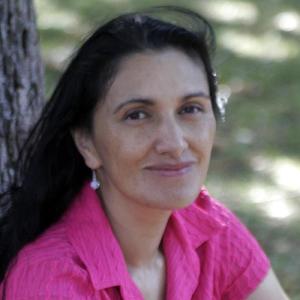
Dr Adreanne Ormond
Ko Rongomaiwāhine, Ngati Kahungunu me Ngati Tuwharetoa oku iwi, e tipu ake ahau ki MāhiaAdreanne Ormond's Māori nations are Rongomaiwāhine, Ngati Kahungunu and Ngati Tuwharetoa and she is raised on her ancestral homeland of Māhia peninsula. Her research includes Māori young people, race and culture, cultural identity and critical white studies.Adreanna is a Senior Lecturer in Te Kura Māori in the Faculty of Education. Her research interests include youth, education, and health as well as Māori development with a specific interest in Indigenous – ethnic minority youth and how existent issues…
Dr Arama Rata
Arama Rata is of Ngāti Maniapoto, Taranaki, and Ngāruahine descent. She completed her PhD in Psychology at Victoria University of Wellington in 2012, which focused on Māori cultural engagement, identity, and psychological well-being in State secondary schools. Arama then lectured at Te Kawa a Māui (the School of Māori Studies), where she received a Research Establishment Grant to study Māori collective remembering of the New Zealand Wars. Dr Rata is currently involved with research relating to Māori health experiences, Māori in rural communities, as well as iwi consultancy.
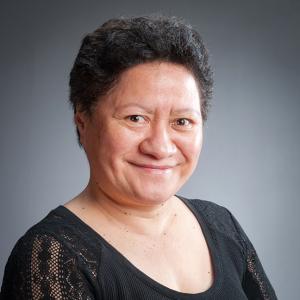
Dr Tia Neha
Tia is a lecturer at the school of psychology, Victoria University of Wellington. Her research interests include four key areas, broadly linked and overarched by relationships within Māori and Indigenous Developmental Psychology. These areas include: Indigenous and developmental psychology in the interdependent relations between whānau and their children’s learning Autobiographical memory with whanau Language research Māori pediatric health
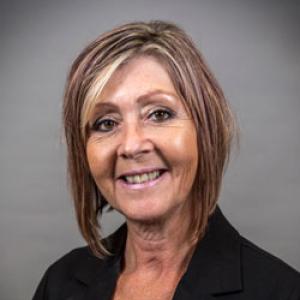
Associate Professor Sonja Macfarlane
Sonja Macfarland (Ngāti Waewae, Ngāi Tahu) interest’s focus on the importance of culturally responsive, evidence-based approaches in education, psychology, counselling, health and human development in order to enhance the social, cultural, educational and health outcomes that are achieved by Māori.The importance of exploring 'what works well' for Māori as a pathway to responding to disparity and unlocking potential guides most of her research endeavours. She argues that many of the solutions for reducing such disparities actually reside in 'te ao Māori' (the Māori world, which includes Māori…