Pae Ahurei
-
Cultivating Science Possible Selves: Culturally Responsive Strategies for Māori Student Success in STEM Education
Maren Tahata (Ngāti Maniapoto, Waikato-Tainui), The University of Auckland Māori students remain underrepresented in STEM fields in Aotearoa-not due to lack of ability or interest, but because the education system often fails to reflect Māori identities, values, and ways of knowing. This research explores how culturally responsive science teaching can… -

Te Waharoa Hīnātore.
Awardee: Dan Hikuroa (Tainui, Ngati Maniapoto, Te Arawa), University of Auckland The Awardee will undertake the Whakaaweawe Impact and Transformation Grant titled Te Waharoa Hīnātore. Light has always carried meaning. Hīnātore, the soft glow found against Ranginui’s chest, in te moana whitiwhiti a Tangaroa, and sheltered within te wao nui a Tane, connects… -
Nga Taonga Tuku Iho
Awardee: Dr Reuben Collier (Ngāti Porou, Rereahu-Maniapoto), Te Whare Wānanga o Awanuiārangi The Awardee will undertake the Whakaaweawe Impact and Transformation Grant titled Nga Taonga Tuku Iho. He Rau Aroha: This book pays tribute to specific soldiers of the 28th Maori Battalion who gave their lives during the Battle of Cassino where they were killed in… -
Reframing Fidgeting Through a Māori Lens: Exploring ADHD, Brain Activity, and the Cultural Significance of Movement
Awardee: Uenukuterangihoka Jefferies (Ngāti Raukawa, Te Whānau-a-Apanui, Ngāti Awa, Te Whakatōhea), University of Auckland This kaupapa Māori-informed study explores how fidgeting—small, repetitive movements often seen in people with wairangi ā-aronga (ADHD)—might be linked to patterns of brain activity and thinking. The research focuses on rangatahi and… -
Tahatū-o-te-rangi: a study of the experiences and contributions of MAI Te Kupenga PhD scholars
Māori doctoral scholars often face significant challenges in universities dominated by Western academic traditions. These environments can clash with Māori cultural values and needs, reflecting colonial legacies that marginalise Indigenous knowledge and methodologies. To address these challenges, the Te Kupenga o MAI (MAI) programme was created in the late… -
Te rere o te Pīwakawaka: Modelling a maramataka-guided, strengths-based, lived-experience ADHD framework through Kaupapa Māori creative practice
This project focussed on expanding the conceptual lens of ADHD, focusing on traditional Māori narratives such as pūrākau and whakataukī to understand the Māori experience of ADHD and create an accommodating framework. -
Ko te hua o te rengarenga: he maumaharatanga - Supporting the archiving and analysis of Māori women’s leadership histories
This internship involved supporting the work of Te Rōpū Wāhine Māori Toko i te Ora - the Māori Women’s Welfare League through research, transcription, and thematic analysis of interviews with wāhine Māori. -
Examining tino rangatiratanga in post-Treaty settlement Aotearoa through the Matike Mai Reports
This project examined claims that the Waitangi Tribunal has exceeded its original mandate by engaging with contemporary issues. By analysing Tribunal reports across its full history, the research focused on how the Tribunal has operated in practice over time. -
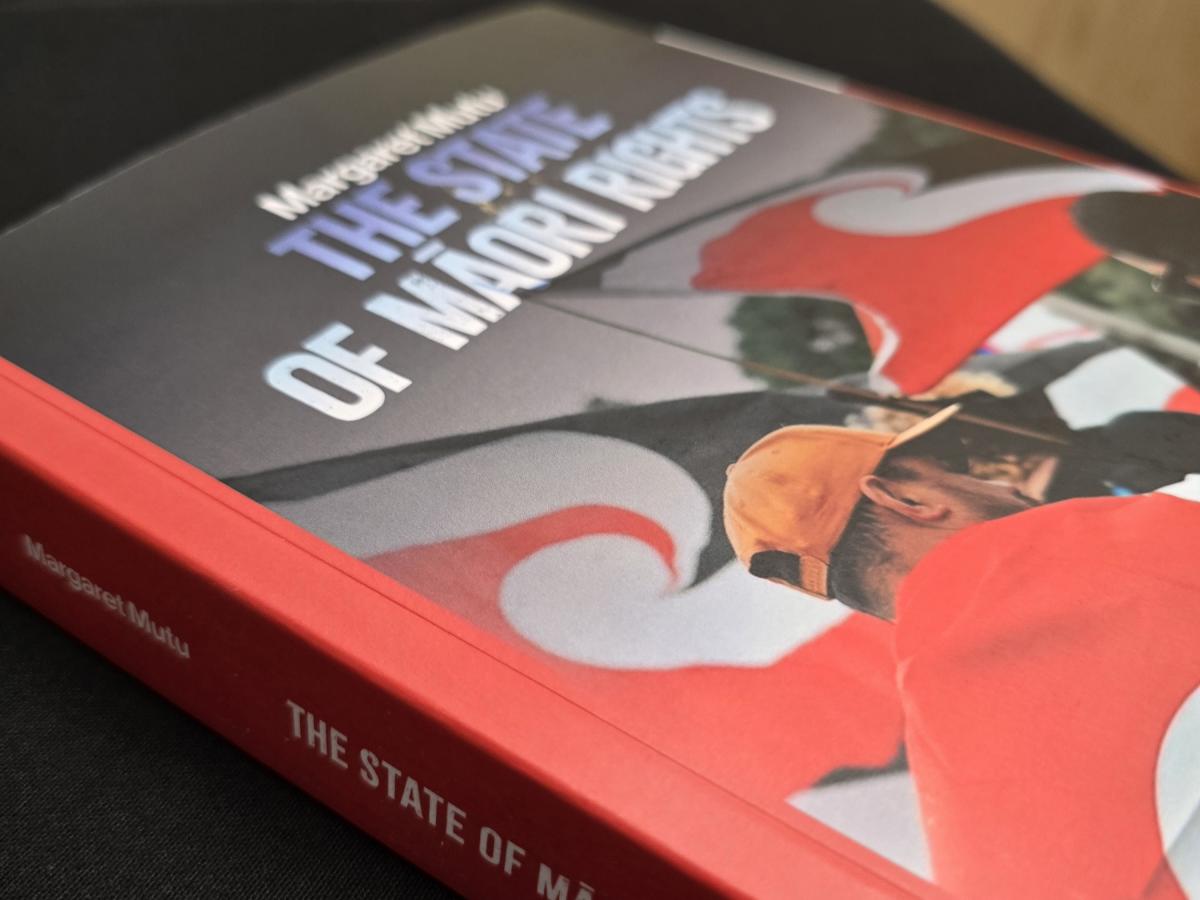
The State of Māori Rights, 2nd Edition
The second edition of The State of Māori Rights gathers Māori perspectives on key events and issues that have shaped our lives over the past thirty years. Scheduled for publication in 2025, it is a major revision and update of the 2011 first edition, which continues to be widely used in university courses.The book draws on kōrero from hui Māori held around… -
Providing the voice for kanakana –assisting with storytelling and being part of the restoration journey for this taonga species
This internship is about the kanakana/piharau/pouched lamprey, a struggling fish species in New Zealand due to decline in river water quality, industrialisation, and river alteration. -
A REVIEW OF THE CURRENT LEGAL STATE AND GOVERNANCE OF THE HAKA KA MATE
This project explored the intersection of te ao Māori and intellectual property law through a case study on the haka Ka Mate and the rights of Ngāti Toa Rangatira. It critically examined the Haka Ka Mate Attribution Act 2014, questioning its effectiveness in protecting Ngāti Toa’s interests within current legal frameworks.