Search our Resources
People, publications, projects, videos, stories, and more
Kaupapa · Projects 551
Awardee: Mona-Lisa Wareka (Ngātiwai, Ngāti Rereahu), University of Waikato This research aims towards facilitating transformative change by investigating the impacts and experiences Māori face under current cannabis laws, while examining opinions surrounding potential decriminalisation. This project is significant as it is the first of its kind in Aotearoa…
Anthropomorphising Whakairo: Creating Living Realities through Augmenting Carvings
Awardee: Hamiora Te Momo (Ngāti Porou (Ngāti Konohi), Ngāti Raukawa (Ngāti Whakatere), University of Waikato This doctorial study in computer science explores the design and development of a culturally grounded mobile augmented reality (MAR) system where carvings on the marae can see, recognise, and respond to users through tikanga-led interaction. Using…
Tahatū-o-te-rangi: a study of the experiences and contributions of MAI Te Kupenga PhD scholars
Māori doctoral scholars often face significant challenges in universities dominated by Western academic traditions. These environments can clash with Māori cultural values and needs, reflecting colonial legacies that marginalise Indigenous knowledge and methodologies. To address these challenges, the Te Kupenga o MAI (MAI) programme was created in the late…
Kia tōnui te reo Māori – Prosperous whānau, prosperous reo Māori
Kia tōnui te reo Māori: Prosperous whānau, prosperous reo Māori, examines the conditions that support the growth, use, and intergenerational transmission of te reo Māori across whānau and communities in Aotearoa. The project focuses on four interconnected areas: te reo o te kāinga-Māori language use in the home, the role of social and community…
Activating Māori Research Data Sovereignty in universities
Universities in Aotearoa hold a vast, largely unmapped, collection of Māori data. With that, these institutions are in positions of power to control the ways in which Māori data is collected, stored, accessed and used, often without meaningful involvement from Māori communities. Organised across three objectives, this project explores how Māori data…
Ngā whenu haumaru hei raranga: Social Wellbeing
Since the arrival of visitors to Aotearoa, Māori have always been quick to assess and adapt language, technology and information. Contemporary society brings new languages, technology and information instantly to our fingertips. New pressures and demands can be a consequence of readily accessible knowledge. For all its advances, there are also…
Te kāhui kūaka: he tupuna, he taonga, he tohu
Project lead: Dr Vincent van Uitregt (Ngaa Rauru, Te Ātihaunui a Pāpārangi, Tūhoe), Victoria University of Wellington | Te Herenga Waka Climate change related research is preoccupied with the impacts on human life and futures. The immanent impacts on our non-human relations are relegated to ecological or conservation research Our uri-based research group…
He Mahinga-Ora ki te Tairāwhiti: 'Ki te whai-ao, ki te ao-mārama'
Project lead: Dr Mahonri Owen (Ngāpuhi, Ngāti Tūwharetoa), The University of Waikato | Te Whare Wānanga o Waikato Additive manufacturing technology (3D printing) can be used to accelerate the design/development process, reduce material waste, minimise cost and create personalised solutions for challenges faced in industry. 3D printing is often used in…
He oranga whānau: mahi ngātahi whānau livelihoods within the context of work and Māori economies of wellbeing
This internship developed a visual identity for Te Ahunga atu ki ngā Ōanga Oranga Māori: Towards Māori Wellbeing Economies, bringing Māori wellbeing economies to life through design. The work supports whānau aspirations by communicating key research in ways grounded in Te Ao Māori.
Māori whānau mental health and addiction journeys
This internship contributed to a larger postdoctoral research fellowship project: a kaupapa Māori analysis of Māori experiences of cannabis and methamphetamine use.
ADHD in Australasia and the Pacific: A comprehensive literature review
This internship project, aimed to compile an extensive literature review on Attention Deficit Hyperactivity Disorder (ADHD) with a focus on the Australasian and Pacific regions.
Whakamana: Empowering Well-being for Rangatahi Takatāpui – Weaving a Whāriki for Mana-Enhancing Engagement
This project aimed to redress the lack of culturally safe, gender-affirming, and inclusive support services available for rangatahi takatāpui and their whānau within the Te Ranga Tupua rohe.
Decolonising child protection in Aotearoa: What can be learned from First Nations internationally?
This internship focused on global efforts by First Nations and Indigenous peoples to decolonise and re-indigenise child protection systems.
Effects of historical trauma for Māori through their experiences of state welfare
This internship contributed to a broader research project exploring how experiences of state welfare have contributed to historical trauma for Māori.
The Trajectory of Tangonge
Tangonge is a hugely significant taonga, historically referred to as the Kaitaia Lintel or Kaitaia Carving. It is now understood to have been a waharoa (gateway) and is considered the earliest surviving Māori carving in the world — a source of great mana and identity for the iwi of Te Hiku o te Ika.
Kaitiaki pā harakeke for socio-environmental wellbeing
This internship project employed a tikanga-based and marae-based regenerative environmental approach, emphasising the reciprocal relationship between people and te taiao.
Scoping the mental health impacts of climate change on food sovereignty in Indigenous Peoples
This internship aimed to address the critical shortage of literature in this field by providing insight into the ways climate change has impacted the mental health of Indigenous Peoples.
Imagining honourable kawanatanga: Insights from Waitangi Tribunal reports
This project served as an introduction to the ongoing study Honourable Kāwanatanga: A Prerequisite for Constitutional Transformation. The overall study was designed to answer the following key questions: 1. What is honourable kāwanatanga? 2. How can third sector (and other) organisations strengthen and deepen their engagement with Te Tiriti?
Indigenous Visual Jurisprudence – developing a definition
The interns contributed to a research project exploring a new area of law, visual jurisprudence, which is a legal theory that considers how visual legal information affects people's perceptions of the law and its impact on them and their communities. The research focused on the aesthetic and moral implications of Indigenous peoples' visualisation of their…
Ko wai tō ingoa? Healing from language trauma by renaming and reclaiming ourselves using te reo Māori
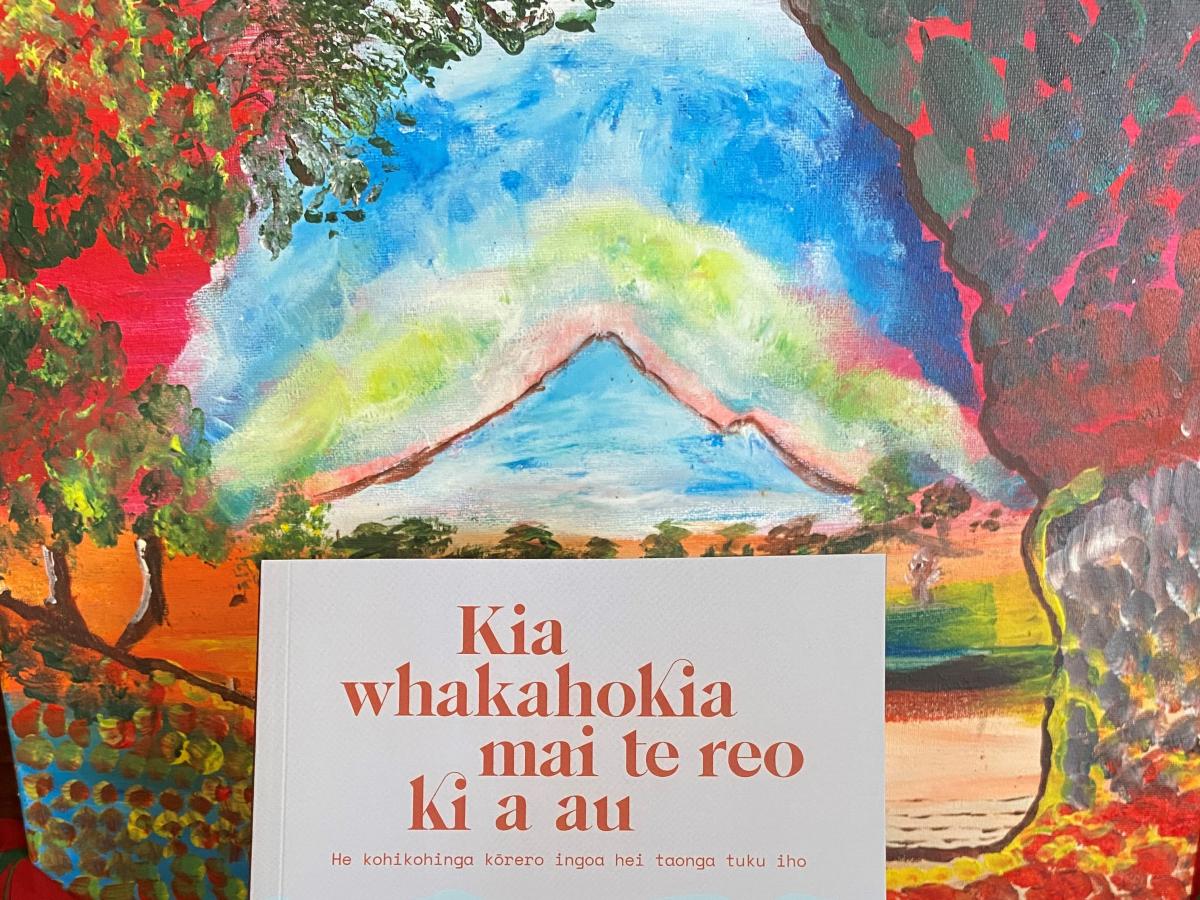
This te reo Māori publication shares powerful naming narratives from reo champions who reclaim Māori names as part of their language journeys. Through these stories written entirely in te reo it celebrates identity, resistance, and reo revitalisation, and includes teaching resources for kura kaupapa and wharekura.
Wānanga Rau, Taumata Rau, Pukenga Rau
Project SummaryThis project, Wānanga Rau, Taumata Rau, Pukenga Rau, aims to provide an innovative conceptual toolkit and resources for the Māori Performing Arts community in Aotearoa, New Zealand. The resources will be collated in a series of publications, including one monograph manuscript and two to three short-form thought pieces on specific aspects of…
Ngā Pōito i te kupenga o Toi te Huatahi The Netfloats in the Ocean of Toi te Huatahi
Project SummaryThis creative-led project focuses on four sites: Poor Knights, Hen and Chicks, Little and Great Barrier Island. The islands’ isolation led to their designation as sanctuaries, a Western conservation approach that separates nature from humans. As a result the Crown took control of each site. This separation disconnected Ngātiwai from our lands…
Pukapuka Hanganga Reo Matatini: Ngā Kōrero o Te Aitanga a Mahaki Iwi
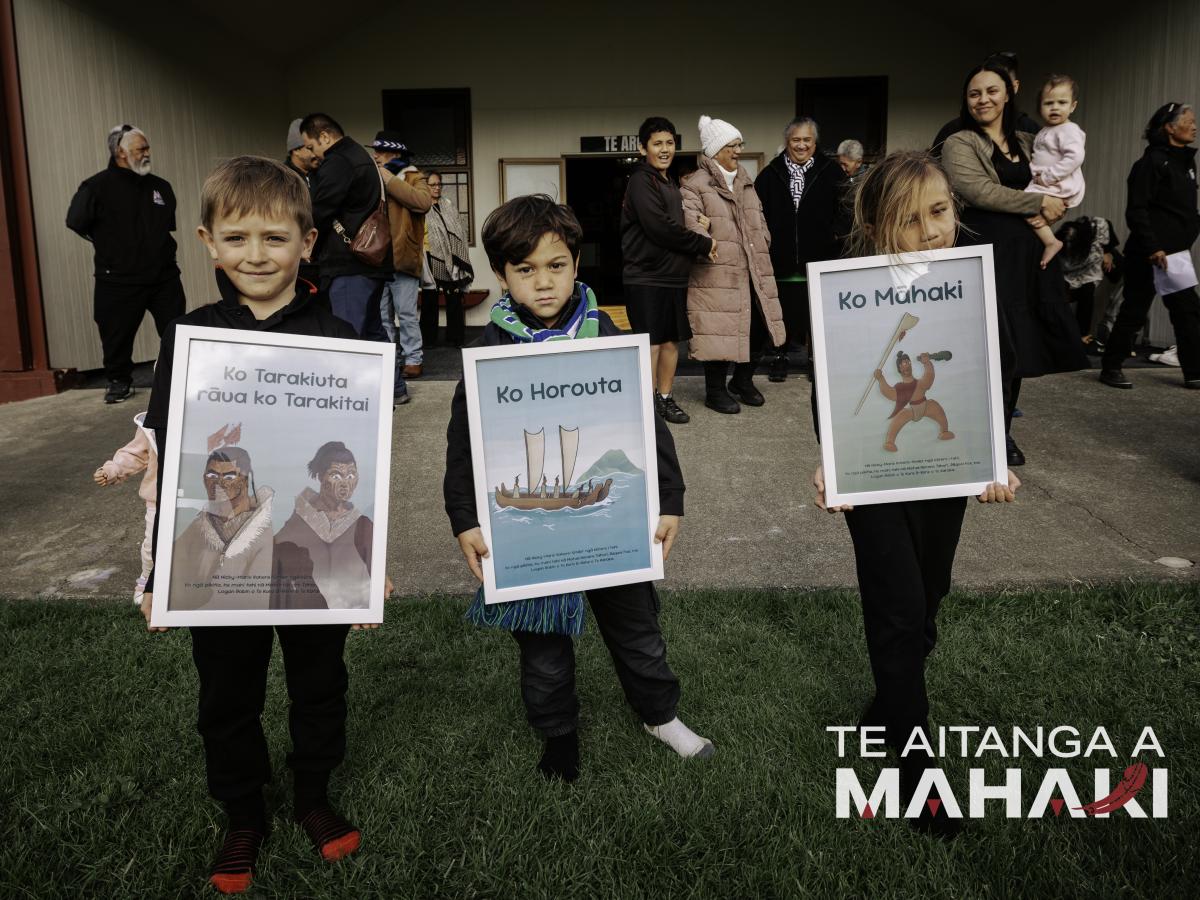
Pukapuka Hanganga Reo Matatini brings treasured pūrākau of Te Aitanga a Māhaki to life through structured literacy children’s books that support neurodiverse tamariki to learn te reo Māori while connecting with their whakapapa and iwi.
Reflecting on 50 Years of the Waitangi Tribunal
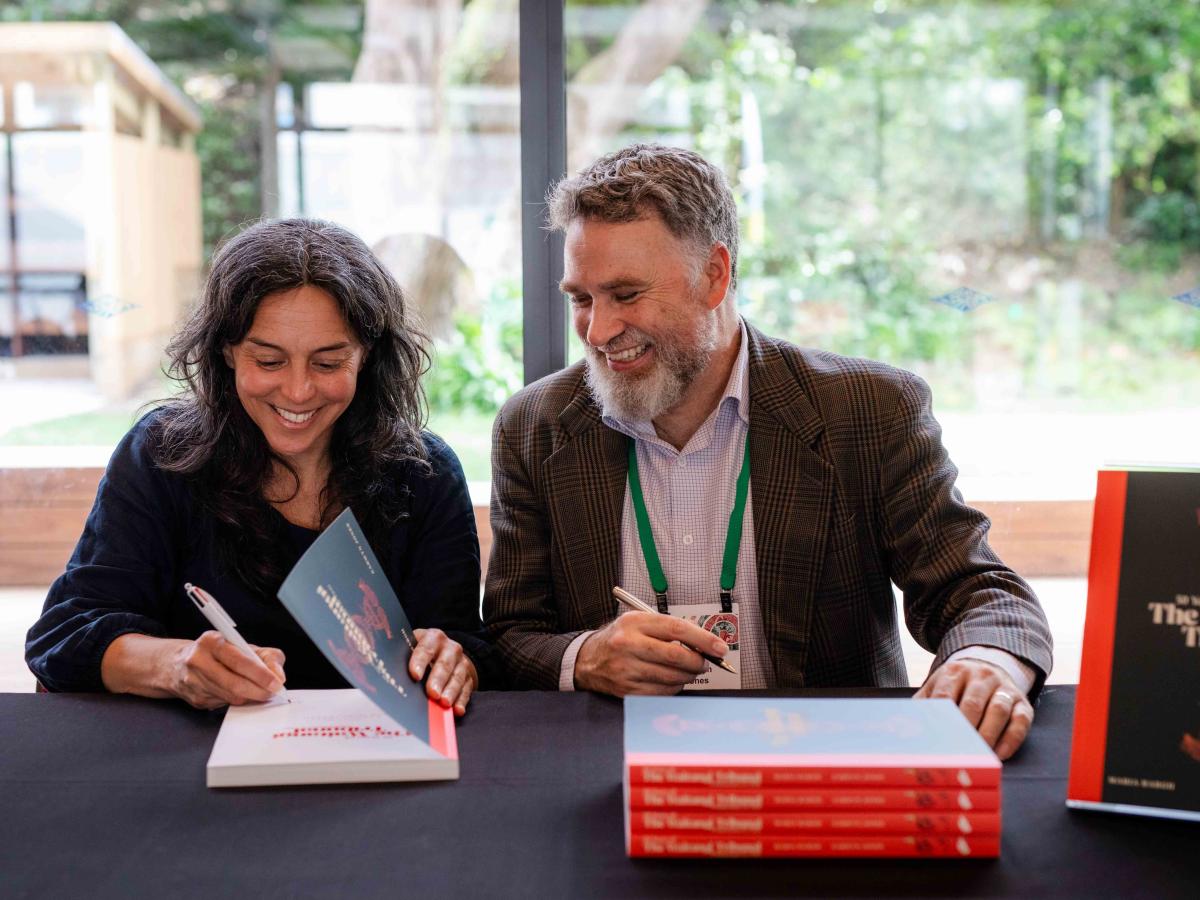
In 2025, the Waitangi Tribunal marks 50 years since its founding. This new collection, edited by Carwyn Jones and Maria Bargh, will bring together Māori scholars to reflect on the Tribunal’s impactful work across key issues like whenua, awa, taonga, and rangatiratanga. It will highlight the enduring significance of Tribunal findings for Māori communities…